My most productive raised beds have never been the tallest ones. They have been the beds with enough loose, fertile soil for the crops growing inside them.
So, how deep should soil be in a raised garden bed? I recommend 12 to 18 inches for a versatile vegetable bed. A depth of 6 to 8 inches can support leafy greens and other shallow-rooted crops. Tomatoes, potatoes, squash, and larger plants perform better with 18 to 24 inches of usable root space.
The correct measurement also depends on what lies beneath the bed. Open ground can extend the root zone. Concrete, compacted gravel, or contaminated soil cannot.
The Best Raised Bed Soil Depth
For a mixed vegetable garden, 12 inches is a practical minimum. It accommodates many annual vegetables without making the bed unnecessarily expensive to fill. I prefer 15 to 18 inches when growing several crop types in the same space.
Oregon State University Extension reports that approximately eight inches of prepared soil and organic material can provide adequate rooting space for many vegetables. Penn State Extension notes that most vegetables require at least six inches of soil. However, these figures represent workable minimums rather than the best depth for every crop.
Deeper soil offers a larger reservoir for water and nutrients. It also gives roots more room during hot, dry weather. However, extra depth cannot compensate for compacted soil or blocked drainage.
Soil Depth Requirements by Plant Type
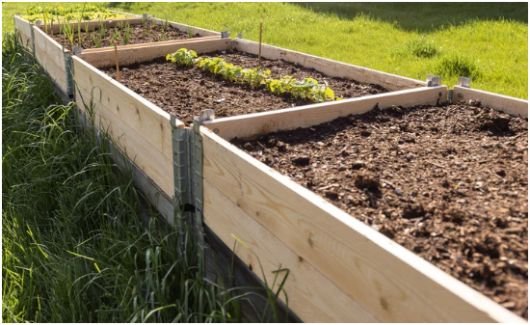
The answer to how deep should soil be in a raised garden bed becomes clearer when I group crops by their rooting habits. These measurements describe usable, loose soil rather than the total height of the bed’s frame.
Shallow-Rooted Crops
Provide 6 to 8 inches for lettuce, spinach, arugula, basil, radishes, green onions, and strawberries. These plants concentrate much of their growth near the surface.
Long radish varieties need more room than round types. The University of Minnesota recommends loosening soil at least six inches for standard radishes and up to one foot for long varieties.
Shallow beds dry quickly during summer. I add surface mulch and check moisture beneath the top layer rather than judging the bed by appearance alone.
Medium-Rooted Vegetables
Use 12 to 15 inches for beans, peppers, cucumbers, onions, beets, bush peas, and many carrots. This range gives roots space while keeping soil costs manageable.
Carrots need loose soil for their entire expected length. A 10-inch carrot planted in eight inches of soft soil may fork when it reaches compacted ground.
For a flexible family garden, I consider 12 inches the starting point. It supports crop rotation better than a six-inch bed designed around one season of greens.
Deep-Rooted Crops
Allow 18 to 24 inches for tomatoes, potatoes, pumpkins, squash, large eggplants, and perennial fruiting plants. These crops can survive in shallower beds, but a larger root zone improves stability and moisture access.
A bed does not always need 24 inches of imported soil. When it sits over healthy, loosened ground, roots can continue below the frame. A bottomless 12-inch bed may therefore offer more usable depth than an 18-inch bed sitting on concrete.
How the Surface Under the Bed Changes Depth
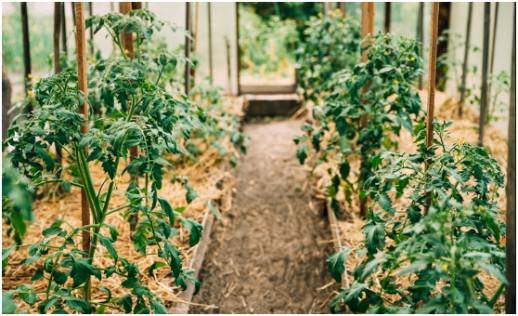
Before deciding how deep should soil be in a raised garden bed, I inspect the base. The surface below the frame determines whether roots can continue downward and whether excess water can escape.
Raised Beds Over Open Ground
Eight to 12 inches may be sufficient over healthy native soil. Remove turf, loosen the ground with a garden fork, and break any compacted layer before filling the frame.
Do not place an impermeable sheet beneath the bed. Plain cardboard can suppress grass temporarily, but thick plastic blocks drainage and root movement.
Test existing soil when contamination is possible. Raised beds are often used where native soil is unsuitable, but shallow beds do not isolate crops if roots can enter contaminated ground. USDA resources recognize raised beds as a solution for sites with limited or unsuitable topsoil.
Raised Beds Over Concrete
Use at least 12 inches over concrete for greens and compact crops. Choose 18 to 24 inches for tomatoes, squash, and other larger vegetables.
Since roots cannot travel below the frame, every inch of their growing space must sit inside it. The container also needs unrestricted drainage. Elevate the frame slightly or provide multiple drainage outlets near its base.
Avoid placing shallow beds in low spots on a patio. Escaping water must have somewhere to travel without pooling around the frame.
Calculate Usable Root Depth Before Filling
My “usable root zone” calculation prevents a common planning error. I subtract the settling allowance and mulch layer from the frame height before choosing crops.
Consider a bed with 12-inch sides. Fresh soil may settle by about 1 to 2 inches. A 2-inch mulch layer leaves only 8 to 9 inches of active soil unless I refill the bed.
That depth works for lettuce and radishes. It is less suitable for long carrots or heavily fruiting tomatoes. A nominal 12-inch frame is not always a 12-inch root zone.
When someone asks me how deep should soil be in a raised garden bed, I suggest selecting the crop depth first. Then add approximately two inches for settling and another one or two inches of headspace or mulch.
How Much Soil Does a Raised Bed Need?
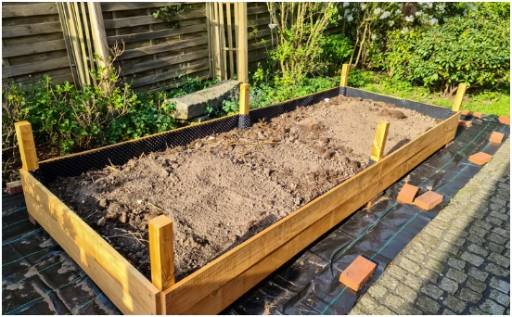
Multiply the bed’s length by its width and soil depth in feet. The result is the required volume in cubic feet.
A 4-by-8-foot bed filled 12 inches deep needs:
4 × 8 × 1 = 32 cubic feet
Bagged soil is often sold in 1-, 1.5-, or 2-cubic-foot packages. That same bed requires sixteen 2-cubic-foot bags before allowing for settling.
For an 18-inch depth, multiply by 1.5 feet:
4 × 8 × 1.5 = 48 cubic feet
This calculation helps me compare bulk delivery with bagged products before buying. I normally order a little extra because freshly blended soil settles after watering.
Filling a Deep Raised Bed Without Wasting Money
I use a balanced soil blend rather than filling the bed with compost alone. The University of Minnesota recommends approximately one-half to two-thirds topsoil with one-third to one-half plant-based compost.
Too much compost can create excessive nutrient levels, poor structure, or rapid settling. Oregon State University recommends adding three to four inches of compost when establishing a new vegetable bed rather than treating compost as the entire growing medium.
Extra-tall beds may contain coarse woody material near the bottom, but I keep at least 12 to 18 inches of quality growing mix above it. Logs and branches shrink as they decompose. They can also cause uneven settling.
Once plants are established, natural ways to control slugs in a vegetable garden can help protect seedlings without turning the raised bed into a chemical battleground.
Common Raised Bed Depth Mistakes
Do not fill a deep frame with untreated native clay or construction fill. Oregon State University warns that dense, unamended soil in beds 18 inches or deeper can drain poorly and restrict plant growth.
Avoid filling soil to the rim. Leave one or two inches so irrigation, mulch, and heavy rain do not wash soil over the sides.
Never assume deeper automatically means better. A 24-inch bed filled with compacted material performs worse than a 12-inch bed containing loose, stable soil.
Do not overlook water needs either. Raised beds can dry faster than surrounding ground. The University of Minnesota recommends checking below the surface and watering when soil is dry two inches down.
Frequently Asked Questions
1. How deep should soil be in a raised garden bed for tomatoes?
Provide 18 to 24 inches where possible, or use a 12-inch bottomless bed over loose, uncontaminated native ground.
2. Is eight inches deep enough for a raised vegetable bed?
Eight inches can support lettuce, herbs, radishes, spinach, and compact crops, but it limits long roots and dries relatively quickly.
3. How deep should a raised bed be over grass?
A depth of 8 to 12 inches can work after removing or smothering grass and loosening the native soil beneath the frame.
4. Does a raised bed need a bottom?
A bed over healthy ground usually needs no solid bottom. Beds on patios require containment, drainage holes, and enough depth for complete root development.
Give Those Roots Some Room
After testing several layouts, I no longer choose bed depth by appearance. I choose it according to crops, base conditions, drainage, and usable soil after settling.
For most home vegetable gardens, 12 to 18 inches offers the best balance of root room, water storage, flexibility, and cost. Use 6 to 8 inches for shallow crops and 18 to 24 inches for larger plants over hard surfaces.
Before ordering soil, measure the bed, calculate its cubic volume, and add a small settling allowance. Your plants cannot admire a tall garden frame, but their roots will notice every usable inch.