Category: Outdoor Living

  • Outdoor Spaces That Improve Wellbeing Through Nature, Light, and Simple Design

    Outdoor Spaces That Improve Wellbeing Through Nature, Light, and Simple Design

    I used to think a relaxing outdoor space meant having a big backyard with expensive landscaping. Then I spent a few weekends making small changes to a neglected corner outside my home. I added a comfortable chair, moved a few planters into better sunlight, and started having my morning coffee there instead of indoors. It wasn’t a dramatic makeover, but I noticed I was spending more time outside without even planning to.

    That experience made me realize something simple. The outdoor spaces that improve wellbeing aren’t always the largest or the most beautiful. They’re the ones that make you want to slow down, breathe a little deeper, and enjoy being present. A thoughtfully designed patio, balcony, or backyard can become part of your daily routine, offering a quiet escape from busy schedules and endless screen time.

    Why Outdoor Spaces Feel Better When They’re Designed With Purpose

    Why Outdoor Spaces Feel Better When They're Designed With Purpose

    Stepping outside has always been a natural way to recharge, but the design of that space plays a bigger role than many people realize. Fresh air and greenery certainly help, yet comfort, sunlight, and simplicity often determine whether people actually spend time outdoors.

    That’s why more homeowners are paying attention to biophilic design, a concept that brings people closer to nature through plants, natural materials, and calming outdoor environments. Instead of filling every corner with decorations, the focus is shifting toward creating outdoor living spaces that feel open, peaceful, and easy to enjoy every day.

    Let Nature Become Part of the Experience

    Plants do more than add color. They create movement, attract birds and pollinators, soften hard surfaces, and make outdoor areas feel alive.

    Native plants are especially valuable because they thrive in local conditions with less maintenance while supporting nearby wildlife. Mixing flowering plants with fragrant herbs and ornamental grasses creates a sensory experience that changes throughout the seasons.

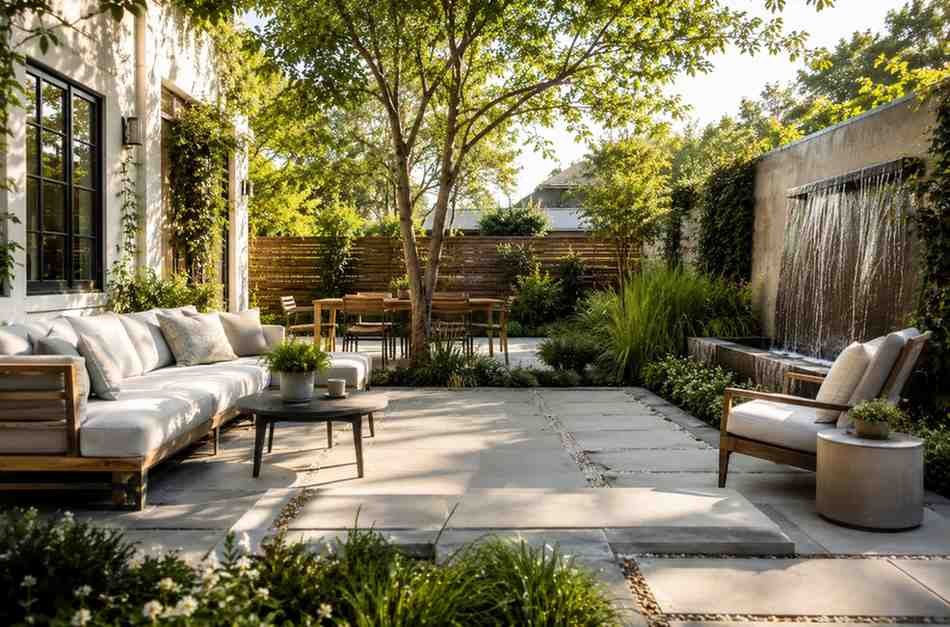
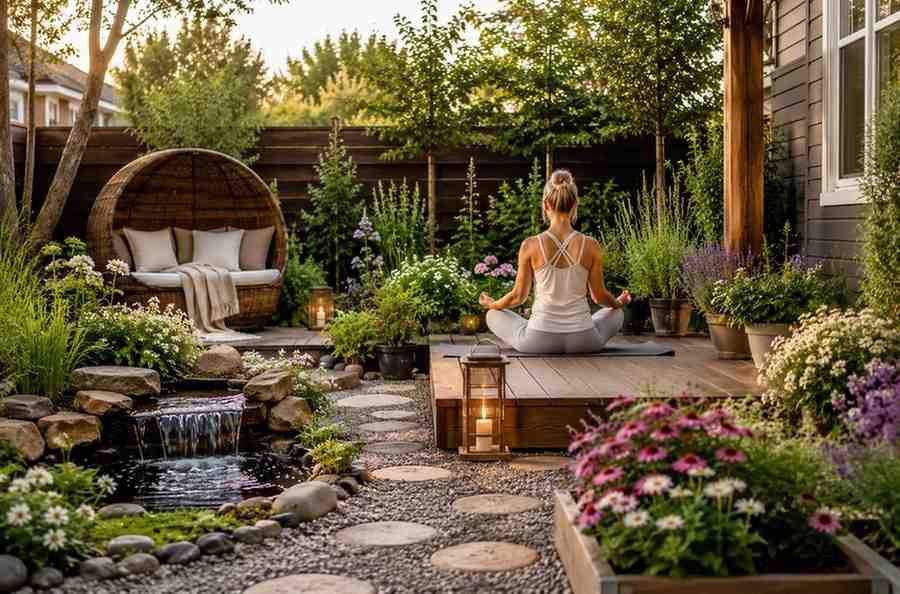
    Even something as simple as a birdbath or a small fountain can transform the atmosphere. The gentle sound of moving water helps soften background noise, making the space feel calmer without requiring a major investment.

    Make Natural Light Work in Your Favor

    Make Natural Light Work in Your Favor

    Natural light affects both mood and energy levels, which is why thoughtful placement matters.

    Before adding furniture or garden features, spend a few days noticing how sunlight moves across the yard. This simple form of sun mapping helps identify comfortable spots for morning coffee, afternoon reading, or evening conversations.

    If intense afternoon sun becomes uncomfortable, filtered shade often works better than blocking light completely. Pergolas, climbing plants, or trees with open canopies allow sunlight to pass through while reducing glare and excess heat.

    As daylight fades, warm outdoor lighting helps extend the usability of the space. Soft LED pathway lights or lantern-style fixtures create a welcoming atmosphere without overwhelming the landscape.

    Simplicity Creates a Greater Sense of Calm

    Many outdoor spaces become crowded because people feel every corner needs decoration. In reality, empty space often has just as much value as the features surrounding it.

    Simple pathways, clean planting beds, and uncluttered seating areas create a more relaxing environment because the eye isn’t constantly distracted. Hidden storage for cushions, gardening tools, and accessories also keeps the space feeling organized throughout the year.

    Minimalist design doesn’t mean the death of individualism or removing personality. It simply means allowing each element to serve a purpose instead of competing for attention.

    Choose Materials That Feel Comfortable Every Day

    Choose Materials That Feel Comfortable Every Day

    The materials used outdoors influence more than appearance. They also shape how the space feels throughout the day.

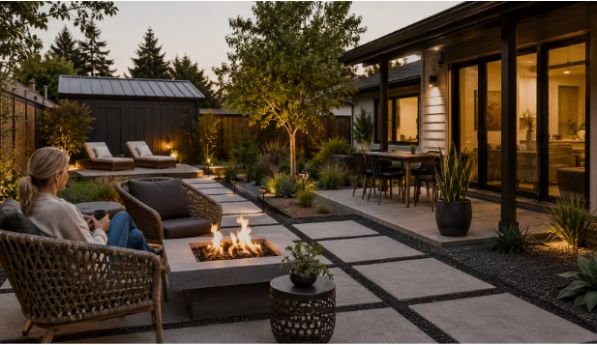
    Natural wood brings warmth to decks, seating, and privacy screens while blending effortlessly with surrounding greenery. Light-colored stone reflects sunlight instead of absorbing excessive heat, making patios more comfortable during warmer months.

    Gravel and small pebbles offer another subtle benefit. The gentle sound beneath your feet creates a quiet sensory experience that encourages slower movement and mindfulness while walking through the garden.

    These details may seem small individually, but together they create an environment that feels noticeably more inviting.

    Create Spaces That Match Everyday Life

    The most successful outdoor spaces are designed around real habits instead of occasional gatherings.

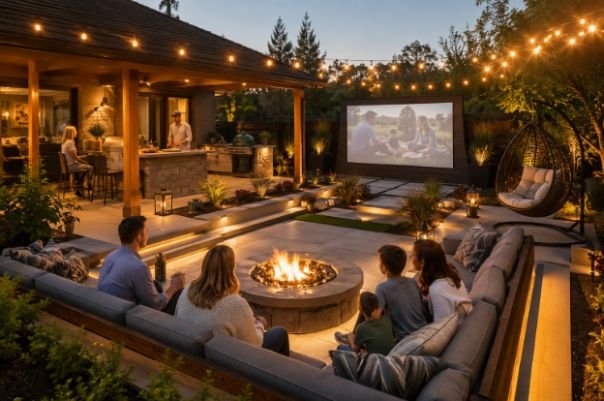
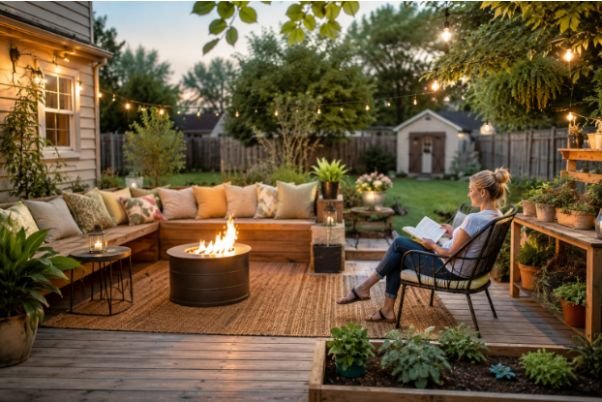
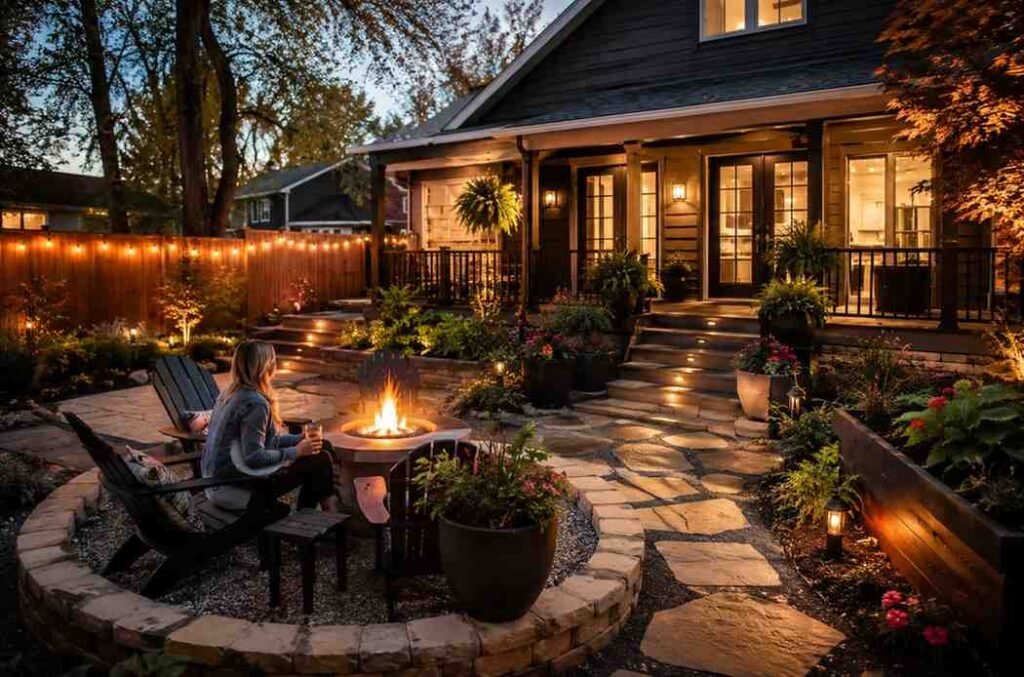
    A quiet reading corner beneath a tree, a shaded deck for stretching before work, or a flexible seating area around a fire pit all encourage people to spend more time outdoors. Rather than serving one purpose, these areas naturally adapt throughout the day.

    If you’re planning a space focused on relaxation and nature, exploring ideas for an outdoor wellness garden can help you combine greenery, comfortable seating, and peaceful surroundings into one cohesive design that you’ll actually use.

    Small Outdoor Areas Can Have a Big Impact

    Small Outdoor Areas Can Have a Big Impact

    A large backyard isn’t necessary to create an outdoor retreat.

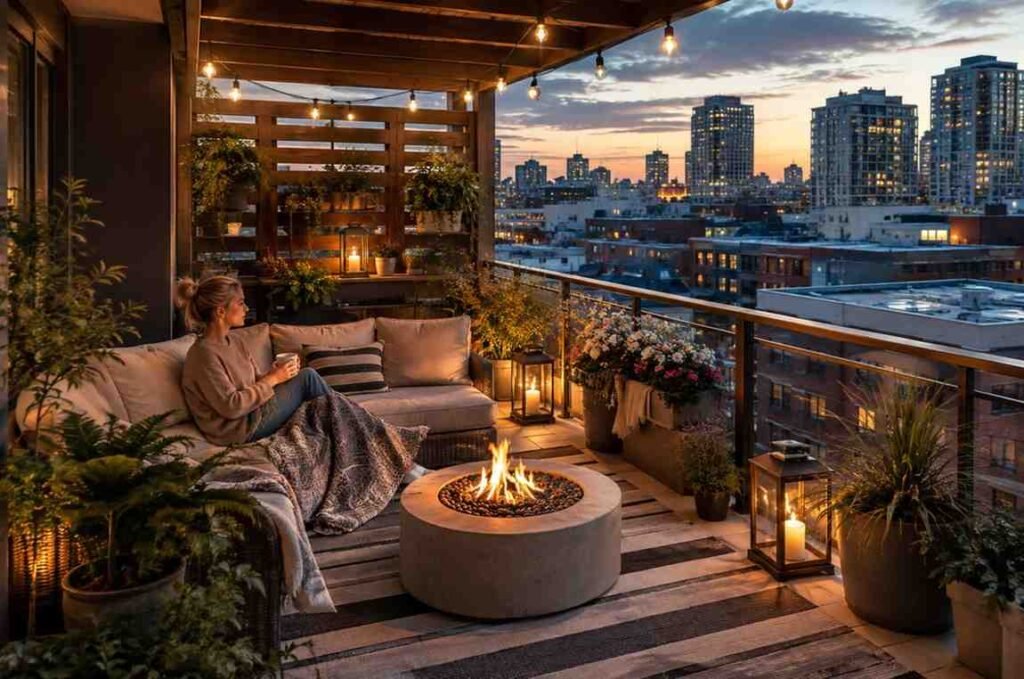
    Balconies can become peaceful morning coffee spots with comfortable seating and container plants. Small patios benefit from vertical gardens, while compact yards often feel larger by keeping layouts open and uncluttered.

    The goal isn’t to fit more into the available space. It’s to make the existing space feel welcoming so that spending time outdoors becomes part of everyday life instead of an occasional event.

    FAQs: Outdoor Spaces That Improve Wellbeing Through Nature, Light, and Simple Design

    1. Can a small patio improve wellbeing?
    Yes. Comfortable seating, natural light, greenery, and a quiet atmosphere can make even a compact patio feel restorative and encourage more time outdoors.

    2. What plants work best for a wellness-focused outdoor space?
    Native plants, fragrant herbs, ornamental grasses, and pollinator-friendly flowers are excellent choices because they support biodiversity while adding texture and seasonal interest.

    3. Why is natural light important in outdoor design?
    Natural light helps regulate daily rhythms, supports vitamin D production, and creates brighter, more inviting spaces that people naturally enjoy using throughout the day.

    4. Do outdoor wellness spaces have to be expensive?
    Not at all. Rearranging furniture, adding plants, improving lighting, and reducing clutter often create meaningful improvements without requiring a large budget.

    The Spaces We Return to Are the Ones That Matter Most

    The outdoor spaces that improve wellbeing aren’t remembered because they follow the latest design trend. They’re the places where people naturally slow down, enjoy fresh air, reconnect with nature, and build simple routines that make everyday life feel a little lighter. Whether it’s a balcony filled with plants or a backyard designed for quiet mornings, the real value comes from creating a space that feels inviting enough to use again and again.

    Sometimes the smallest changes outside your home make the biggest difference inside your day.

  • Outdoor Family Gathering Spaces That Bring Everyone Together

    Outdoor Family Gathering Spaces That Bring Everyone Together

    I’ve always noticed that the best family memories rarely happen inside perfectly decorated rooms. They usually start outside, where someone pulls up an extra chair, kids find something to laugh about, and conversations stretch long after the meal is over. It doesn’t matter whether the backyard is large or small. What matters is that everyone feels comfortable enough to stay.

    I’ve also learned that creating a welcoming outdoor space isn’t about filling it with expensive furniture or trendy features. The spaces people return to again and again are designed around how families actually spend time together. A little shade, comfortable seating, and room to move often matter far more than elaborate landscaping.

    What Makes an Outdoor Gathering Space Feel Inviting?

    What Makes an Outdoor Gathering Space Feel Inviting

    The most successful outdoor family gathering spaces don’t happen by accident. They’re planned around people rather than decorations. Every choice, from where chairs are placed to how guests move through the yard, influences whether the space feels natural or awkward.

    A welcoming backyard encourages conversation without forcing it. People should be able to sit comfortably, move around easily, and find different ways to enjoy the space. Some may gather around the table, while others relax near a fire pit or watch children play nearby. When these areas connect naturally, everyone feels included.

    Start With a Comfortable Gathering Point

    Every outdoor space benefits from having one central area that naturally draws people together. For many families, that’s a dining table large enough for shared meals. Others may prefer modular seating arranged around a coffee table where conversations can continue without feeling formal.

    Instead of pushing furniture against walls or fences, consider creating a layout where seats face one another. This simple change encourages eye contact, keeps conversations flowing, and makes the space feel more welcoming.

    Choose weather-resistant furniture with supportive cushions that can handle changing seasons. Durable materials may cost more initially, but they often provide better comfort and require fewer replacements over time.

    Create Different Spaces Without Dividing the Yard

    Create Different Spaces Without Dividing the Yard

    A backyard doesn’t need physical walls to serve different purposes. Thoughtful placement of furniture, planters, pathways, or outdoor rugs can define areas while keeping the entire space connected.

    A dining area can naturally transition into a casual seating corner, while an open section of lawn remains available for children, pets, or backyard games. This flexible layout allows multiple activities to happen at the same time without making the yard feel crowded.

    The goal isn’t to create separate rooms. It’s to give everyone a place where they feel comfortable spending time.

    Shade Makes Every Season More Enjoyable

    Even the most beautiful outdoor living space loses its appeal if people spend the afternoon searching for relief from the sun.

    Natural shade from mature trees creates a relaxed atmosphere while helping lower temperatures during warmer months. Pergolas, retractable awnings, umbrellas, and covered patios also provide protection without making the yard feel enclosed.

    Adding shade extends the amount of time families can comfortably enjoy meals, celebrations, or quiet evenings outside throughout the year.

    Lighting Changes the Atmosphere After Sunset

    Lighting Changes the Atmosphere After Sunset

    Outdoor gatherings often become more memorable once the sun goes down. Good lighting helps those moments last longer without overwhelming the space.

    Warm string lights suspended above seating areas create an inviting atmosphere while solar pathway lights improve visibility along walkways. Soft landscape lighting can highlight trees, garden beds, or architectural features without producing harsh glare.

    Rather than trying to make the backyard as bright as possible, focus on creating layers of light that encourage people to relax and stay awhile.

    Leave Room for Movement and Play

    Family gatherings rarely stay in one place. Children look for space to run, adults move between conversations, and guests naturally gather wherever activity is happening.

    Leaving an open section of lawn provides flexibility for everything from lawn games to casual play without requiring permanent equipment. Clear walking paths between seating areas also prevent the yard from feeling cramped during larger gatherings.

    A space that feels easy to move through often feels more welcoming than one filled with furniture.

    Nature Brings Comfort Without Trying Too Hard

    Nature Brings Comfort Without Trying Too Hard

    Landscaping should support the space instead of competing with it. Native plants, flowering shrubs, ornamental grasses, and layered greenery soften outdoor areas while attracting birds and pollinators.

    Choosing plants that thrive in local conditions also reduces watering and ongoing maintenance. If you’re planning a backyard that’s both inviting and practical, exploring ideas for low-maintenance outdoor spaces can help you create a landscape that’s easier to enjoy throughout the year instead of constantly maintaining.

    Simple planting choices often create a more relaxed atmosphere than highly structured gardens that demand constant attention.

    Think About Every Generation

    One of the biggest differences between an attractive backyard and one that truly brings families together is accessibility.

    Comfortable seating with supportive backs, stable walking surfaces, wide pathways, and easy access between indoor and outdoor areas make the space enjoyable for grandparents, parents, teenagers, and young children alike.

    Adding flexible seating options also allows the backyard to adapt as gatherings change. A quiet evening with close family may look very different from a birthday celebration or holiday barbecue, but a thoughtfully designed space works well for both.

    FAQs: Outdoor Family Gathering Spaces That Bring Everyone Together

    What makes outdoor family gathering spaces feel more welcoming?
    Comfortable seating, natural shade, good lighting, and a layout that encourages conversation usually make people want to stay longer and spend more time together.

    Do I need a large backyard to create a gathering space?
    No. Even a small patio or compact backyard can become inviting with smart furniture placement, flexible seating, and clear walking paths.

    What’s the best feature to add first?
    Start with a central seating or dining area. It naturally becomes the focal point for meals, conversations, and everyday family time before adding extra features.

    How can I make my outdoor space easier to maintain?
    Choose durable furniture, native plants, weather-resistant materials, and simple landscaping that requires less watering, pruning, and seasonal upkeep while still looking attractive.

    The Best Spaces Are the Ones People Keep Using

    Beautiful backyards certainly catch attention, but the ones that become part of family traditions are designed around everyday life. They’re comfortable enough for morning coffee, flexible enough for weekend cookouts, and welcoming enough that nobody feels ready to head inside too soon. Those moments don’t come from expensive upgrades. They come from creating a space where people naturally enjoy being together.

    When an outdoor space feels effortless to use, it often becomes the favorite room of the house, even without four walls.

  • How Low-Maintenance Outdoor Spaces Are Changing Modern Backyards

    How Low-Maintenance Outdoor Spaces Are Changing Modern Backyards

    I’ve always admired beautiful backyards, but I used to think they came with an endless list of chores. Every weekend seemed to involve mowing the lawn, pulling weeds, trimming plants, or cleaning up after the weather. It didn’t take long to realize that spending more time maintaining an outdoor space meant spending less time actually enjoying it.

    That changed once I started noticing how many homeowners were simplifying their yards instead of adding more work to them. The best outdoor spaces weren’t necessarily the biggest or the most expensive. They were thoughtfully designed, easy to care for, and inviting enough to enjoy throughout the year. That’s exactly why low-maintenance outdoor spaces have become one of the biggest trends in modern backyard design.

    Why Simplicity Is Shaping Today’s Outdoor Spaces

    People are rethinking what they want from their backyards. Instead of creating landscapes that causes constant attention, they’re looking for spaces that fit naturally into busy lifestyles. A backyard should be somewhere to relax after work, gather with friends, or enjoy a quiet morning, not another item on the weekend to-do list.

    This shift has encouraged homeowners to focus on designs that reduce upkeep without sacrificing comfort or style. Smarter layouts, durable materials, and carefully chosen plants all contribute to outdoor spaces that stay attractive with much less effort.

    Less Lawn, More Living Space

    Large lawns have long been considered the centerpiece of a backyard, but they also require the most maintenance. Regular mowing, watering, fertilizing, and repairing worn patches quickly add up throughout the year.

    Many homeowners are now reducing grass coverage and replacing it with patios, seating areas, or decorative landscaping. Rather than one large open lawn, outdoor spaces are divided into practical zones for dining, relaxing, entertaining, or gardening.

    This approach makes the backyard feel more purposeful while significantly reducing routine maintenance.

    Hardscaping Does More of the Heavy Lifting

    Hardscaping Does More of the Heavy Lifting

    Hardscaping has become one of the biggest reasons modern backyards are easier to maintain.

    Natural stone, concrete pavers, gravel pathways, and composite decking create durable surfaces that hold up well in changing weather. Unlike poured concrete, modular pavers offer another advantage. If one section becomes damaged, individual pieces can often be replaced without disturbing the entire patio.

    Hard surfaces also reduce muddy areas, limit weed growth, and create cleaner transitions between different parts of the yard.

    Plants That Practically Take Care of Themselves

    One of the smartest landscaping decisions starts with choosing the right plants rather than simply choosing attractive ones.

    Native plants naturally adapt to local soil and climate conditions, making them easier to maintain than wide ornamental varieties. Drought-tolerant grasses, lavender, succulents, evergreen shrubs, and other regional species typically require less watering while continuing to look healthy throughout the seasons.

    Adding mulch around planting beds makes the job even easier. Organic bark or decorative gravel helps retain soil moisture, reduces weed growth, and protects plant roots during temperature changes. It also creates a cleaner, more finished appearance with very little ongoing effort.

    Smarter Watering Saves Time and Resources

    Watering doesn’t have to become part of every daily routine.

    Many homeowners now install drip irrigation systems that deliver water directly to plant roots instead of spraying large areas unnecessarily. Timers allow watering to happen automatically during cooler parts of the day, reducing evaporation and helping plants stay healthy without constant attention.

    These systems also support water conservation, making them a practical long-term investment for both the landscape and household utility costs.

    Outdoor Furniture Is Built to Last

    Outdoor Furniture Is Built to Last

    Furniture has improved just as much as landscaping materials.

    Weather-resistant aluminum, powder-coated steel, composite materials, and high-performance outdoor fabrics require very little maintenance compared to older wood furniture that demanded frequent sanding, staining, or sealing.

    Choosing durable furniture means spending more time enjoying the patio instead of preparing it for every season.

    If you’re also interested in designing an outdoor lifestyle on a budget, investing in long-lasting furniture and durable landscaping materials often provides better value than replacing inexpensive pieces every few years.

    Artificial Turf Is Becoming a Practical Alternative

    For homeowners who love the appearance of green grass but not the maintenance, artificial turf has become an increasingly popular option.

    Modern synthetic grass looks far more natural than earlier versions while eliminating mowing, watering, fertilizing, and seasonal reseeding. It works especially well in smaller backyards, play areas, and spaces where maintaining natural grass has become difficult.

    Although installation costs can be higher initially, many homeowners appreciate the long-term reduction in maintenance and water use.

    Small Design Choices Make the Biggest Difference

    Small Design Choices Make the Biggest Difference

    Creating a low-maintenance backyard isn’t always about a complete renovation. Often, it’s the smaller decisions that have the greatest impact.

    • Replace high-maintenance flower beds with native plants.
    • Add mulch to reduce weeds and watering.
    • Create defined pathways to protect planted areas.
    • Choose storage benches that reduce outdoor clutter.
    • Group plants with similar watering needs together.

    These simple upgrades help the entire backyard stay organized, healthier, and easier to care for throughout the year.

    FAQs: How Low-Maintenance Outdoor Spaces Are Changing Modern Backyards

    What makes an outdoor space low maintenance?
    A low-maintenance outdoor space uses durable materials, easy-care plants, efficient watering systems, and practical layouts that reduce mowing, pruning, and frequent upkeep.

    Are native plants better for low-maintenance landscaping?
    In many cases, yes. Native plants adapt well to local conditions, usually need less water, and often require fewer fertilizers or pesticides than non-native species.

    Is artificial turf worth considering?
    Artificial turf can be a good choice for homeowners who want a consistently green lawn without mowing or watering, especially in smaller spaces.

    Do low-maintenance backyards still look attractive?
    Absolutely. Thoughtful design, quality materials, layered planting, and functional outdoor spaces often create landscapes that are both beautiful and easy to maintain.

    The Best Outdoor Spaces Aren’t the Ones That Need the Most Work

    A beautiful backyard doesn’t have to demand every free weekend. The growing popularity of low-maintenance outdoor spaces proves that thoughtful design often delivers better results than constant upkeep. By choosing durable materials, reducing unnecessary lawn space, and selecting plants that naturally thrive, homeowners can create outdoor areas that feel welcoming in every season without becoming another household chore.

    The less time spent maintaining your backyard, the more time you’ll have to enjoy everything it was designed for.

  • Designing an Outdoor Lifestyle on a Budget Without Sacrificing Comfort

    Designing an Outdoor Lifestyle on a Budget Without Sacrificing Comfort

    I used to think creating an outdoor space worth spending time in meant saving for expensive patio furniture, custom landscaping, and all the picture-perfect setups I kept seeing online. Every time I compared my backyard with those polished spaces, it felt like I needed a much bigger budget before I could enjoy it. Then I stopped looking at price tags and started paying attention to how people actually used their outdoor spaces. That completely changed my approach.

    What surprised me most was how little money it took to make the space feel inviting. A comfortable chair, a few plants, better lighting, and a place to gather in the evening made a bigger difference than expensive upgrades ever could. Designing an outdoor lifestyle on a budget became less about decorating and more about creating a place I genuinely wanted to use every day.

    Start With How You Want to Live Outdoors

    Start With How You Want to Live Outdoors

    One of the biggest mistakes people make is buying outdoor furniture before deciding how they’ll actually use the space. A backyard that hosts weekend barbecues needs a different layout than one meant for quiet mornings with coffee or an evening reading spot.

    Think about the activities you enjoy most. Maybe it’s gardening, dining outside, entertaining friends, or simply relaxing after work. Once you know the purpose, every purchase becomes easier because you’re building around your lifestyle instead of chasing trends.

    If you’re looking for more inspiration beyond budgeting, exploring outdoor living ideas for modern homes can help you find layouts and design concepts that match the way you spend time outside.

    Spend More Where It Matters

    A limited budget doesn’t mean every purchase should be the cheapest option available.

    Choose durable, weather-resistant furniture for the pieces you’ll use every day. Spending a little more on comfortable seating often provides better value than replacing inexpensive chairs every season.

    For decorative items, however, there are plenty of affordable alternatives. Outdoor cushions, lanterns, rugs, and planters are easy to update over time without stretching your budget.

    Creating balance between investment pieces and budget-friendly accessories usually produces better results than trying to replace everything at once.

    Give Old Furniture a New Purpose

    Some of the most interesting outdoor spaces aren’t filled with brand-new furniture. They’re built from creative ideas and a little patience.

    A second-hand metal chair can look completely different after a fresh coat of weather-resistant spray paint. Wooden pallets can become comfortable outdoor seating when paired with quality cushions, while unused crates or reclaimed timber can be transformed into side tables or plant stands.

    Repurposing materials doesn’t just save money. It creates a space that feels personal instead of looking like every other patio in the neighborhood.

    Use Lighting to Change the Mood

    Use Lighting to Change the Mood

    Lighting often has the biggest impact after sunset, yet it’s one of the easiest upgrades to make on a budget.

    Solar-powered string lights create a warm atmosphere without increasing electricity costs. Battery-operated lanterns add soft lighting around seating areas, while solar stake lights improve visibility along garden paths.

    Instead of relying on one bright light, layering several smaller light sources creates a much more welcoming outdoor environment.

    Plants Make Every Space Feel More Complete

    You don’t need professional landscaping to enjoy a greener backyard.

    Grouping potted plants at different heights creates depth while making smaller patios feel fuller. Herbs like rosemary, mint, thyme, and basil are inexpensive to grow and provide practical benefits in the kitchen as well.

    Vertical planters and hanging baskets also help maximize space, especially on patios, balconies, or compact yards where every square foot matters.

    Choosing native or low-maintenance plants reduces watering and upkeep while keeping your outdoor space looking healthy throughout the seasons.

    Comfort Is More Than Just Furniture

    Comfort Is More Than Just Furniture

    Comfort comes from the details people often overlook.

    An outdoor rug softens concrete or decking underfoot while helping define seating areas. Fade-resistant throw pillows make chairs more inviting, and lightweight blankets extend the time you can comfortably spend outdoors during cooler evenings.

    Simple bamboo shades or outdoor curtains also provide privacy while reducing harsh afternoon sunlight, making the space more enjoyable throughout the day.

    These small additions often strengthen your daily routine more than expensive decorative features.

    Build Your Space One Step at a Time

    One reason outdoor projects become overwhelming is the pressure to finish everything at once.

    Instead of buying every item in a single weekend, focus on one improvement each month. Start with seating, then add lighting, plants, storage, or decorative accessories as your budget allows.

    This gradual approach gives you time to discover what the space actually needs instead of filling it with items that rarely get used. It also spreads costs over time, making the project feel much more manageable.

    FAQs: Designing an Outdoor Lifestyle on a Budget Without Sacrificing Comfort

    What is the most affordable way to improve an outdoor space?
    Start with comfortable seating, good lighting, and a few potted plants. These simple upgrades create a noticeable difference without requiring a large investment.

    Can I create an outdoor living area without buying new furniture?
    Yes. Many people repaint second-hand furniture, build pallet seating, or reuse existing pieces with new cushions and outdoor fabrics for a fresh look.

    Which plants work well for a budget-friendly outdoor space?
    Low-maintenance herbs, native plants, and hardy perennials provide lasting greenery while keeping watering, replacement, and maintenance costs low.

    Should I decorate everything at once?
    No. Improving one section at a time helps you stay within budget, avoid unnecessary purchases, and create a space that grows naturally with your needs.

    The Best Outdoor Spaces Are the Ones You Actually Use

    Designing an outdoor lifestyle on a budget isn’t about proving how little you spent. It’s about creating a space that invites you outside more often. Whether that’s enjoying breakfast in the fresh air, hosting friends on a summer evening, growing herbs for dinner, or simply taking a break after a long day, those everyday moments matter far more than expensive furniture or elaborate landscaping. A thoughtful design almost always outlasts an expensive one because it’s built around the way you actually live.

    The most comfortable outdoor space isn’t the one with the biggest budget. It’s the one that keeps calling you back outside.

  • How an Outdoor Wellness Garden Can Change the Way You Unwind

    How an Outdoor Wellness Garden Can Change the Way You Unwind

    I didn’t think much about my backyard until I started spending a few quiet minutes there after work. At first, it was just a chair under a tree and a cup of coffee. Then I noticed something I hadn’t expected. I stopped checking my phone every few minutes, my mind felt less cluttered, and even the noise from the day seemed easier to leave behind. The space hadn’t changed much, but the way I felt in it certainly had.

    That experience made me realize an outdoor space doesn’t have to be large or expensive to become restorative. A few thoughtful changes can turn an ordinary yard into a place where your body naturally relaxes, and your mind slows down. That’s what makes an outdoor wellness garden different. It isn’t designed only to look beautiful. It’s created to help you feel better every time you step outside.

    What Makes an Outdoor Wellness Garden Different?

    What Makes an Outdoor Wellness Garden Different

    Most gardens are designed around appearance. They focus on colorful flowers, trimmed hedges, and decorative features that look great from the patio. An outdoor wellness garden takes a different approach by considering how every part of the space affects your body and mind.

    Research has shown that spending time in nature can lower stress hormones, reduce blood pressure, and improve mood. Fresh air, natural light, greenery, and gentle movement work together to calm an overstimulated nervous system. Instead of constantly reacting to screens, traffic, and artificial lighting, your senses begin responding to softer, more natural surroundings.

    The goal isn’t creating a luxury retreat. It’s designing a space that encourages you to pause, breathe, and recharge.

    Start With the Senses Instead of the Scenery

    One reason wellness gardens feel so calming is that they engage more than just your eyes. Every element contributes to the overall experience.

    Natural sounds are often the first thing people notice. A small recirculating fountain or simple stone bubbler creates steady background noise that masks traffic and neighborhood distractions. Ornamental grasses planted along pathways sway with the breeze and add another layer of gentle sound without requiring much maintenance.

    Fragrance also plays a bigger role than many homeowners realize. Lavender, rosemary, and lemon balm release calming oils when brushed or gently crushed, making them ideal near seating areas. If you enjoy spending evenings outdoors, climbing jasmine or wisteria can fill the air with fragrance after sunset, creating a completely different atmosphere from daytime.

    Design Spaces That Invite You to Stay

    Design Spaces That Invite You to Stay

    Many outdoor spaces go unused because they don’t encourage people to slow down. A wellness garden works best when every area has a purpose.

    A comfortable chair beneath a tree becomes a reading spot. A small deck surrounded by greenery can double as a morning stretching area. Even a quiet corner with soft planting gives you somewhere to sit without feeling exposed.

    Privacy matters just as much as comfort. Tall ornamental grasses, native shrubs, climbing vines, or a simple pergola help create natural boundaries. Feeling sheltered makes it much easier to relax because your attention stays on the environment rather than everything happening beyond it.

    Create a Space That Supports Recovery

    Outdoor wellness isn’t limited to quiet reflection. It can also help the body recover after physical activity.

    More homeowners are adding cedar barrel saunas, compact cold plunge pools, or dedicated yoga platforms to their landscapes. Alternating heat and cold may help reduce muscle soreness after exercise, while a simple wooden deck surrounded by plants creates an inviting place for stretching, meditation, or breathing exercises.

    You don’t need every feature to enjoy the benefits. Even setting aside one peaceful corner for movement and mindfulness creates a stronger connection between your outdoor space and your daily routine.

    Let Nature Work With Your Daily Rhythm

    Let Nature Work With Your Daily Rhythm

    The most effective wellness gardens follow natural patterns instead of fighting them.

    A bench facing east becomes the perfect place to enjoy the morning sun, while an evening seating area positioned toward the west allows you to unwind as daylight fades. Spending time outside during sunrise or sunset helps support your body’s natural circadian rhythm, making it easier to feel alert during the day and relaxed at night.

    Layering the landscape also makes a difference. Native trees provide long-term shade, shrubs add structure throughout the seasons, and fragrant herbs soften pathways while supporting pollinators. The result feels balanced without demanding constant maintenance.

    Even if you have limited space, many of these ideas still work. People looking for apartment outdoor living ideas often discover that container gardens, folding furniture, fragrant herbs, and compact water features can create the same calming experience on a balcony or small patio.

    Small Changes Often Leave the Biggest Impression

    An outdoor wellness garden doesn’t come together overnight, and it doesn’t need to. Start by observing how sunlight moves across your yard, where you naturally like to sit, and which areas feel the most peaceful. Those simple observations often become the best blueprint for creating a space you’ll genuinely enjoy using.

    The most successful wellness gardens aren’t the ones with the highest budget. They’re the ones that fit naturally into everyday life and quietly encourage you to spend a little more time outside.

    FAQs: How an Outdoor Wellness Garden Can Change the Way You Unwind

    1. What is an outdoor wellness garden?
    An outdoor wellness garden is a space designed to support relaxation through natural elements like plants, water, shade, fragrance, and comfortable seating rather than focusing only on appearance.

    2. Do I need a large backyard to create one?
    No. A small patio, balcony, courtyard, or compact garden can provide many of the same wellness benefits with thoughtful planning.

    3. Which plants work well in a wellness garden?
    Lavender, rosemary, lemon balm, jasmine, ornamental grasses, native shrubs, and flowering plants that attract birds and pollinators are all excellent choices.

    4. How can I start without spending a lot?
    Begin with one seating area, a few fragrant plants, and simple pathways. You can expand the space over time as your needs and budget grow.

    The Best Outdoor Spaces Are the Ones You Actually Use

    A wellness garden isn’t measured by the number of plants you own or how closely it resembles a magazine landscape. Its value comes from how it makes you feel after spending ten quiet minutes outdoors. When the space encourages you to slow down, breathe deeply, and disconnect from constant distractions, it’s already doing exactly what it was designed to do.

    Sometimes the most meaningful upgrade to your home isn’t another room. It’s rediscovering the one waiting just outside your door.

  • Apartment Outdoor Living Ideas for Creating a Cozy Everyday Escape

    Apartment Outdoor Living Ideas for Creating a Cozy Everyday Escape

    I used to think an apartment balcony was just extra space that happened to be outside. Mine held a couple of chairs that barely got used, a few forgotten planters, and whatever didn’t fit inside the apartment. It wasn’t until I started spending more time at home that I realized how much potential those few square feet actually had.

    Once I stopped trying to make it look like a backyard and started designing it around how I wanted to feel, everything changed. A comfortable chair, softer lighting, and a handful of plants made it a place I genuinely wanted to sit every morning. That’s what makes the best apartment outdoor living ideas so effective. They aren’t about filling a space. They’re about making a small space feel like part of your everyday life.

    Start With Comfort Instead of Decoration

    Start With Comfort Instead of Decoration

    One of the biggest mistakes people make is buying decorative pieces before thinking about comfort. A beautiful balcony won’t get much use if the seating is uncomfortable or the layout feels cramped.

    Start with furniture that matches the size of your space. Folding bistro chairs, a compact table, or a slim outdoor bench can provide everything you need without making the area feel crowded. Pieces that fold away or serve more than one purpose also make it easier to adapt the space when friends visit.

    Once the furniture is in place, think about how the space feels underfoot. A weather-resistant outdoor rug instantly softens concrete while helping define the seating area. It also creates a visual transition between your indoor and outdoor spaces, making the balcony feel like a natural extension of your home.

    Layer Soft Textures That Invite You to Stay

    Comfort rarely comes from furniture alone.

    Outdoor cushions made with fade-resistant fabric add support while introducing color and personality. Weather-safe poufs provide flexible seating when guests stop by, and an outdoor throw blanket makes cool evenings much more enjoyable.

    Instead of matching everything perfectly, combine a few complementary colors and textures. That layered look feels relaxed and lived in rather than staged.

    The goal isn’t to create a showroom. It’s to build a space where reading a book, enjoying a morning coffee, or simply sitting outside becomes part of your routine.

    Lighting Changes the Mood More Than Anything Else

    Lighting Changes the Mood More Than Anything Else

    Natural light disappears quickly after sunset, but that doesn’t mean your outdoor space has to lose its appeal.

    String lights remain one of the simplest ways to create warmth without taking up valuable room. Edison-style bulbs or smaller fairy lights can be attached to railings with removable clips or zip ties, adding soft illumination that feels welcoming instead of harsh.

    Solar lanterns and LED candles also work well because they don’t require electrical outlets. Placing a few around seating areas creates gentle layers of light that make even the smallest balcony feel cozy during the evening.

    Bring Life Into the Space With Plants

    Plants do far more than decorate an apartment balcony. They soften hard surfaces, improve the atmosphere, and create a stronger connection with nature.

    If floor space is limited, think vertically. Railing planters, hanging baskets, wall-mounted containers, and leaning trellises allow you to add greenery without sacrificing room for seating.

    Combining different plant heights creates a fuller look. Tall ornamental grasses provide privacy, while trailing vines and flowering plants bring movement and color throughout the season.

    Choose varieties that match the amount of sunlight your balcony receives. Healthy plants always have a bigger impact than struggling ones.

    Make Every Corner Work Harder

    Make Every Corner Work Harder

    Small outdoor spaces benefit from thoughtful planning more than expensive furniture.

    A narrow storage bench can hide gardening tools while doubling as seating. Foldable side tables offer a place for drinks without becoming permanent obstacles. Wall-mounted shelves hold candles, small pots, or decorative accents while keeping the floor clear.

    These practical additions help the space stay organized, making it easier to enjoy every day instead of constantly rearranging it.

    If you’re planning additional improvements around your property, exploring outdoor projects that increase home appeal can also provide ideas that complement your outdoor living space without overwhelming it.

    Add Personal Details Without Creating Clutter

    The most inviting outdoor spaces usually include a few personal touches instead of dozens of decorative items.

    A favorite coffee mug, a small lantern, a couple of textured planters, or artwork designed for outdoor use can give the space character without making it feel busy.

    Before adding something new, ask whether it improves comfort or simply fills empty space. That simple question helps prevent clutter while keeping the area functional.

    Small Spaces Can Still Feel Like an Escape

    Small Spaces Can Still Feel Like an Escape

    You don’t need a large patio or private backyard to enjoy spending time outdoors. What matters most is creating a space that supports the way you actually live.

    When comfortable seating, soft lighting, practical furniture, and healthy plants work together, even the smallest apartment balcony becomes somewhere you naturally want to spend time. Those quiet moments outside often become the best part of the day.

    FAQs: Apartment Outdoor Living Ideas for Creating a Cozy Everyday Escape

    1. How can I make a small apartment balcony feel bigger?
    Choose compact furniture, use vertical planters, and keep the floor as open as possible. Light colors and simple layouts also help create a more spacious feel.

    2. What plants work well on apartment balconies?
    It depends on sunlight, but herbs, ornamental grasses, succulents, trailing vines, and flowering annuals are popular choices for containers.

    3. Are outdoor rugs worth buying for apartments?
    Yes. They make hard surfaces more comfortable, define seating areas, and help the balcony feel like part of your home.

    4. How do I decorate without overcrowding the space?
    Focus on a few useful pieces, layer textures, and avoid filling every corner. Prioritizing comfort usually creates a cleaner and more inviting outdoor area.

    Why the Best Outdoor Spaces Always Feel Personal

    The most memorable outdoor spaces aren’t usually the largest or the most expensive. They’re the ones that make you slow down, breathe a little deeper, and enjoy a quiet moment outside. A thoughtfully arranged balcony can do exactly that with just a handful of well-chosen pieces and a layout that fits your everyday routine.

    When a small outdoor space feels comfortable enough to use every day, it becomes much more than another corner of the apartment.

  • Outdoor Projects That Increase Home Appeal Without a Major Renovation

    Outdoor Projects That Increase Home Appeal Without a Major Renovation

    I used to think making a home look more attractive meant saving for a big renovation. Every home makeover I came across seemed to involve tearing something down or spending thousands on a brand-new patio or landscape design. Then I spent a weekend cleaning up my own outdoor space, and the difference surprised me. The house didn’t look different because it was bigger or newer. It simply looked cared for.

    That experience changed the way I look at home improvement. I’ve realized that the best outdoor updates are often the simplest ones. They make your home feel more welcoming, easier to enjoy, and more inviting to everyone who walks up the driveway. The good news is that many of these projects can be finished in a day or two without stretching your budget.

    Why Small Outdoor Projects Often Leave the Biggest Impression

    Why Small Outdoor Projects Often Leave the Biggest Impression

    When people talk about curb appeal, they usually focus on appearance. While that’s important, what really makes a home stand out is how everything works together. A clean walkway, healthy landscaping, updated lighting, and a welcoming front entry create a sense that the property has been well maintained.

    Small improvements also tend to age better than trendy upgrades. Instead of chasing the latest design style, homeowners are choosing practical projects that improve everyday living while keeping maintenance manageable. Those changes add value whether you’re planning to sell or simply want to enjoy your home more.

    Refresh the Front Entry Before Anything Else

    The front door naturally becomes the focal point of a home’s exterior. Giving it a fresh coat of paint is one of the easiest ways to change the overall look without replacing the door itself.

    Classic colors like deep navy, charcoal, forest green, or rich red create a welcoming entrance while complementing many exterior color palettes. Pair that with updated door hardware in matte black or bronze, modern house numbers, and a clean welcome mat, and the entire entry instantly feels more current.

    These updates don’t require major construction, yet they create one of the strongest first impressions visitors notice.

    Give Outdoor Surfaces a Fresh Start

    Give Outdoor Surfaces a Fresh Start

    Outdoor surfaces collect years of dirt, pollen, algae, and stains so gradually that many homeowners stop noticing them.

    Pressure washing the driveway, front porch, walkways, and siding often restores the original appearance in just a few hours. It’s one of the highest-impact projects because it reveals the home’s true condition instead of covering it up.

    While you’re outside, take time to remove old planters, sweep away leaves, clear cobwebs, and organize the porch. A tidy exterior immediately makes the property feel more inviting.

    Improve Landscaping Without Starting Over

    A beautiful yard doesn’t always need more plants. In many cases, it simply needs better organization.

    Fresh mulch creates contrast that makes existing flowers and shrubs stand out. Edging the lawn along sidewalks and driveways gives the landscape cleaner lines, while trimming overgrown bushes helps the home itself become more visible.

    Adding a few container gardens near the front entrance introduces seasonal color without committing to permanent planting beds. Native plants and low-maintenance landscaping also reduce watering needs while supporting a healthier outdoor environment.

    Make Outdoor Lighting Work for You

    Make Outdoor Lighting Work for You

    Lighting often becomes noticeable only after the sun goes down, but that’s exactly when it has the greatest impact.

    Replacing an outdated porch fixture with a modern design can instantly refresh the home’s appearance. Solar pathway lights improve visibility while highlighting walkways and landscaping features without increasing energy costs.

    Well-placed lighting also extends the usability of outdoor spaces. Whether you’re arriving home after work or enjoying a quiet evening outside, a thoughtfully lit exterior feels safer and more welcoming.

    Create Spaces That Invite People to Stay

    The most memorable outdoor spaces aren’t always the largest ones. They’re the ones people actually use.

    A comfortable seating area with weather-resistant furniture, a small pergola, or a simple fire pit encourages family and friends to spend more time outdoors. Even a modest patio can become one of the most-used parts of a property when it’s designed with comfort in mind.

    Many homeowners looking for ideas eventually discover that outdoor family gathering spaces aren’t about adding luxury features. They’re about creating places where conversations happen naturally, meals are shared, and everyday moments become more enjoyable.

    Choose Projects That Stay Beautiful With Less Work

    Choose Projects That Stay Beautiful With Less Work

    Some outdoor improvements look impressive at first but require constant upkeep. Others continue looking great with only seasonal maintenance.

    Weather-resistant materials, durable pavers, composite decking, and drought-tolerant plants allow homeowners to spend less time maintaining the yard and more time enjoying it. Good drainage, quality edging, and thoughtful landscape planning also prevent many common maintenance problems before they start.

    When choosing your next project, think beyond immediate appearance. Consider how it will look a year from now and how much effort it will require to keep it in good condition.

    FAQs: Outdoor Projects That Increase Home Appeal Without a Major Renovation

    1. Which outdoor project offers the fastest improvement?
    Pressure washing driveways, sidewalks, and patios usually delivers the quickest transformation by removing years of built-up dirt and stains.

    2. Do I need a large budget to improve curb appeal?
    No. Painting the front door, updating lighting, replacing house numbers, adding mulch, and planting containers are affordable projects that make a noticeable difference.

    3. What landscaping changes add the most value?
    Clean lawn edges, fresh mulch, healthy shrubs, native plants, and low-maintenance garden beds create a polished look while reducing future maintenance.

    4. Should I focus on the front yard or backyard first?
    The front yard creates the first impression, so it’s usually the best place to begin. Once that’s complete, improving outdoor living areas adds even more everyday value.

    The Homes People Remember Usually Feel Welcoming

    The outdoor projects that increase home appeal aren’t always the biggest or the most expensive. They’re the ones that make a home feel cared for from the moment someone arrives. A freshly painted front door, clean walkways, thoughtful landscaping, and comfortable outdoor spaces work together to create an inviting atmosphere that lasts long after the first impression.

    When every small improvement supports the next, your home doesn’t just look better. It becomes a place people genuinely enjoy spending time in.

  • Outdoor Living Ideas for Modern Homes That Work in Every Season

    Outdoor Living Ideas for Modern Homes That Work in Every Season

    I used to think an outdoor space was something you enjoyed only when the weather was perfect. A sunny afternoon meant sitting outside with a coffee, while the rest of the year the patio stayed empty. After spending more time improving my own outdoor setup, I realized the biggest difference wasn’t buying expensive furniture. It was making the space comfortable enough that I actually wanted to use it throughout the year.

    That experience changed how I look at outdoor design. The best outdoor spaces don’t wait for a special occasion. They become part of everyday life, whether it’s reading before work, sharing dinner with family, or relaxing after a long day. That’s exactly why outdoor living ideas for modern homes are becoming less about decoration and more about creating spaces people naturally use every season.

    Why Outdoor Spaces Are Becoming Everyday Living Areas

    Why Outdoor Spaces Are Becoming Everyday Living Areas

    Modern homes are no longer defined by what happens inside four walls. Patios, decks, balconies, and backyards have become extensions of kitchens, living rooms, and dining areas. Instead of treating these spaces as occasional gathering spots, homeowners are designing them to support everyday routines.

    The biggest shift isn’t style. It’s functionality. A well-planned outdoor space feels comfortable on a cool evening, remains practical during warmer months, and requires less maintenance throughout the year. That balance makes the investment worthwhile long after the latest design trend disappears.

    Create Shelter That Adapts to Changing Weather

    One of the smartest improvements is adding flexible overhead coverage instead of relying on permanent shade alone.

    Retractable awnings and louvered roof systems allow you to enjoy sunshine when you want it while providing protection from rain or intense afternoon heat. Pergolas paired with adjustable shade panels create a similar effect without making the space feel enclosed.

    Large sliding glass doors also help connect indoor and outdoor areas. When opened, they create a seamless transition that makes both spaces feel larger and more inviting.

    Using the same stone, porcelain tile, or concrete flooring inside and outside further strengthens that connection. Continuous flooring creates visual flow while making movement between spaces feel effortless.

    Design Separate Areas for Different Activities

    Design Separate Areas for Different Activities

    Outdoor spaces work better when every section has a purpose.

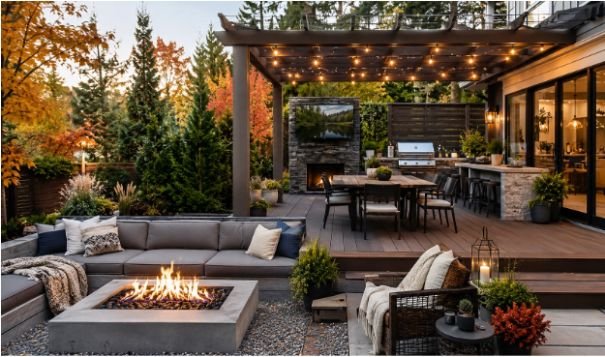
    Rather than placing furniture randomly across a patio, divide the area into practical zones. A dining area near the grill, a comfortable seating space for conversation, and a quiet corner for reading or morning coffee all encourage people to use the space more often.

    This approach also makes smaller yards feel organized instead of crowded. Even compact patios benefit from thoughtful layouts that improve movement and reduce clutter.

    Choose Materials Built for Every Season

    Beautiful furniture doesn’t stay beautiful if it can’t handle changing weather.

    Powder-coated aluminum frames resist rust while remaining lightweight enough to rearrange when needed. Teak continues to be a favorite because it naturally handles moisture, sunlight, and temperature changes without losing its character.

    Performance fabrics have also improved dramatically. Quick-drying foam cushions wrapped in UV-resistant, water-resistant covers stay comfortable while requiring far less maintenance than traditional outdoor cushions.

    When selecting outdoor furniture, think about long-term value rather than short-term appearance. Durable materials often deliver a better cost-per-wear over many years of daily use.

    Make Comfort a Priority All Year

    Make Comfort a Priority All Year

    A comfortable outdoor space isn’t reserved for summer.

    Built-in fire tables provide both warmth and a natural gathering point during cooler evenings. Infrared patio heaters are another practical option because they warm people directly instead of heating the surrounding air, making them effective even when there’s a light breeze.

    Layered outdoor lighting also extends the usability of a space. Soft pathway lighting improves safety, overhead fixtures brighten dining areas, and accent lighting highlights landscaping without creating harsh glare.

    Small additions like outdoor rugs, weather-resistant throws, and side tables make the space feel as welcoming as an indoor living room.

    Bring Nature Into the Design

    Plants often determine whether an outdoor space feels complete. Thoughtfully chosen greenery helps create outdoor spaces that improve wellbeing through nature, light, and simple design, making gardens and patios more inviting, calming, and enjoyable year-round

    Instead of relying only on seasonal flowers, include evergreen shrubs, ornamental grasses, and container plants that provide structure throughout the year. They maintain color and texture while requiring relatively little maintenance.

    Native plants are another smart choice because they’re naturally adapted to local growing conditions. They generally require less water, support local pollinators, and reduce the amount of ongoing care needed.

    Combining greenery with natural materials such as wood, stone, and gravel creates a balanced landscape that remains attractive regardless of the season.

    Think Beyond Entertaining

    Think Beyond Entertaining

    Many outdoor spaces are designed around hosting guests a few times each year. In reality, they’re far more valuable when they support everyday life.

    A comfortable chair for reading, a small table for working outdoors, or a quiet place to enjoy breakfast often brings more value than oversized seating arrangements that rarely get used.

    The most successful outdoor living ideas for modern homes focus on daily habits instead of occasional events. When a space fits naturally into your routine, it becomes one of the most enjoyable parts of the home.

    FAQs: Outdoor Living Ideas for Modern Homes That Work in Every Season

    How can I make an outdoor space comfortable year-round?
    Use adjustable shade, weather-resistant furniture, outdoor heating, layered lighting, and durable materials that perform well through changing seasons.

    What furniture lasts longest outdoors?
    Powder-coated aluminum, teak, and high-quality synthetic wicker paired with UV-resistant performance fabrics are among the most durable choices.

    Do small outdoor spaces benefit from zoning?
    Yes. Creating separate areas for dining, relaxing, or gardening improves functionality without making the space feel crowded.

    Which plants work well throughout the year?
    Evergreen shrubs, ornamental grasses, native plants, and container gardens provide lasting structure, require less maintenance, and keep outdoor spaces looking attractive across multiple seasons.

    A Backyard That Grows With Everyday Life

    The best outdoor spaces aren’t the ones with the biggest budgets or the newest furniture. They’re the ones people actually use. A few thoughtful improvements, durable materials, comfortable seating, and practical layouts often make a bigger difference than a complete renovation. As lifestyles continue to evolve, outdoor areas are becoming places where everyday moments happen instead of spaces reserved for weekends or special occasions.

    When an outdoor space feels inviting in every season, it naturally becomes another room you’ll never want to leave.