Category: Flowers and Plants

  • Best Soil Mix for Growing Herbs in Pots: Simple Recipe

    Best Soil Mix for Growing Herbs in Pots: Simple Recipe

    I used to believe that filling a container with ordinary garden soil was enough to grow healthy herbs. After dealing with compacted soil, yellow leaves, slow growth, and struggling roots, I discovered that the best soil mix for growing herbs in pots must balance drainage, moisture retention, aeration, and nutrition.

    The right mixture should feel light and crumbly rather than heavy or muddy. It must hold enough moisture to support tender herbs while allowing excess water to drain before roots begin to rot. More importantly, the recipe should be adjusted to the herbs being grown because basil and rosemary do not enjoy identical conditions.

    What Makes a Good Potting Mix for Herbs?

    What Makes a Good Potting Mix for Herbs?

    A successful herb potting mix performs several jobs at once. It supports the roots, holds nutrients, retains moderate moisture, and leaves small air pockets around the root system.

    Container soil also needs to drain more efficiently than ground soil. Water cannot spread naturally through the surrounding earth when a plant is confined to a pot. Without sufficient drainage, moisture collects around the roots and creates conditions that encourage root rot, fungus, and pest problems.

    The ideal mixture should contain three basic components: a moisture-retaining base, a source of gentle nutrition, and a material that improves drainage.

    Moisture-Retaining Ingredients

    Coconut coir and peat moss are commonly used as the base of a potting mixture. Both materials absorb water while helping the soil remain lightweight.

    I prefer coconut coir when it is readily available because it rewets more easily after drying out. Peat moss can sometimes become difficult to moisten when it is allowed to dry completely.

    Nutrient-Rich Ingredients

    Finished compost or worm castings can provide nutrients and beneficial organic matter. However, more compost is not always better.

    Too much can make a container mixture dense, wet, or overly rich. Most culinary herbs grow well with moderate nutrition, and excessive fertilizer can create rapid, soft growth with weaker flavour.

    Drainage and Aeration Ingredients

    Perlite, pumice, rice hulls, coarse horticultural sand, and fine pine bark can create air spaces and help water move through the pot.

    Perlite is affordable, lightweight, and easy to find. Pumice is heavier and less likely to float to the surface, while coarse sand works particularly well for drought-tolerant Mediterranean herbs.

    My All-Purpose Herb Potting Recipe

    My All-Purpose Herb Potting Recipe

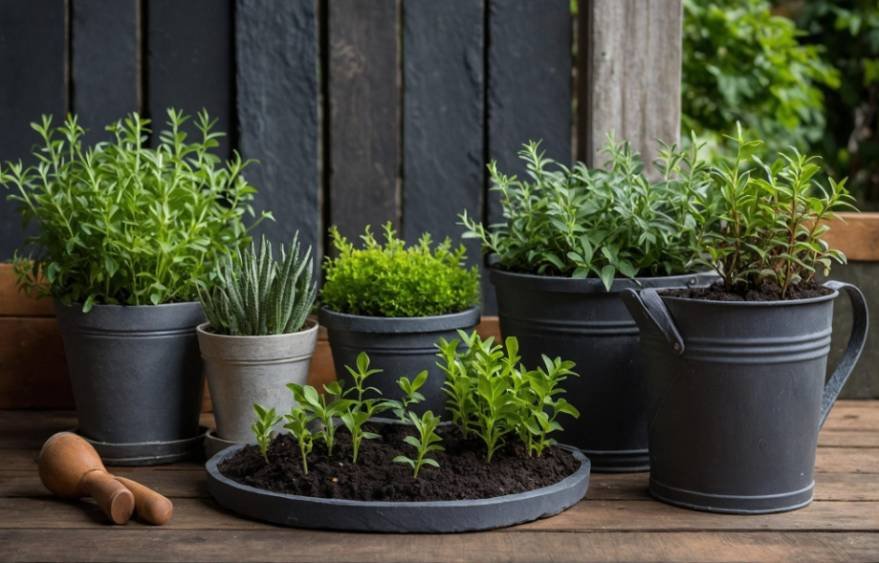
    For basil, parsley, coriander, dill, chives, and similar leafy herbs, I use this straightforward mixture:

    • Two parts high-quality potting mix or coconut coir
    • One part finished compost
    • One part perlite or pumice

    I blend the ingredients thoroughly before adding them to the container. I then moisten the mixture gradually until it feels evenly damp but does not release water when squeezed.

    This recipe provides enough moisture retention for leafy growth while preventing the soil from becoming waterlogged. Mint can also grow in this blend, although I usually plant it in its own pot because its spreading roots can overwhelm neighbouring herbs.

    A Faster-Draining Mix for Mediterranean Herbs

    Rosemary, thyme, oregano, sage, and Lavandula species originate from environments where the soil tends to drain quickly. Their roots are more vulnerable to constantly wet conditions, particularly during cool or humid weather.

    For these herbs, I use:

    • Two parts regular potting mix
    • One part perlite or pumice
    • One part coarse horticultural sand or fine bark

    A cactus or succulent potting mix can also be combined with regular potting soil in equal amounts. This creates a simple alternative for gardeners who do not want to purchase several separate ingredients.

    The final texture should remain loose and gritty. Water should soak through the mixture without sitting on the surface for an extended period.

    Why Garden Soil Should Stay Out of Pots

    Garden soil may look rich, but it behaves differently inside a container. It can become compressed after repeated watering, reducing the oxygen available to roots.

    Heavy soil may also drain slowly, carry weed seeds, or introduce insects and plant diseases. Even when mixed with compost, it often remains too dense for long-term container growing.

    A sterile commercial potting mixture provides a safer and lighter foundation. Garden soil is better left in garden beds, where worms, weather, and natural drainage can help maintain its structure.

    How to Adjust the Mix for Different Conditions

    How to Adjust the Mix for Different Conditions

    No recipe works perfectly in every climate, container, and growing location. Small adjustments can make the mixture more reliable.

    Moisture retention should also be adjusted according to how quickly each container dries. Understanding how often should you water potted herbs can help you decide whether the mix needs more coir or compost for moisture retention, or additional perlite and pumice for faster drainage.

    Hot and Dry Conditions

    Pots lose water rapidly during warm, windy weather. I add slightly more coconut coir or compost to improve moisture retention. A larger pot can also prevent roots from drying out too quickly.

    Terracotta containers are porous and lose moisture faster than plastic or glazed pots. Herbs growing in terracotta may therefore need more frequent watering.

    Cool, Humid, or Indoor Conditions

    Moisture evaporates more slowly in humid weather and inside rooms with limited airflow. I increase the amount of perlite or pumice and reduce the compost slightly.

    Plastic and glazed ceramic containers retain water longer than terracotta. They need unobstructed drainage holes and a particularly airy mixture.

    How to Choose a Store-Bought Potting Mix

    A good bagged mixture should feel light instead of dense. I look for coconut coir or peat moss combined with perlite, bark, pumice, or another drainage material.

    I avoid products made mainly from topsoil and mixes that contain excessive moisture-control crystals. These additives may keep the root zone wetter than rosemary, thyme, and other drought-tolerant herbs prefer.

    A product labelled for containers, vegetables, or indoor plants can provide a useful starting point. I still add perlite when the mixture feels heavy or drains slowly.

    Common Herb Soil Mistakes

    Common Herb Soil Mistakes

    One common mistake is placing gravel at the bottom of a container. Gravel does not improve drainage inside the soil and can reduce the amount of growing space available to roots.

    Another mistake is planting herbs with conflicting moisture requirements together. Basil and mint prefer more consistent moisture, while rosemary and thyme need the soil to dry more between waterings.

    Keeping care requirements simple is easier when herbs with similar soil and moisture preferences are grouped together. This same principle supports many low-maintenance edible garden ideas, where compatible plants reduce watering problems, simplify feeding, and make routine maintenance more manageable.

    Overfertilising is equally problematic. Fresh potting soil often contains starter nutrients, so additional feeding may not be necessary immediately. When growth slows, a diluted balanced fertiliser can be applied according to the label directions.

    How to Fix Potting Soil Problems

    If the soil stays wet for several days, I check the drainage holes and mix in additional perlite. Yellow leaves combined with damp soil may indicate that roots are receiving too little oxygen.

    When water runs straight down the sides, the mixture may have become extremely dry and water-repellent. I water slowly in several rounds or place the pot in shallow water briefly so moisture can move upward.

    Soil that has collapsed, developed a sour smell, or become densely packed should be replaced. Healthy potting material should smell earthy and maintain a loose texture.

    Frequently Asked Questions

    1. What is the best soil mix for growing herbs in pots?

    A dependable general recipe combines two parts potting mix, one part compost, and one part perlite, although Mediterranean herbs benefit from extra grit and drainage.

    2. Can I use regular potting soil for herbs?

    Yes, but adding perlite or pumice can improve airflow and reduce the risk of waterlogged roots, especially in plastic or glazed containers.

    3. What soil pH do most herbs prefer?

    Most culinary herbs perform well in slightly acidic to neutral soil, generally around pH 6.0 to 7.0.

    4. How often should I replace soil in herb containers?

    Replace severely compacted or unhealthy soil. Otherwise, refresh it between growing seasons with fresh potting mix, compost, and drainage material.

    Give Your Herbs Room to Breathe

    Once I stopped treating every herb and container the same way, my plants became stronger and easier to maintain. The biggest improvement came from creating a lightweight mixture and adjusting its drainage to match each herb.

    I now group moisture-loving plants together, give Mediterranean herbs a grittier blend, and check the texture before reaching for the watering can. Healthy herbs begin below the surface, and a balanced potting mixture gives their roots the air, moisture, and support they need to flourish.

  • 12 Easy Herbs to Grow Indoors for Fresh Flavor

    12 Easy Herbs to Grow Indoors for Fresh Flavor

    I used to believe indoor herb gardening required a sunny greenhouse, expensive equipment, and years of experience. Once I started with a few forgiving plants, I discovered that easy herbs to grow indoors can provide fresh flavor without taking over the kitchen or demanding constant attention.

    The secret is choosing herbs that tolerate containers, recover after harvesting, and adapt to ordinary household conditions. Light, drainage, and careful watering matter far more than advanced gardening skills.

    What Makes an Indoor Herb Beginner-Friendly?

    An easy indoor herb should grow reliably in a container and tolerate occasional care mistakes. It should also remain manageable, recover after trimming, and produce enough leaves to make the effort worthwhile.

    Before choosing a plant, I consider the available light. A bright south- or west-facing window suits sun-loving Mediterranean herbs, while mint, chives, parsley, and lemon balm can handle somewhat gentler light. However, no culinary herb thrives in a completely dark room.

    Drainage is equally important. I always use pots with holes in the bottom and a loose indoor potting mix. Heavy outdoor soil can compact inside containers, restrict airflow, and hold too much water around the roots.

    The Best Indoor Herbs for Beginners

    The Best Indoor Herbs for Beginners

    Many of these beginner-friendly plants can also transition to patios, balconies, or garden areas when the weather becomes suitable. Comparing them with the best herbs to grow in containers outdoors can help you decide which varieties are better kept on a windowsill and which may produce stronger growth in open air.

    1. Mint

    Mint is one of the most forgiving choices for new gardeners. It grows quickly, responds well to regular harvesting, and tolerates slightly lower light than many culinary herbs and spices.

    I keep mint in its own pot because its roots spread aggressively. I water when the soil surface begins to feel dry and trim the stems regularly to encourage fuller growth.

    2. Chives

    Chives fit neatly on a windowsill and continue producing after repeated cutting. Their mild onion flavor works well in eggs, potatoes, soups, dips, and salads.

    They prefer bright light but can manage with less direct sun than rosemary or thyme. I harvest by cutting the leaves about an inch above the soil rather than removing only the tips.

    3. Basil

    Basil grows quickly from seed and produces generous harvests when it receives warmth and strong light. A bright window or full-spectrum grow light usually gives the best results.

    I pinch the stem just above a pair of leaves to encourage branching. Removing flower buds also helps the plant continue producing tender leaves instead of focusing its energy on seeds.

    4. Oregano

    Oregano prefers bright light, excellent drainage, and soil that dries slightly between waterings. It is a practical choice for pizza, pasta sauce, roasted vegetables, and marinades.

    Overwatering causes more problems than temporary dryness. I check the soil with my finger before adding water and empty any excess moisture from the saucer.

    5. Thyme

    Thyme stays compact and suits small kitchens. Its tiny leaves add flavor to soups, poultry, vegetables, beans, and sauces.

    It prefers a sunny position and does not like wet roots. Regular light trimming keeps the plant bushy and prevents the stems from becoming overly woody.

    6. Parsley

    Parsley takes longer to germinate than basil, but established plants are dependable and productive. Both curly and flat-leaf varieties grow well in containers.

    The soil should remain lightly moist without becoming soggy. I harvest the outer stems first, cutting them near the base so new growth can continue from the center.

    7. Lemon Balm

    Lemon balm belongs to the mint family and shares its vigorous growth. Its citrus-scented leaves work well in tea, fruit dishes, flavored water, and desserts.

    It tolerates moderate indoor light, although stronger light creates denser growth. Frequent trimming prevents the plant from becoming tall and sparse.

    8. Sage

    Sage is a good option for a warm, sunny windowsill. Its soft leaves complement stuffing, roasted vegetables, sauces, poultry, and butter-based dishes.

    The plant prefers drier conditions, so I allow the upper layer of soil to dry before watering. Strong airflow also helps prevent mildew around the leaves.

    9. Rosemary

    Rosemary can grow indoors successfully, but it needs more attention than mint or chives. It performs best with strong light, excellent drainage, and good air circulation.

    I avoid allowing the potting mix to remain constantly wet. Brown leaves can result from root problems, weak light, dry indoor air, or inconsistent watering.

    10. Cilantro

    Cilantro grows quickly but has a shorter productive life than many perennial herbs. It may flower early in warm conditions, so repeated sowing provides a steadier supply.

    Instead of expecting one plant to last indefinitely, I sow small batches every few weeks. A deeper container supports its long taproot.

    11. Dill

    Dill grows easily from seed and develops quickly under bright light. It is useful for potatoes, fish, dips, pickles, and salads.

    Because dill develops a substantial root system, I use a deeper pot and avoid unnecessary transplanting. Regular harvesting encourages useful growth before flowering begins.

    12. Lemongrass

    Lemongrass is surprisingly simple to start from fresh stalks. I place stalks with intact bases in water until roots appear, then transfer them to a container.

    The plant appreciates warmth, bright light, and consistent moisture. It can become large, so it needs more space than compact herbs such as thyme.

    How to Keep an Indoor Herb Garden Alive

    How to Keep an Indoor Herb Garden Alive

    Provide Enough Light

    Most herbs need several hours of bright light each day. Weak light often causes pale leaves, slow growth, and long stems leaning toward the window.

    I rotate pots every week so all sides receive light. During darker months, a grow light positioned above the plants can support healthier, more balanced growth.

    Water According to the Soil

    A fixed watering schedule often causes root rot. Instead, I check each pot individually because small containers, sunny rooms, and mature plants dry at different rates.

    Mediterranean aromatic herbs such as rosemary, oregano, sage, and thyme prefer slightly drier soil. Basil, parsley, mint, cilantro, and chives generally appreciate more consistent moisture.

    Harvest Regularly

    Frequent harvesting encourages many herbs to branch and produce fresh growth. However, removing too much at once can weaken a young plant.

    I avoid taking more than roughly one-third of the plant during a single harvest. Clean scissors also reduce stem damage.

    Common Indoor Herb-Growing Mistakes

    Overwatering is the most common problem. Other frequent mistakes include using pots without drainage, placing sun-loving herbs in dim rooms, overcrowding several plants in one container, and failing to harvest regularly.

    Excess moisture can also encourage tiny flies around the soil surface. Learning how to stop fungus gnats fast without putting pets at risk can help indoor gardeners control the problem while protecting animals that share the home.

    Grocery-store herb pots may contain many seedlings packed together. Separating them into smaller groups can reduce competition for water, nutrients, and root space.

    It is also important to group plants by care needs. Rosemary and mint may not thrive in the same container because they prefer different moisture levels.

    Frequently Asked Questions

    1. What are the easiest herbs to grow inside for beginners?

    Mint, chives, basil, oregano, thyme, parsley, and lemon balm are dependable choices because they adapt well to containers and respond positively to regular harvesting.

    2. Can herbs grow indoors without direct sunlight?

    Some herbs tolerate bright indirect light, but completely dark areas are unsuitable. A grow light can compensate when natural window light is limited.

    3. Can I grow herbs indoors throughout winter?

    Yes. Indoor herbs can grow during winter when they receive sufficient light, stable temperatures, good drainage, and appropriate watering.

    4. What are the best easy herbs to grow indoors in low light?

    Mint, chives, parsley, and lemon balm are better options for gentler light, although they still need a bright window or supplemental lighting.

    5. Should I start indoor herbs from seeds or plants?

    Seeds work well for basil, dill, cilantro, and parsley. Starter plants or cuttings usually provide faster results for rosemary, mint, oregano, thyme, and sage.

    Fresh Flavor Starts on the Windowsill

    I have learned that a successful indoor herb garden does not need to begin with twelve plants. Starting with two or three herbs makes it easier to understand how quickly the soil dries, how much light the room provides, and how each plant responds to harvesting.

    For my first collection, I would choose mint, chives, and basil. They grow quickly, provide noticeable harvests, and teach the basic skills needed to manage easy herbs to grow indoors. Once those plants are thriving, adding thyme, oregano, parsley, or rosemary feels far less intimidating.

  • Best Herbs to Plant in Early Spring for Fresh Harvests

    Best Herbs to Plant in Early Spring for Fresh Harvests

    When the first mild days arrive, I always feel ready to fill empty pots and garden beds with fresh greenery. However, early spring weather can change quickly. A sunny afternoon may be followed by cold rain, strong wind, or an unexpected frost overnight.

    Choosing the best herbs to plant in early spring helps me start the growing season without exposing delicate plants to unsuitable conditions. Cool-tolerant herbs such as cilantro, dill, parsley, chives, thyme, and sage can establish before warmer weather arrives. Tender herbs, including basil, are better started indoors until outdoor temperatures become reliable.

    What Counts as Early Spring?

    Early spring does not begin on the same date everywhere. Local climate, elevation, rainfall, and garden position all affect when planting can begin.

    Instead of relying entirely on the calendar, check whether the ground has thawed and the soil can be worked without becoming sticky or compacted. Soil that forms a heavy wet ball in your hand usually needs more time to dry.

    The average final frost date is another useful guide. Hardy herbs can tolerate cool conditions, but frost-sensitive plants should remain indoors until the risk of freezing weather has passed.

    Cool-Season Herbs to Sow Directly

    Cool-Season Herbs to Sow Directly

    Cilantro

    Cilantro prefers cool temperatures and often struggles once summer heat arrives. Sow the seeds directly into loose soil because the plant develops a taproot that does not always respond well to transplanting.

    Plant a small batch every two or three weeks to extend the harvest. Pick the outer leaves regularly before flower stalks begin to appear.

    Dill

    Dill is another herb that performs well when sown directly. Its long root can be disturbed during transplanting, so planting seeds in their permanent position usually produces stronger plants.

    Choose a sunny, sheltered location because mature stems may bend in strong wind. Repeated sowing can provide tender leaves for several weeks.

    Parsley

    Parsley handles cool conditions well, although its seeds may take several weeks to germinate. Soaking the seeds overnight before planting may help soften the outer coating.

    Keep the soil consistently moist during germination, but avoid leaving it waterlogged. Both curly and flat-leaf varieties grow successfully in beds, raised planters, and deep containers.

    Chervil

    Chervil grows best in cool conditions and can tolerate partial shade. Sow the seeds directly and cover them with only a thin layer of soil.

    The delicate leaves have their best texture and flavor before temperatures rise. Small repeat sowings are more practical than planting the entire seed packet at once.

    Chamomile

    Chamomile can be started early because its seedlings tolerate cool weather. Press the tiny seeds lightly onto the soil surface rather than burying them deeply, as light helps them germinate.

    German chamomile grows as an annual, while Roman chamomile is a low-growing perennial. Both types produce small flowers that attract beneficial insects.

    Hardy Perennial Herbs to Plant

    Hardy Perennial Herbs to Plant

    A productive herb garden does not require expensive landscaping or a large growing area. Reusing containers, dividing established plants, and choosing low-maintenance perennials are practical parts of designing an outdoor lifestyle on a budget while still creating a useful and inviting space.

    Chives

    Chives are among the earliest perennial herbs to produce new growth. Established clumps can be divided and replanted once the soil is workable.

    Harvest leaves when they reach several inches tall. Cut them close to the base while leaving enough growth for the plant to recover.

    Thyme

    Thyme prefers full sunlight and sharply drained soil. It performs well in raised beds, rock gardens, borders, and terracotta containers.

    Avoid planting it in heavy, constantly wet ground. Excessive moisture can weaken the roots and reduce the plant’s natural flavor.

    Oregano

    Oregano establishes more quickly from a nursery plant or division than from seed. Place it in a sunny position with good airflow.

    Once established, oregano requires little attention. Regular trimming encourages compact growth and provides tender leaves for cooking.

    Sage

    Sage is a woody perennial that benefits from an early start. Choose a sunny area with free-draining soil and enough space for air to move around the leaves.

    Light pruning can encourage fresh growth, but avoid cutting deeply into old, leafless stems.

    Mint

    Mint tolerates cool temperatures and begins spreading quickly as conditions improve. Its vigorous roots can overwhelm nearby plants, so a container is usually the safest option.

    Use a pot with drainage holes and keep the soil evenly moist. Placing the container close to the kitchen makes regular harvesting more convenient.

    Lemon Balm

    Lemon balm is related to mint and spreads in a similar way. It can grow in full sun or partial shade, although some afternoon shade may help in warmer conditions.

    Growing it in a container prevents unwanted spreading and makes it easier to control self-seeding.

    Herbs to Start Indoors

    Herbs to Start Indoors

    Basil

    Sweet basil loves warmth and may suffer damage when nights are cold. Start seeds indoors in a bright, warm location and wait until frost danger has passed before moving plants outside.

    Harden the seedlings gradually by placing them outdoors for short periods over seven to ten days. Increase their exposure each day before transplanting permanently.

    Rosemary

    Rosemary seeds can germinate slowly and unevenly. Starting them indoors early provides more time for seedlings to develop before outdoor planting.

    Buying a healthy young plant is often the easier choice. Place it near a sunny window until outdoor temperatures become mild.

    How to Protect Young Herbs

    Check the weather forecast regularly during the first few weeks. Cover seedlings with frost cloth, a cloche, or an overturned container when freezing temperatures are expected.

    Remove covers during warm daylight hours so heat and humidity do not build up around the plants. Containers can also be moved into a sheltered area overnight.

    Cold soil holds water longer than warm summer soil. Water only when the upper layer begins to feel dry, and make sure containers drain freely.

    Overwatering indoor seedlings and container herbs can leave the potting mix damp enough for small pests to breed.

    If tiny flies begin hovering near the soil, learning how to get rid of fungus gnats in houseplants naturally can help protect young roots without relying on harsh treatments.

    Frequently Asked Questions

    1. What are the best herbs to plant in early spring before frost has ended?

    Cilantro, dill, parsley, chervil, chamomile, chives, thyme, oregano, sage, mint, and lemon balm are reliable choices for cool conditions.

    2. Can basil be planted outside early?

    Basil should remain indoors until frost risk has passed and nighttime temperatures stay mild. Cold soil and chilly air can slow growth or damage the leaves.

    3. Which herbs grow fastest during cool weather?

    Cilantro, dill, chives, and chamomile can produce relatively fast growth when they receive suitable sunlight, moisture, and drainage.

    4. Can spring herbs grow in containers?

    Yes. Use containers with drainage holes and enough depth for each plant’s roots. Pots are particularly useful for controlling spreading herbs such as mint and lemon balm.

    A Fresh Start for the Growing Season

    Starting herbs early gives me fresh leaves while the rest of the garden is still waking up. I get better results when I choose plants that match the season instead of forcing heat-loving varieties into cold ground.

    By checking frost dates, improving drainage, sowing small batches, and keeping plant protection nearby, I can build a productive herb garden long before summer. Selecting the best herbs to plant in early spring creates a stronger start, a longer harvest, and more homegrown flavor throughout the season.

  • How Often Should You Water Potted Herbs?

    How Often Should You Water Potted Herbs?

    I used to water every herb on the same schedule, assuming consistency would keep them healthy. Instead, my basil wilted, my rosemary developed yellow leaves, and my mint seemed thirsty almost every afternoon. I eventually learned that how often should you water potted herbs depends less on the calendar and more on the plant, soil, container, weather, and growing location.

    Most potted herbs need water about one to three times per week. However, small containers sitting in direct summer sun may need daily attention, while established Mediterranean herbs in large pots may go several days between waterings. The safest approach is to check the soil regularly and water only when the herb needs it.

    Why Potted Herbs Need a Flexible Watering Schedule

    Herbs growing in containers cannot send their roots deeper into the ground to search for moisture. They depend entirely on the limited water held inside their pots. That moisture may disappear quickly when temperatures rise, wind increases, or roots fill the container.

    Indoor herbs can dry slowly during cool or humid weather. Outdoor pots exposed to full sun may lose moisture within hours. A fixed schedule ignores these changing conditions and increases the risk of both underwatering and root rot.

    Choosing low-maintenance edible garden ideas can also make watering easier by grouping herbs and other edible plants with similar moisture needs, reducing daily care and preventing frequent overwatering.

    Check your herbs every day, especially during warm weather, but do not automatically water them every day. A daily check is not the same as daily watering.

    How to Tell When Potted Herbs Need Water

    How to Tell When Potted Herbs Need Water

    Check the Top Inch of Soil

    Push your finger about one inch into the potting mix. If the soil feels dry at that depth, the herb probably needs water. If it feels cool and damp, check it again the following day.

    Do not judge moisture only by looking at the surface. The top layer may appear dry while the root zone remains wet.

    Lift the Container

    Lift the pot shortly after watering so you can recognise its fully hydrated weight. Lift it again once the soil begins to dry. A noticeably lighter container usually indicates that much of its moisture has been used.

    This method works particularly well with small and medium-sized pots.

    Watch the Plant

    Soft, drooping leaves can indicate thirst, especially when the soil is dry. However, wilting can also occur when waterlogged roots cannot absorb oxygen. Always check the soil before adding more water.

    Dry, crispy leaf edges usually point to insufficient moisture. Yellowing leaves, mushy stems, fungus gnats, or a sour smell from the soil can indicate excessive watering.

    How Often to Water Different Potted Herbs

    Basil, Parsley and Cilantro

    Basil, parsley, and cilantro prefer evenly moist soil. Check them frequently and water when the top inch begins to feel dry. They may need water two or three times weekly in moderate conditions and more frequently during hot weather.

    Cilantro can struggle in prolonged heat, so moisture alone may not prevent wilting or early flowering.

    Mint, Chives and Dill

    Mint enjoys consistent moisture and can dry rapidly when confined to a small container. Chives and dill also perform best when their soil does not remain dry for extended periods.

    These herbs may require frequent watering during active growth, particularly on sunny balconies and patios.

    Rosemary, Thyme, Oregano and Sage

    Mediterranean herbs prefer drier conditions and excellent drainage. Allow a greater portion of the potting mix to dry before watering them again.

    Rosemary is especially vulnerable to wet roots. Giving it extra water because its leaves look narrow or firm can cause more damage than allowing the soil to dry slightly.

    How Pots Affect Watering Frequency

    How Pots Affect Watering Frequency

    Small containers dry faster because they hold less soil and moisture. Large pots usually remain damp longer, although oversized containers can become waterlogged when filled with dense potting mix.

    Terracotta is porous and allows moisture to escape through its walls. Herbs planted in terracotta may therefore need more frequent watering than herbs in plastic, glazed ceramic, or resin containers.

    Every herb pot should have drainage holes. Decorative containers without drainage trap water around the roots and make it difficult to manage moisture safely. When using a decorative cover pot, remove the inner nursery pot before watering and allow it to drain completely.

    Indoor vs Outdoor Herb Watering

    Indoor herbs generally dry more slowly because they are protected from rain, wind, and intense midday sun. However, air conditioning, heating systems, and sunny windows can increase moisture loss.

    Beginners may find moisture management easier when they start with easy herbs to grow indoors, since varieties such as mint, chives, parsley, and basil respond clearly to changes in soil moisture and household conditions.

    Keep herbs away from heating vents and check pots near bright windows more frequently. Empty saucers after watering so the containers do not sit in standing water.

    Outdoor herbs need closer observation. Hot temperatures, direct sunlight, dry air, and wind may cause small containers to dry within a day. During rainy periods, move sensitive Mediterranean herbs under cover when possible and make sure their drainage holes remain open.

    The Right Way to Water Container Herbs

    Water slowly at soil level until excess moisture flows through the drainage holes. This ensures that the entire root zone receives water instead of only the surface.

    Avoid giving herbs small daily splashes. Shallow watering encourages roots to remain near the surface, where they dry quickly. A thorough soaking followed by an appropriate drying period promotes a stronger root system.

    Morning is generally the best time to water outdoor herbs. The plants can absorb moisture before the hottest part of the day, while wet foliage has time to dry. When watering later, direct the water toward the soil rather than soaking the leaves.

    Frequently Asked Questions

    1. How often should you water potted herbs during summer?

    Check them daily and water when the top inch of soil feels dry. Small outdoor containers may require daily watering during hot, sunny, or windy weather.

    2. Should potted herbs be watered from the top or bottom?

    Top watering is usually easiest because it flushes excess salts through the pot. Apply water slowly at soil level and allow the container to drain completely.

    3. Can herbs recover from overwatering?

    They may recover if the roots have not severely rotted. Stop watering, improve drainage, remove damaged roots or leaves, and allow the potting mix to dry.

    4. Why does my herb wilt when the soil is still wet?

    Constantly wet soil can deprive roots of oxygen and cause decay. Check the drainage holes and roots before adding more water.

    Let Your Herbs Set the Schedule

    I no longer treat watering day as a fixed appointment. I check the soil, lift the container, observe the leaves, and consider the weather before reaching for the watering can.

    That simple habit has helped me avoid drowning rosemary, drying out basil, and guessing based on an unreliable weekly routine. Let each pot tell you what it needs, water thoroughly when the root zone begins to dry, and adjust as the plant, season, and environment change.

  • How to Get Rid of Fungus Gnats in Houseplants Naturally

    How to Get Rid of Fungus Gnats in Houseplants Naturally

    The first time tiny black flies started hovering around my indoor plants, I assumed a few insects had entered through an open window. Within days, they appeared whenever I watered, moved a pot, or walked near my plant shelf. Learning how to get rid of fungus gnats in houseplants naturally showed me that trapping the flying insects was only part of the solution.

    Adult gnats are annoying, but most of the infestation develops inside moist potting soil. A successful treatment must catch adults, control larvae, and correct the damp conditions that allow the insects to reproduce.

    The Fastest Natural Fungus Gnat Control Plan

    Begin by isolating heavily affected plants from the rest of your collection. Place yellow sticky traps near the soil to catch adults, and inspect every pot for excessive moisture, blocked drainage holes, standing water, and decaying leaves.

    Next, choose a soil treatment that targets larvae. Biological controls containing Bacillus thuringiensis israelensis, commonly called BTI, or beneficial nematodes are widely used for this purpose.

    Continue the treatment long enough to interrupt the entire life cycle. Removing the adults you see will not eliminate eggs, larvae, or pupae already developing underground.

    Make Sure the Insects Are Fungus Gnats

    Fungus gnats are small, dark insects with slender bodies, long legs, and delicate wings. They often resemble miniature mosquitoes and usually remain close to houseplants.

    Fruit flies have rounder bodies and are more likely to gather around ripe fruit, drains, garbage, or fermenting food. Fungus gnats commonly crawl across potting soil or fly upward when the plant is watered.

    You can also inspect the soil. Fungus gnat larvae are tiny, pale, or nearly transparent worms with dark heads. They may be visible near the surface of consistently wet potting mix.

    Why Fungus Gnats Invade Houseplants

    Why Fungus Gnats Invade Houseplants

    Adult fungus gnats are attracted to damp, organic growing media where they can lay eggs. The larvae feed mainly on fungi, algae, and decomposing plant material.

    Several common indoor gardening habits create favorable breeding conditions:

    • Watering on a fixed schedule instead of checking the soil
    • Allowing water to remain in saucers or decorative pots
    • Using dense potting soil that drains slowly
    • Growing plants in containers without drainage holes
    • Leaving fallen leaves on the soil surface
    • Bringing home an infested plant or bag of potting mix

    Large, established plants can often tolerate a small population. Seedlings, cuttings, and weakened plants are more vulnerable because numerous larvae may disturb tender roots.

    Catch Adult Fungus Gnats With Sticky Traps

    Yellow sticky traps help reduce the number of egg-laying adults. Position each trap slightly above the soil or place a small horizontal trap close to the potting mix.

    Check the traps every few days and replace them when they become dusty or crowded. Sticky cards also provide a simple way to track whether the infestation is improving.

    Traps alone are not a complete treatment because they cannot reach larvae underground. However, they prevent many adults from reproducing while your soil treatment begins working.

    Allow the Soil Surface to Dry Safely

    Fungus gnat larvae need moisture. Allowing the upper layer of potting mix to dry makes the environment less suitable for their development.

    Check moisture with your finger, a wooden skewer, or the weight of the container rather than relying only on the appearance of the soil. Empty drainage saucers after watering and confirm that decorative cachepots are not holding hidden water.

    Plant placement also affects how quickly potting soil dries. Houseplants kept near balconies, patios, or brighter windows may receive stronger airflow and light, while apartment outdoor living ideas can help residents create better-organized plant areas that support healthier moisture control and easier pest monitoring.

    Avoid severely drying ferns, calatheas, seedlings, and other moisture-sensitive plants. For these plants, focus on better drainage, increased airflow, careful watering, and biological larval controls instead of allowing the entire root ball to become dry.

    Treat Fungus Gnat Larvae in the Soil

    Treat Fungus Gnat Larvae in the Soil

    Use BTI as a Biological Control

    BTI is a naturally occurring bacterium used in certain mosquito-control products. When applied correctly, it targets susceptible fly larvae without functioning like a broad-spectrum chemical pesticide.

    Prepare and apply the product according to its label. Product concentrations and application directions differ, so avoid copying a universal dilution from an unrelated package or online post.

    Repeated applications may be necessary because eggs and pupae are not all affected at the same moment.

    Apply Beneficial Nematodes

    Beneficial nematodes are microscopic organisms that seek out certain soil-dwelling pests. Steinernema feltiae is commonly used against fungus gnat larvae.

    Apply nematodes soon after receiving them, follow the storage directions, and keep the growing medium appropriately moist during establishment. They can be especially useful for large plant collections or recurring infestations.

    Repot Severe Infestations

    Repotting may help when the soil remains waterlogged, smells sour, has broken down, or contains an overwhelming number of larvae.

    Remove the plant carefully, discard the old potting mix, trim damaged roots with clean tools, and wash the container before adding fresh, well-draining mix. Repotting can stress plants, so reserve it for situations where correcting watering and treating the soil are insufficient.

    Do Popular Home Remedies Work?

    Hydrogen peroxide soil drenches are frequently recommended, but strong or repeated mixtures may irritate roots and disrupt beneficial soil organisms. They should not replace moisture correction and a reliable larval treatment.

    Vinegar traps are more effective for fruit flies than fungus gnats. They may catch occasional adults but will not control the larvae in plant soil.

    Cinnamon may have antifungal qualities, yet sprinkling it on the surface is unlikely to eliminate an established infestation. Coffee grounds can retain moisture and add organic material, potentially making conditions worse.

    Diatomaceous earth only works effectively while dry. Watering and humid soil quickly reduce its usefulness, and the fine dust should not be inhaled.

    How to Prevent Fungus Gnats From Returning

    How to Prevent Fungus Gnats From Returning

    Quarantine new plants for at least a couple of weeks and inspect their soil before placing them near established houseplants. Store unused potting mix in a sealed, dry container.

    Choosing resilient plants can also make moisture management and pest prevention easier for new growers.

    The best low maintenance houseplants for beginners generally tolerate minor watering mistakes and adapt well to ordinary indoor conditions, reducing the stress that can make plants more vulnerable to recurring problems.

    Use clean pots with open drainage holes, remove dead leaves promptly, and choose a potting mixture appropriate for the plant. Water only when the plant and soil actually need it.

    Continue monitoring with a few sticky traps after the visible infestation disappears. A sudden increase in trapped adults can warn you about a new breeding site before the population becomes difficult to manage.

    Frequently Asked Questions

    1. How long does natural fungus gnat control take?

    Noticeable improvement may occur within several days, but complete control often requires repeated treatment over several weeks because insects are present at different life stages.

    2. Does bottom watering prevent fungus gnats?

    Bottom watering may keep the surface drier, but soil can still remain overly moist. It works best when combined with proper drainage and careful moisture checks.

    3. Can fungus gnats kill houseplants?

    A small infestation rarely kills a mature, healthy plant. Heavy larval populations may contribute to root damage in seedlings, cuttings, or already stressed plants.

    4. How to get rid of fungus gnats in houseplants naturally without repotting?

    Let the surface dry as the plant permits, catch adults with sticky traps, remove decaying debris, and apply a properly labeled BTI product or beneficial nematodes to target larvae.

    A Gnat-Free Finish

    I found that patience and consistency mattered more than any viral one-step remedy. Once I stopped concentrating only on the flying adults and began treating the larvae and wet soil, the number of gnats steadily declined.

    The most dependable approach is simple: improve watering and drainage, trap adults, treat larvae, and keep monitoring the plants. When all parts of the infestation are addressed together, houseplants can recover without relying on harsh indoor pesticides.

  • Best Low Maintenance Houseplants for Beginners

    Best Low Maintenance Houseplants for Beginners

    When I first started growing plants indoors, I assumed every drooping leaf meant the plant was dying. I watered too frequently, moved pots from room to room, and chose attractive plants without considering whether my home provided suitable light. Everything became easier once I selected the best low maintenance houseplants for beginners based on their tolerance of common mistakes.

    A beginner-friendly plant should handle occasional missed watering, average indoor humidity, minor temperature changes, and less-than-perfect lighting. It should also recover reasonably well when care is adjusted. The following plants offer that forgiving nature while bringing colour, texture, and life into indoor spaces.

    What Makes a Houseplant Low Maintenance?

    Low maintenance does not mean a plant can survive without care. It means the plant adapts well to ordinary indoor conditions and does not require constant attention.

    The easiest indoor plants usually share several qualities:

    • They tolerate slightly dry soil.
    • They grow in a range of light levels.
    • They do not require frequent repotting.
    • They manage well in average household humidity.
    • They show clear signs when something is wrong.
    • They recover after minor care mistakes.

    Your routine matters as much as the plant. Someone who forgets to water may succeed with a snake plant, while someone who waters frequently might prefer to grow a spider plant or peace lily.

    15 Easy Houseplants for New Plant Owners

    15 Easy Houseplants for New Plant Owners

    1. Snake Plant

    Snake plants are among the most forgiving indoor plants available. Their thick, upright leaves store moisture, allowing the soil to dry between waterings.

    They grow best in bright, indirect light but can tolerate dimmer rooms. Overwatering is their greatest risk, so use a container with drainage holes and water only when the soil feels dry.

    2. ZZ Plant

    The ZZ plant has glossy leaves and underground rhizomes that store water. It is an excellent choice for offices, bedrooms, and rooms where natural light is limited.

    Allow the potting mixture to dry before watering again. Slow growth means it rarely needs pruning or repotting.

    3. Golden Pothos

    Golden pothos produces trailing vines with green and yellow leaves. It adapts to shelves, hanging baskets, bookcases, and elevated planters.

    Bright, indirect light supports stronger colour, although the plant can tolerate lower light. Water when the upper layer of soil becomes dry. Trim long vines to encourage fuller growth.

    4. Spider Plant

    Spider plants have arching leaves and produce small plantlets that hang from mature stems. They are adaptable, fast-growing, and easy to propagate.

    Place one in medium to bright indirect light. Water when the upper soil begins to dry, but avoid leaving the roots in standing water.

    5. Cast Iron Plant

    The cast iron plant earns its name from its ability to tolerate neglect. Its dark green leaves grow slowly and remain attractive without frequent maintenance.

    It performs well in low or moderate indirect light. Let the soil dry slightly between waterings and keep it away from intense afternoon sun.

    6. Heartleaf Philodendron

    This trailing plant has soft, heart-shaped leaves and grows well in hanging baskets or on shelves. It adapts to average indoor temperatures and moderate humidity.

    Water when the top layer of soil feels dry. Pinching the growing tips can create a fuller, more compact plant.

    7. Baby Rubber Plant

    Baby rubber plants, or Peperomia obtusifolia, have thick leaves that hold moisture. Their compact size makes them suitable for desks, windowsills, and small apartments.

    They prefer bright, filtered light and light watering. Constantly wet soil can quickly damage their roots.

    8. Ponytail Palm

    Despite its name, the ponytail palm is not a true palm. Its swollen trunk stores water, making it ideal for people who occasionally forget their watering routine.

    Place it near a bright window and allow the soil to dry thoroughly before watering. It grows slowly and usually remains manageable indoors.

    9. Chinese Evergreen

    Chinese evergreens are valued for their patterned leaves and ability to tolerate moderate or lower light. They bring colour to rooms where flowering plants may struggle.

    Water after the upper soil has dried slightly. Protect the plant from cold drafts and sudden temperature changes.

    10. Haworthia

    Haworthia is a small succulent with firm, patterned leaves. It fits neatly on sunny shelves and requires less direct light than many other succulents.

    Use fast-draining soil and water only after the mixture has dried. A small pot with proper drainage helps prevent root rot.

    11. Jade Plant

    Jade plants have fleshy leaves and sturdy stems that can eventually resemble miniature trees. They prefer bright light and infrequent watering.

    Allow the soil to dry deeply before adding more water. Rotate the pot occasionally so the plant develops evenly.

    12. Hoya

    Hoyas have waxy leaves, trailing stems, and clusters of fragrant flowers when conditions are suitable. Their thick foliage helps them tolerate occasional dry periods.

    Provide bright, indirect light and avoid watering until part of the soil has dried. Hoyas often perform better when slightly root-bound.

    13. Dracaena

    Dracaenas offer upright growth and colourful, strap-shaped leaves. Different varieties suit floors, tabletops, and narrow corners.

    They prefer filtered light and moderate watering. Browning leaf tips may indicate dry air, excess fertiliser, or minerals in the water.

    14. Parlor Palm

    The parlor palm brings a soft, tropical appearance without demanding intense sunlight. It grows slowly and remains suitable for indoor living for many years.

    Keep it in moderate indirect light and water when the upper soil feels dry. Avoid placing it beside heating or cooling vents.

    15. Peace Lily

    Peace lilies have glossy foliage and elegant white blooms. Their leaves droop noticeably when the plant becomes thirsty, making their needs easier to recognise.

    They prefer evenly moist soil but should never remain waterlogged. Bright, indirect light encourages flowering, while lower light supports foliage growth.

    Choose a Plant That Matches Your Home

    Choose a Plant That Matches Your Home

    Before buying a plant, study the area where it will live. A decorative corner may look ideal but receive too little light for healthy growth.

    Gardeners who want to expand beyond indoor plants can also learn how to start a no-dig garden bed over grass to create an outdoor growing area without removing turf or heavily disturbing the soil.

    Check the room at different times of day. Bright indirect light usually appears near a window without strong rays striking the leaves. Low light means the room receives limited natural brightness, not complete darkness.

    Also consider your habits. Choose snake plants, ZZ plants, ponytail palms, or jade plants when you often forget to water. Consider spider plants or peace lilies when you prefer checking soil more regularly.

    Pet owners should research every plant before bringing it home. Pothos, philodendrons, ZZ plants, snake plants, peace lilies, dracaenas, and several other common houseplants may cause problems when chewed or swallowed.

    Plant selection can also extend beyond indoor decoration. Those  interested in creating a productive outdoor space can explore companion planting herbs with vegetables to learn how compatible plants may support pollinators, improve space use, and simplify garden planning.

    Five Rules That Keep Houseplants Healthy

    Use Pots With Drainage

    Drainage holes allow excess moisture to escape. Decorative pots without holes can be used as outer covers, but standing water should always be emptied.

    Check the Soil Before Watering

    Do not rely entirely on a fixed calendar. Push a finger into the soil and water according to the plant’s actual moisture level.

    Avoid Oversized Containers

    A pot that is too large holds moisture longer than the roots can use it. Move up only one container size when repotting.

    Introduce Changes Gradually

    Sudden changes in light, temperature, or watering can cause leaf loss. Move plants gradually when changing their position.

    Inspect New Plants

    Check beneath leaves, around stems, and across the soil for pests before placing a new plant beside an established collection.

    Frequently Asked Questions

    1. What are the best low maintenance houseplants for beginners in low light?

    ZZ plants, snake plants, cast iron plants, Chinese evergreens, and heartleaf philodendrons tolerate lower light better than many common indoor plants.

    2. Which houseplants survive missed watering?

    Snake plants, ZZ plants, jade plants, ponytail palms, hoyas, and haworthias store moisture and generally handle short dry periods.

    3. What is the easiest houseplant to keep alive?

    A snake plant is often the easiest because it tolerates varied lighting, average humidity, and infrequent watering.

    4. Should beginner houseplants be watered weekly?

    Not automatically. Watering depends on the plant, pot size, soil, temperature, season, and available light. Check the soil before adding water.

    Final Thoughts

    When I choose a new indoor plant, I now focus less on appearance alone and more on whether its natural needs match my home and routine. Starting with one or two forgiving varieties makes it easier to understand light, drainage, watering, and seasonal growth without feeling overwhelmed.

    The best low maintenance houseplants for beginners are not plants that survive complete neglect. They are resilient varieties that give new growers room to learn. With a suitable pot, sensible watering, and the right location, even a first plant can become a healthy and lasting part of the home.

  • Best Herbs to Grow in Containers Outdoors

    Best Herbs to Grow in Containers Outdoors

    I once assumed that growing fresh herbs required a large garden, rich soil, and plenty of spare time. Container gardening changed my mind completely. By choosing the best herbs to grow in containers outdoors, I can transform a patio, balcony, courtyard, or sunny doorstep into a productive kitchen garden without digging a traditional bed.

    Pots give me greater control over drainage, soil, sunlight, and spacing. They also help contain aggressive plants, protect delicate herbs during difficult weather, and keep fresh ingredients close to the kitchen.

    Why Grow Herbs in Outdoor Containers?

    Many culinary herbs have manageable root systems and respond well to frequent harvesting. Containers are especially useful when garden soil is compacted, poorly drained, or unavailable.

    Potted herbs can also be moved as growing conditions change. Sun-loving varieties can occupy the brightest area, while parsley, mint, chives, and cilantro can receive afternoon shade during intensely hot weather.

    A thoughtfully arranged herb garden can also become one of the outdoor spaces that improve wellbeing by adding greenery, fragrance, and a calming daily gardening routine to a balcony, patio, or courtyard.

    How to Choose Outdoor Herbs and Pots

    Consider sunlight, mature size, moisture requirements, and growth habits before planting. Most culinary herbs need around six hours of direct sunlight, although several varieties tolerate partial shade. These conditions are also worth considering when choosing vegetables to grow in partial shade for the same outdoor space.

    Small herbs such as thyme and chives can grow in pots measuring 8 to 10 inches wide. Basil, parsley, oregano, and sage usually need 10- to 12-inch containers. Rosemary, mint, dill, and bay grow better in deeper pots with more soil.

    Every container should have drainage holes. Trapped water can suffocate roots and cause rot, even when the leaves initially appear healthy.

    Top Herbs for Outdoor Containers

    Top Herbs for Outdoor Containers

    Basil

    Basil grows quickly and becomes bushier when harvested regularly. Place it in full sun, with some afternoon shade during extreme heat.

    Use a pot at least 10 inches wide, keep the soil lightly moist, and pinch off flower buds to promote continued leaf production.

    Mint

    Mint is ideal for containers because pots prevent its vigorous roots from spreading across the garden. Grow it alone in a container at least 12 inches wide.

    It prefers consistently moist soil and performs well in full sun or partial shade. Frequent trimming keeps the plant compact.

    Rosemary

    Rosemary prefers warmth, bright sunlight, and fast-draining soil. Choose a deep, heavy container that will not tip over as the plant grows.

    Allow the upper soil to dry slightly before watering. Constantly wet roots are more dangerous to rosemary than brief periods of dryness.

    Thyme

    Thyme is compact, drought-tolerant, and suitable for small patios or balconies. Give it full sun and loose, well-draining soil.

    Water only when the upper layer feels dry. Light trimming after flowering helps the plant remain dense and productive.

    Oregano

    Oregano develops strong flavor when grown in bright sunlight. Use a pot at least 10 inches wide and avoid overly rich soil, which can create soft growth with weaker flavor.

    Harvest stems before the flowers fully open. Regular trimming prevents the plant from becoming woody.

    Parsley

    Parsley has deeper roots than its compact foliage suggests. Choose a container around 10 to 12 inches deep.

    Keep the soil evenly moist and harvest the outer stems near the base. This allows new leaves to continue developing from the center.

    Chives

    Chives are dependable, space-saving herbs that perform well in smaller containers. They tolerate cooler weather and partial sunlight.

    Cut leaves near the base when harvesting. Removing fading flowers directs the plant’s energy back into fresh foliage.

    Sage

    Sage prefers full sun, moderate watering, and good air circulation. Plant it in a medium-sized container filled with free-draining potting mix.

    Avoid keeping the roots constantly wet. Prune established plants lightly in spring to control woody growth.

    Cilantro

    Cilantro grows best during cooler weather and may flower quickly in high temperatures. Give it morning sunlight and afternoon shade.

    Sow seeds directly in a deep container every few weeks. This succession planting method provides a steadier supply of leaves.

    Dill

    Dill develops a long taproot, so it needs a container at least 12 inches deep. Place it in full sun but protect its tall stems from strong winds.

    Sow dill directly in its final pot because established plants dislike root disturbance.

    Lavender

    Lavender thrives in sunny, dry spaces. Terra-cotta pots are useful because their porous sides allow moisture to evaporate.

    Use gritty, fast-draining soil and avoid frequent watering. Trim lightly after flowering to preserve a tidy shape.

    Bay Laurel

    Bay laurel is a slow-growing herb that can remain in a container for several years. Use a sturdy pot and water when the upper soil begins to dry.

    Its container can be moved into a sheltered position during frost or severe cold.

    Which Herbs Can Grow Together?

    Which Herbs Can Grow Together?

    Combine herbs that share similar sunlight and moisture needs. Rosemary, thyme, oregano, sage, and lavender enjoy bright light and relatively dry soil, making them suitable companions in a large planter.

    Basil, parsley, chives, and tarragon prefer more consistent moisture. Mint and lemon balm should usually grow alone because their spreading roots can overwhelm neighboring plants.

    Best Soil and Watering Routine

    Use fresh potting mix instead of ordinary garden soil. Garden soil may become dense inside a pot, restricting airflow and drainage. Perlite or fine grit can help excess water escape.

    Check the soil before watering. Small containers may dry quickly during hot or windy conditions, while larger pots retain moisture longer. Water deeply until liquid drains from the bottom rather than applying small amounts to the surface.

    How to Maintain a Productive Herb Garden

    Harvest herbs regularly, but avoid removing most of a young plant at once. Pinching basil, mint, oregano, and thyme encourages branching and produces fuller plants.

    Rotate pots occasionally so every side receives adequate light. Remove flowers when leaves are the main harvest, especially on basil. Apply fertilizer sparingly because excessive feeding can create weak foliage with reduced flavor.

    Arranging the containers with comfortable seating, clear pathways, and easy access can also help create an outdoor wellness garden that supports relaxation while keeping routine herb care simple.

    Frequently Asked Questions

    1. What are the best herbs to grow in containers outdoors for beginners?

    Basil, mint, chives, parsley, oregano, and thyme are reliable choices because they adapt well to pots and recover quickly after harvesting.

    2. Do outdoor container herbs need full sun?

    Most herbs prefer at least six hours of direct sunlight, although parsley, mint, chives, and cilantro can tolerate partial shade.

    3. How often should potted herbs be watered?

    Water when the upper inch of soil feels dry. Temperature, wind, rainfall, pot size, and the herb’s natural moisture preference affect frequency.

    4. Can container herbs survive cold weather?

    Hardy herbs may survive mild winters, while tender varieties often need frost protection or temporary shelter in a bright, cool location.

    Fresh Herbs, Small Space, Big Reward

    Growing herbs in containers has made fresh ingredients easier for me to manage and enjoy. I can adjust each plant’s position, control its moisture, and harvest only what I need.

    A productive herb garden does not require a large yard. With suitable pots, healthy soil, good drainage, sufficient light, and regular trimming, a small collection of herbs can provide flavor and fragrance throughout the growing season.

  • Companion Planting Herbs With Vegetables for Better Garden

    Companion Planting Herbs With Vegetables for Better Garden

    When I first mixed herbs into my vegetable beds, I chose combinations based mainly on appearance and convenience. Some plants thrived, while others competed for water, crowded their neighbors, or spread much farther than expected. I soon learned that companion planting herbs with vegetables works best when I consider growing conditions rather than relying on simple pairing lists.

    Herbs can support a productive garden by attracting pollinators, providing shelter for beneficial insects, covering exposed soil, and adding useful diversity. However, no herb can guarantee that pests or diseases will disappear. Successful companion planting combines thoughtful plant selection with proper spacing, watering, crop rotation, and regular garden observation.

    What Is Companion Planting?

    Companion planting is the practice of growing different plants near one another because their characteristics may be complementary. A tall vegetable might provide afternoon shade for a delicate herb, while a flowering herb may attract insects that pollinate crops or feed on common garden pests.

    The most useful combinations share similar sunlight, soil, and watering requirements. They should also have compatible mature sizes and root systems. Pairing plants only because a chart recommends them can create problems when one prefers dry soil and the other needs consistent moisture.

    Benefits of Growing Herbs Near Vegetables

    Benefits of Growing Herbs Near Vegetables

    Greater Garden Diversity

    Planting several species in one bed creates a more varied environment than growing a single crop in long rows. Different leaf shapes, heights, flowering times, and scents may make the garden more attractive to pollinators and beneficial insects.

    Diversity also allows gardeners to harvest multiple foods from the same growing area. Compact herbs can fill gaps around larger vegetables without requiring a separate herb garden.

    Support for Pollinators

    Flowering herbs such as dill, cilantro, parsley, thyme, oregano, chives, and basil can attract bees, hoverflies, butterflies, and other insects. Letting a few plants flower may be especially helpful when nearby vegetables need insect pollination.

    Cucumbers, squash, melons, and many fruiting crops depend heavily on pollinator activity. Herbs planted near these vegetables can provide additional nectar and pollen throughout the growing season.

    Better Use of Space

    Low-growing herbs can occupy the soil beneath taller crops. Thyme, oregano, and chives may fit around tomatoes, peppers, eggplants, or trellised vegetables when enough room is left for air circulation.

    This layered approach can reduce exposed soil, make small gardens more productive, and create a visually appealing bed. Gardeners should still respect the mature width of every plant rather than filling every available space.

    Reliable Herb and Vegetable Pairings

    Reliable Herb and Vegetable Pairings

    Basil With Tomatoes and Peppers

    Basil, tomatoes, and peppers enjoy warm temperatures, abundant sunlight, and reasonably consistent moisture. These similar requirements make them practical neighbors in beds and large containers.

    Place basil far enough from tomato stems to prevent crowding. Frequent harvesting keeps basil compact and delays flowering, although allowing one or two plants to bloom can support pollinators.

    Dill With Cucumbers and Brassicas

    Young dill can grow near cucumbers, cabbage, broccoli, kale, and other vegetables. Its flowers attract small beneficial insects, including hoverflies and parasitic wasps.

    Dill becomes tall and airy as it matures, so it works best along the northern side of shorter crops where it will not block sunlight. Gardeners should also prevent unwanted reseeding by removing some flower heads before seeds mature.

    Chives With Carrots and Leafy Greens

    Chives form narrow clumps that fit easily along the edges of vegetable beds. They can grow near carrots, lettuce, spinach, and other compact crops without creating heavy shade.

    Their purple flowers attract pollinators, while the leaves provide repeated harvests. Dividing established clumps every few years helps prevent overcrowding.

    Thyme With Cabbage Family Crops

    Thyme prefers bright light and fast-draining soil. It can be planted near cabbage, broccoli, cauliflower, and kale when the bed is not kept constantly wet.

    Because thyme remains relatively low, it can serve as an attractive border plant. Avoid placing it where large vegetable leaves will completely cover it.

    Oregano With Peppers and Eggplants

    Oregano tolerates heat and relatively dry conditions once established. It can grow near peppers and eggplants, particularly in warm beds with good drainage.

    Regular trimming prevents oregano from spreading into nearby plants. In regions with mild winters, gardeners may prefer growing it in a buried container to control its roots.

    Parsley With Tomatoes and Asparagus

    Parsley grows well in rich soil with steady moisture. It can occupy spaces near tomatoes or established asparagus beds, provided it receives enough light.

    When parsley flowers during its second season, it becomes a useful food source for beneficial insects. Leaving one mature plant in bloom can increase insect activity without sacrificing the entire crop.

    Match Plants by Water and Soil Needs

    Match Plants by Water and Soil Needs

    Water compatibility is more important than many popular companion planting claims. Basil and parsley prefer more consistent moisture than rosemary, sage, thyme, and lavender.

    Mediterranean herbs can develop root problems in beds watered frequently for thirsty vegetables. Plant these drought-tolerant herbs along dry bed edges, in raised mounds, or in separate containers positioned near the vegetable garden.

    Soil fertility matters too. Leafy herbs often appreciate compost-rich soil, while excessive fertilizer can produce weak, overly lush growth in rosemary and thyme.

    Consider Height and Root Competition

    Tall herbs may shade young vegetables, while aggressive roots can compete for moisture and nutrients. Place dill and mature fennel where their height will not block sunlight from smaller plants.

    Root depth can also improve space use. Shallow-rooted herbs may coexist with deeper-rooted vegetables when spacing is generous. However, closely planted crops still compete during hot or dry weather, regardless of root depth.

    Herbs That Need Extra Control

    Mint

    Mint spreads rapidly through underground stems and can overtake vegetable beds. Grow it in a container rather than directly in open garden soil. The pot can sit beside cabbage, kale, broccoli, or patio vegetables without allowing the roots to escape.

    Fennel

    Fennel is usually easier to manage in its own section of the garden. It becomes large, casts shade, and may interfere with the growth of some nearby plants. Its flowers are valuable to insects, so isolating it does not mean excluding it from the garden.

    Rosemary and Sage

    These woody herbs dislike constantly wet soil. Avoid placing them beside vegetables that require frequent irrigation unless drainage is excellent and watering can be directed carefully.

    Companion Planting in Containers and Raised Beds

    Companion Planting in Containers and Raised Beds

    Containers make it easier to control aggressive herbs and separate plants with different moisture requirements. Basil can share a large pot with a compact pepper, while thyme may grow around the edge of a deep tomato container.

    Successful container pairings also depend on the growing medium beneath the plants. Using the best soil mix for growing herbs in pots helps maintain drainage, airflow, and moisture levels that support both herbs and compact vegetables sharing the same container.

    Raised beds provide good drainage, but gardeners should not overcrowd them. Leave space for mature growth, airflow, harvesting, and inspection. Closely packed leaves can trap humidity and make disease problems harder to notice.

    Common Companion Planting Mistakes

    One mistake is expecting aromatic herbs to provide complete pest protection. Their presence may influence insect activity, but regular inspection remains necessary.

    Another mistake is ignoring mature plant size. A small transplant can become a wide, woody herb or a tall flowering plant within one season.

    Gardeners also commonly combine plants with conflicting watering needs. Even traditionally recommended companions may struggle when one plant receives too much or too little water.

    Overwatering herbs in crowded beds or containers can also encourage tiny black flies in houseplant soil after watering, especially when moisture remains trapped around the roots.

    Improving drainage, allowing the soil surface to dry appropriately, and avoiding excessive irrigation can help reduce this common problem.

    Frequently Asked Questions

    1. Does companion planting herbs with vegetables prevent every pest?

    No. Herbs may support beneficial insects or make a garden more diverse, but they should be combined with inspection, sanitation, barriers, and other pest-management methods.

    2. Which herb is easiest to grow beside tomatoes?

    Basil is a practical choice because it prefers similar warmth, sunlight, soil fertility, and watering conditions.

    3. Should herbs be allowed to flower in a vegetable garden?

    Allowing some dill, parsley, cilantro, chives, oregano, or thyme to flower can provide nectar and pollen for beneficial insects.

    4. Can several herbs share one vegetable bed?

    Yes, provided they have compatible light, moisture, drainage, spacing, and mature-size requirements.

    Final Thoughts

    I now treat companion planting as a flexible garden-planning method rather than a collection of guaranteed pairings. I begin by matching sunlight, soil moisture, plant height, root behavior, and harvest needs. Then I add flowering herbs where they can support pollinators without crowding vegetables.

    The most productive combinations are often the simplest: basil beside peppers, chives around leafy greens, dill near cucumbers, and thyme along a dry bed edge. By observing how each pairing performs and adjusting it from season to season, I can create a diverse garden that is practical, attractive, and easier to manage.