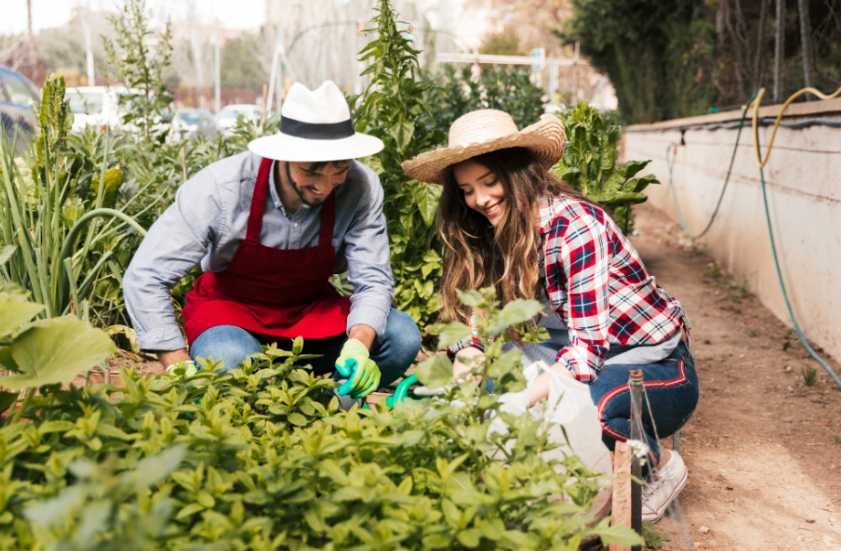
When I first mixed herbs into my vegetable beds, I chose combinations based mainly on appearance and convenience. Some plants thrived, while others competed for water, crowded their neighbors, or spread much farther than expected. I soon learned that companion planting herbs with vegetables works best when I consider growing conditions rather than relying on simple pairing lists.
Herbs can support a productive garden by attracting pollinators, providing shelter for beneficial insects, covering exposed soil, and adding useful diversity. However, no herb can guarantee that pests or diseases will disappear. Successful companion planting combines thoughtful plant selection with proper spacing, watering, crop rotation, and regular garden observation.
What Is Companion Planting?
Companion planting is the practice of growing different plants near one another because their characteristics may be complementary. A tall vegetable might provide afternoon shade for a delicate herb, while a flowering herb may attract insects that pollinate crops or feed on common garden pests.
The most useful combinations share similar sunlight, soil, and watering requirements. They should also have compatible mature sizes and root systems. Pairing plants only because a chart recommends them can create problems when one prefers dry soil and the other needs consistent moisture.
Benefits of Growing Herbs Near Vegetables
Greater Garden Diversity
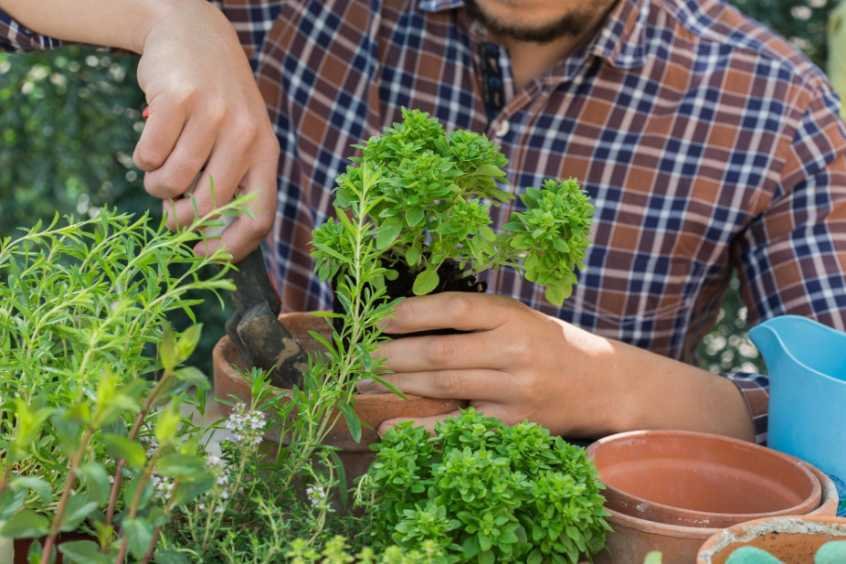
Planting several species in one bed creates a more varied environment than growing a single crop in long rows. Different leaf shapes, heights, flowering times, and scents may make the garden more attractive to pollinators and beneficial insects.
Diversity also allows gardeners to harvest multiple foods from the same growing area. Compact herbs can fill gaps around larger vegetables without requiring a separate herb garden.
Support for Pollinators
Flowering herbs such as dill, cilantro, parsley, thyme, oregano, chives, and basil can attract bees, hoverflies, butterflies, and other insects. Letting a few plants flower may be especially helpful when nearby vegetables need insect pollination.
Cucumbers, squash, melons, and many fruiting crops depend heavily on pollinator activity. Herbs planted near these vegetables can provide additional nectar and pollen throughout the growing season.
Better Use of Space
Low-growing herbs can occupy the soil beneath taller crops. Thyme, oregano, and chives may fit around tomatoes, peppers, eggplants, or trellised vegetables when enough room is left for air circulation.
This layered approach can reduce exposed soil, make small gardens more productive, and create a visually appealing bed. Gardeners should still respect the mature width of every plant rather than filling every available space.
Reliable Herb and Vegetable Pairings
Basil With Tomatoes and Peppers
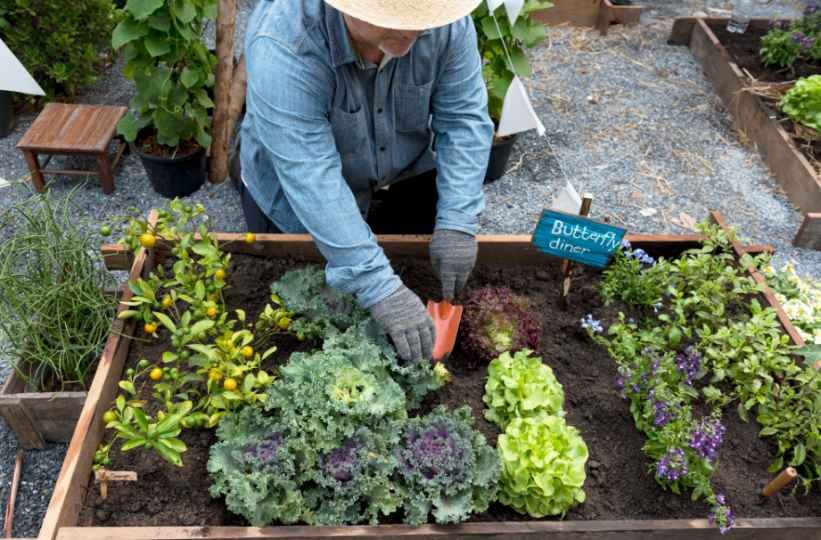
Basil, tomatoes, and peppers enjoy warm temperatures, abundant sunlight, and reasonably consistent moisture. These similar requirements make them practical neighbors in beds and large containers.
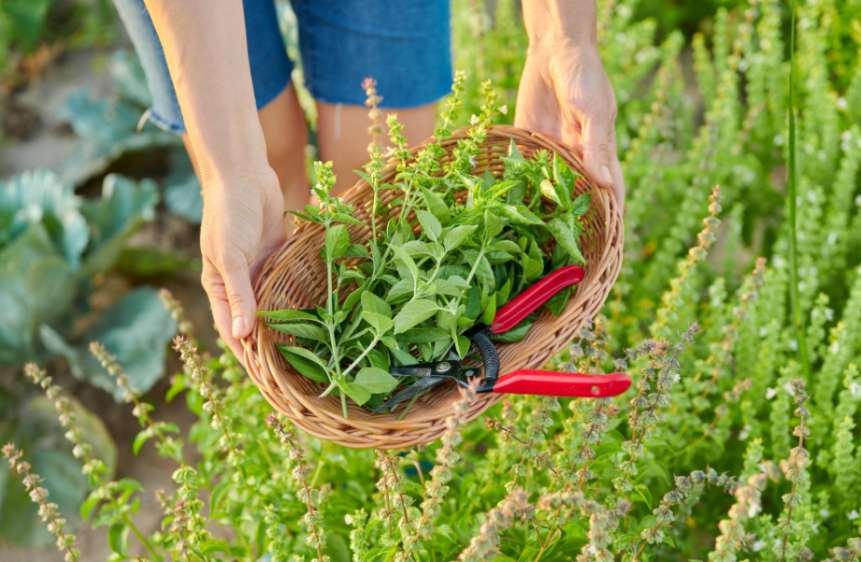
Place basil far enough from tomato stems to prevent crowding. Frequent harvesting keeps basil compact and delays flowering, although allowing one or two plants to bloom can support pollinators.
Dill With Cucumbers and Brassicas
Young dill can grow near cucumbers, cabbage, broccoli, kale, and other vegetables. Its flowers attract small beneficial insects, including hoverflies and parasitic wasps.
Dill becomes tall and airy as it matures, so it works best along the northern side of shorter crops where it will not block sunlight. Gardeners should also prevent unwanted reseeding by removing some flower heads before seeds mature.
Chives With Carrots and Leafy Greens
Chives form narrow clumps that fit easily along the edges of vegetable beds. They can grow near carrots, lettuce, spinach, and other compact crops without creating heavy shade.
Their purple flowers attract pollinators, while the leaves provide repeated harvests. Dividing established clumps every few years helps prevent overcrowding.
Thyme With Cabbage Family Crops
Thyme prefers bright light and fast-draining soil. It can be planted near cabbage, broccoli, cauliflower, and kale when the bed is not kept constantly wet.
Because thyme remains relatively low, it can serve as an attractive border plant. Avoid placing it where large vegetable leaves will completely cover it.
Oregano With Peppers and Eggplants
Oregano tolerates heat and relatively dry conditions once established. It can grow near peppers and eggplants, particularly in warm beds with good drainage.
Regular trimming prevents oregano from spreading into nearby plants. In regions with mild winters, gardeners may prefer growing it in a buried container to control its roots.
Parsley With Tomatoes and Asparagus
Parsley grows well in rich soil with steady moisture. It can occupy spaces near tomatoes or established asparagus beds, provided it receives enough light.
When parsley flowers during its second season, it becomes a useful food source for beneficial insects. Leaving one mature plant in bloom can increase insect activity without sacrificing the entire crop.
Match Plants by Water and Soil Needs
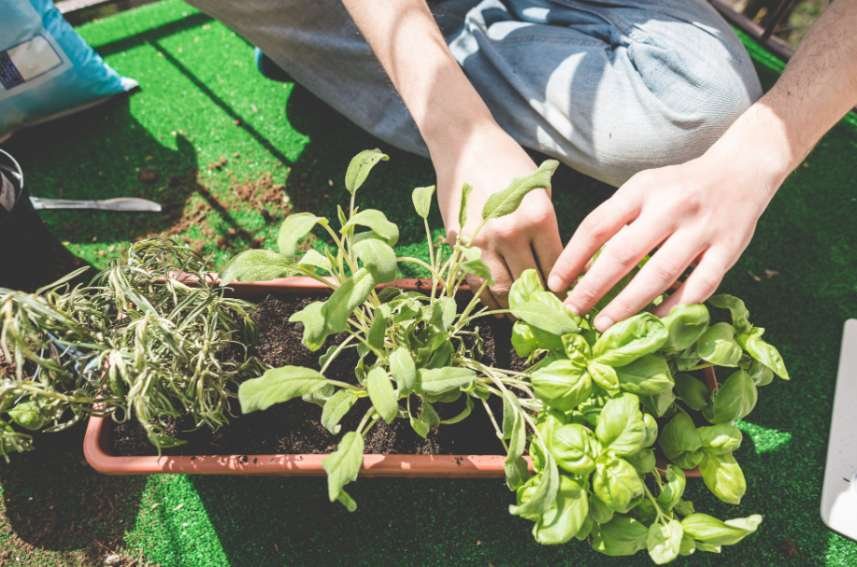
Water compatibility is more important than many popular companion planting claims. Basil and parsley prefer more consistent moisture than rosemary, sage, thyme, and lavender.
Mediterranean herbs can develop root problems in beds watered frequently for thirsty vegetables. Plant these drought-tolerant herbs along dry bed edges, in raised mounds, or in separate containers positioned near the vegetable garden.
Soil fertility matters too. Leafy herbs often appreciate compost-rich soil, while excessive fertilizer can produce weak, overly lush growth in rosemary and thyme.
Consider Height and Root Competition
Tall herbs may shade young vegetables, while aggressive roots can compete for moisture and nutrients. Place dill and mature fennel where their height will not block sunlight from smaller plants.
Root depth can also improve space use. Shallow-rooted herbs may coexist with deeper-rooted vegetables when spacing is generous. However, closely planted crops still compete during hot or dry weather, regardless of root depth.
Herbs That Need Extra Control
Mint
Mint spreads rapidly through underground stems and can overtake vegetable beds. Grow it in a container rather than directly in open garden soil. The pot can sit beside cabbage, kale, broccoli, or patio vegetables without allowing the roots to escape.
Fennel
Fennel is usually easier to manage in its own section of the garden. It becomes large, casts shade, and may interfere with the growth of some nearby plants. Its flowers are valuable to insects, so isolating it does not mean excluding it from the garden.
Rosemary and Sage
These woody herbs dislike constantly wet soil. Avoid placing them beside vegetables that require frequent irrigation unless drainage is excellent and watering can be directed carefully.
Companion Planting in Containers and Raised Beds
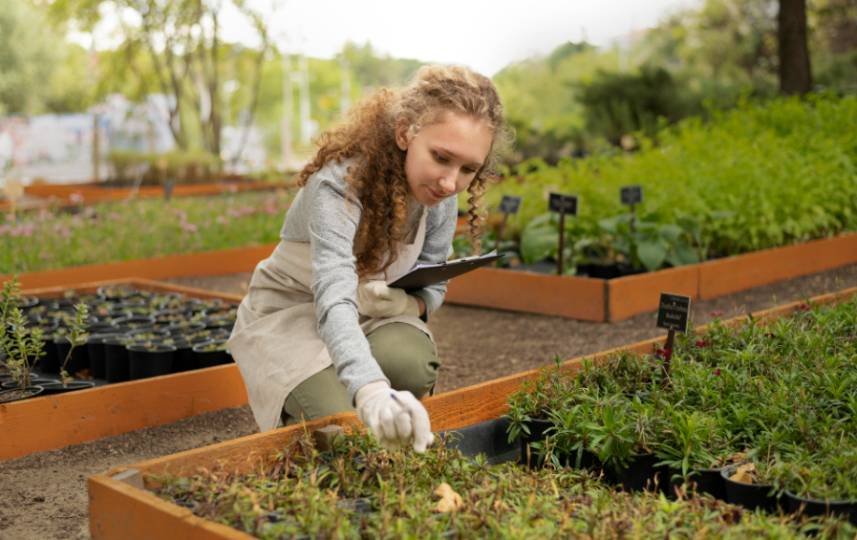
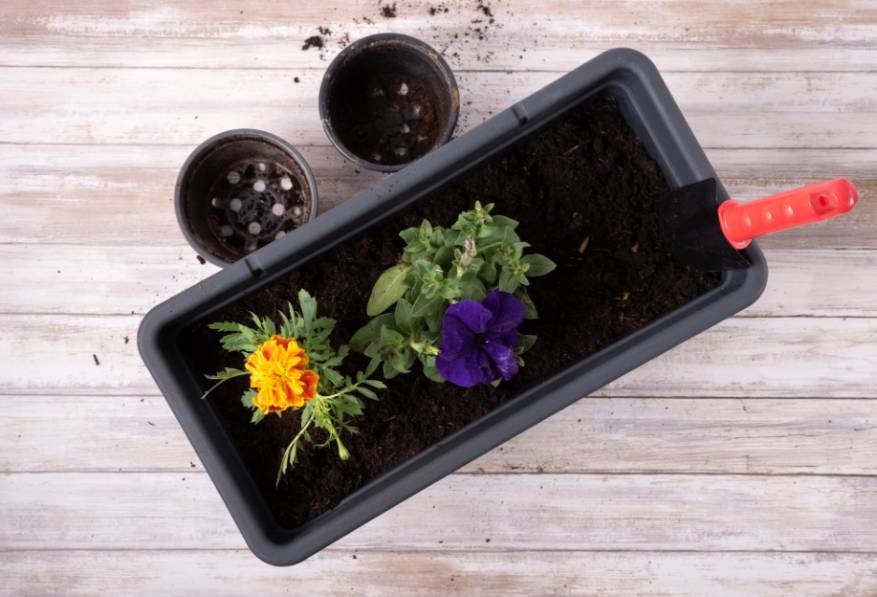
Containers make it easier to control aggressive herbs and separate plants with different moisture requirements. Basil can share a large pot with a compact pepper, while thyme may grow around the edge of a deep tomato container.
Successful container pairings also depend on the growing medium beneath the plants. Using the best soil mix for growing herbs in pots helps maintain drainage, airflow, and moisture levels that support both herbs and compact vegetables sharing the same container.
Raised beds provide good drainage, but gardeners should not overcrowd them. Leave space for mature growth, airflow, harvesting, and inspection. Closely packed leaves can trap humidity and make disease problems harder to notice.
Common Companion Planting Mistakes
One mistake is expecting aromatic herbs to provide complete pest protection. Their presence may influence insect activity, but regular inspection remains necessary.
Another mistake is ignoring mature plant size. A small transplant can become a wide, woody herb or a tall flowering plant within one season.
Gardeners also commonly combine plants with conflicting watering needs. Even traditionally recommended companions may struggle when one plant receives too much or too little water.
Overwatering herbs in crowded beds or containers can also encourage tiny black flies in houseplant soil after watering, especially when moisture remains trapped around the roots.
Improving drainage, allowing the soil surface to dry appropriately, and avoiding excessive irrigation can help reduce this common problem.
Frequently Asked Questions
1. Does companion planting herbs with vegetables prevent every pest?
No. Herbs may support beneficial insects or make a garden more diverse, but they should be combined with inspection, sanitation, barriers, and other pest-management methods.
2. Which herb is easiest to grow beside tomatoes?
Basil is a practical choice because it prefers similar warmth, sunlight, soil fertility, and watering conditions.
3. Should herbs be allowed to flower in a vegetable garden?
Allowing some dill, parsley, cilantro, chives, oregano, or thyme to flower can provide nectar and pollen for beneficial insects.
4. Can several herbs share one vegetable bed?
Yes, provided they have compatible light, moisture, drainage, spacing, and mature-size requirements.
Final Thoughts
I now treat companion planting as a flexible garden-planning method rather than a collection of guaranteed pairings. I begin by matching sunlight, soil moisture, plant height, root behavior, and harvest needs. Then I add flowering herbs where they can support pollinators without crowding vegetables.
The most productive combinations are often the simplest: basil beside peppers, chives around leafy greens, dill near cucumbers, and thyme along a dry bed edge. By observing how each pairing performs and adjusting it from season to season, I can create a diverse garden that is practical, attractive, and easier to manage.