The first time I noticed tiny black flies in houseplant soil after watering, I assumed a few insects had entered through an open window. Then I watered another plant and watched several more flies rise from the potting mix. That was when I realized the problem was coming from the soil itself.
In most cases, these small flying insects are fungus gnats. They thrive in moist potting soil, especially when indoor plants stay wet for too long. Although the adult gnats are mostly annoying, their larvae live beneath the soil surface and may feed on organic matter, fungi, and delicate plant roots.
The good news is that fungus gnats are manageable. The most effective approach is not simply to kill the visible adults. You need to reduce soil moisture, target the larvae, improve drainage, and prevent the next generation from developing.
Why Do Tiny Black Flies Appear After Watering Houseplants?
Watering does not suddenly create the flies. Instead, the water disturbs adult fungus gnats that are resting on the soil surface, around the rim of the pot, or inside drainage areas. As the soil becomes saturated, the insects may crawl upward or fly away from the pot.
Moisture also creates the breeding conditions fungus gnats need. Adult females lay eggs in damp potting mix, where the larvae can feed on fungi, decaying plant material, and fine roots. Learning how to get rid of fungus gnats without harming pets starts with reducing excess moisture and using non-chemical control methods whenever possible.
If small flies consistently rise from the soil whenever you water, the potting mix is probably staying moist for longer than the plant requires.
Several conditions can make the problem worse:
- Watering on a fixed schedule instead of checking the soil
- Using pots without adequate drainage holes
- Allowing water to remain in saucers or decorative planters
- Growing plants in dense, moisture-retaining potting mix
- Bringing home an infested plant or bag of potting soil
- Leaving fallen leaves and organic debris on the soil
Fungus gnats often indicate a moisture-management problem, even when the plant still appears healthy.
How Can I Tell If the Flies Are Fungus Gnats?
Adult fungus gnats are usually about one-eighth of an inch long. They have thin bodies, long legs, dark coloring, and clear or grayish wings. They often resemble tiny mosquitoes, but they are weaker flyers and usually remain close to houseplants.
I usually confirm an infestation by gently tapping the pot or watering the soil. Fungus gnats often run across the potting mix before taking flight. Placing a yellow sticky trap near the soil can also help confirm their presence.
The larvae are more difficult to see. They are small, translucent or whitish, and have dark black heads. They usually live within the top inch or two of moist soil.
Fungus Gnats vs. Fruit Flies: What Is the Difference?
Fungus gnats and fruit flies are easy to confuse, but their behavior differs.
Fungus gnats stay close to plant pots, moist soil, propagation trays, and drainage areas. Fruit flies are more likely to gather around ripe fruit, garbage disposals, recycling bins, and food residue.
Fruit flies also tend to have rounder bodies, while fungus gnats look slender and mosquito-like.
A vinegar trap may catch fruit flies effectively, but it often performs poorly against fungus gnats. Yellow sticky traps placed directly above the potting soil usually work better for monitoring adult fungus gnats.
Are Drain Flies the Same as Fungus Gnats?
Drain flies are not the same insect. They usually have fuzzy, moth-like wings and remain near sinks, floor drains, or plumbing fixtures.
If the flies appear mainly when you disturb houseplant soil, fungus gnats are the more likely explanation.
Are Fungus Gnats Harmful to Indoor Plants?
Adult fungus gnats usually do not damage plants. Their primary role is reproduction, which is why killing adults alone rarely solves the entire problem.
The larvae can create more trouble. They feed mainly on fungi and decaying organic material, but they may also chew on tender roots. Healthy, established houseplants often tolerate a small population without noticeable damage.
Seedlings, cuttings, young plants, and plants with weakened root systems face a greater risk. Heavy infestations may contribute to:
- Slow or stunted growth
- Yellowing leaves
- Wilting despite moist soil
- Weak root development
- Seedling collapse
- Increased vulnerability to root diseases
Even when the larvae cause limited direct harm, constantly damp soil can lead to root rot and poor oxygen flow around the roots. In many cases, the growing conditions that attract fungus gnats are more dangerous than the adult insects themselves.
How Do I Get Rid of Fungus Gnats in Houseplant Soil?
I have found that the fastest results come from combining several methods. Each treatment targets a different part of the fungus gnat lifecycle.
Let the Top Layer of Soil Dry Between Waterings
Fungus gnats need moisture to reproduce. Allowing the upper one or two inches of soil to dry can make the pot less suitable for eggs and larvae.
Before watering, I push my finger into the soil or use a wooden skewer to check the moisture level. If the soil still feels damp, I wait.
However, not every plant tolerates the same level of dryness. Succulents, cacti, snake plants, and ZZ plants can usually dry more thoroughly. Ferns, calatheas, and other moisture-loving plants may need a more cautious approach.
The goal is not to dehydrate the plant. It is to stop keeping the surface continuously wet.
Use Yellow Sticky Traps to Catch Adult Gnats
Yellow sticky traps attract and capture adult fungus gnats before they can lay more eggs. I place the traps horizontally or at a slight angle close to the soil rather than high above the plant.
Sticky traps provide two benefits. They reduce the adult population and help me monitor whether the treatment is working.
However, traps cannot kill the larvae already living in the potting mix. For that reason, they should support a broader treatment plan rather than serve as the only solution.
Treat Fungus Gnat Larvae With BTI
Bacillus thuringiensis israelensis, commonly called BTI, is a naturally occurring bacterium used to control certain fly and mosquito larvae. In the US, it is commonly available in products such as Mosquito Bits and Mosquito Dunks.
When applied according to the product label, BTI can target fungus gnat larvae in the soil without spraying the plant with a broad-spectrum insecticide.
Some growers soak the granules in water and use the strained liquid when watering. Others apply products specifically labeled for soil-dwelling larvae. Because formulations and instructions vary, I always follow the manufacturer’s directions.
Repeated applications may be necessary because BTI targets larvae rather than unhatched eggs or adult flies.
Consider Beneficial Nematodes for Persistent Infestations
Beneficial nematodes, particularly Steinernema feltiae, are microscopic organisms that attack fungus gnat larvae in moist soil.
They can work well in larger indoor plant collections, greenhouses, propagation areas, and infestations that continue despite moisture correction and sticky traps.
The soil must remain within the moisture range recommended for the nematodes to remain active. This treatment may be more expensive than sticky traps or BTI, but it can provide effective biological control.
Improve Pot Drainage and Airflow
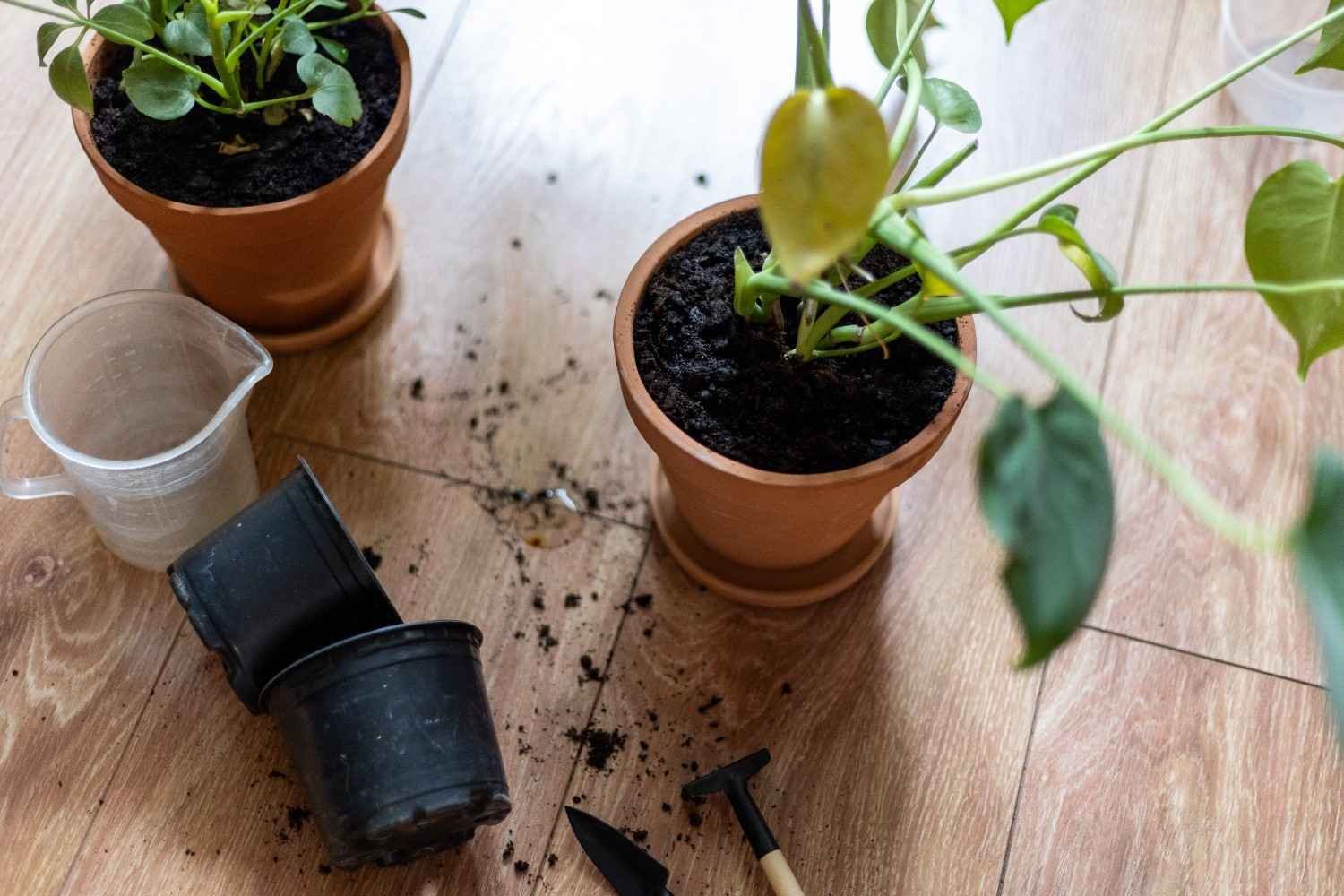
Poor drainage allows potting soil to remain wet long after watering. I check that every container has open drainage holes and that excess water can leave freely.
I also empty saucers and cachepots after watering. A plant should not remain submerged in collected water unless it is a species specifically suited to those conditions.
If the potting mix has become compacted, I may replace it with a better-aerated blend containing ingredients such as perlite, bark, or pumice. Gentle airflow around plants can also help the soil surface dry more evenly.
Does Bottom Watering Prevent Fungus Gnats?
Bottom watering can reduce moisture on the soil surface, where adult fungus gnats often lay eggs. To bottom-water, place the pot in a shallow container of water and allow moisture to move upward through the drainage holes.
Remove the pot once the root zone has absorbed enough water, and allow it to drain fully.
Bottom watering can help, but it is not a complete cure. If the entire pot remains constantly saturated, larvae may still survive deeper in the soil. It works best when combined with proper watering intervals and larval treatment.
Should I Repot a Plant With Fungus Gnats?
Repotting is usually unnecessary for a mild or moderate infestation. Changing the soil can stress the plant, and the new potting mix may become reinfested if watering habits remain unchanged.
I consider repotting when:
- The soil smells sour or rotten
- The roots show signs of decay
- The potting mix remains wet for an unusually long time
- The infestation is severe and other treatments have failed
- The plant is already due for repotting
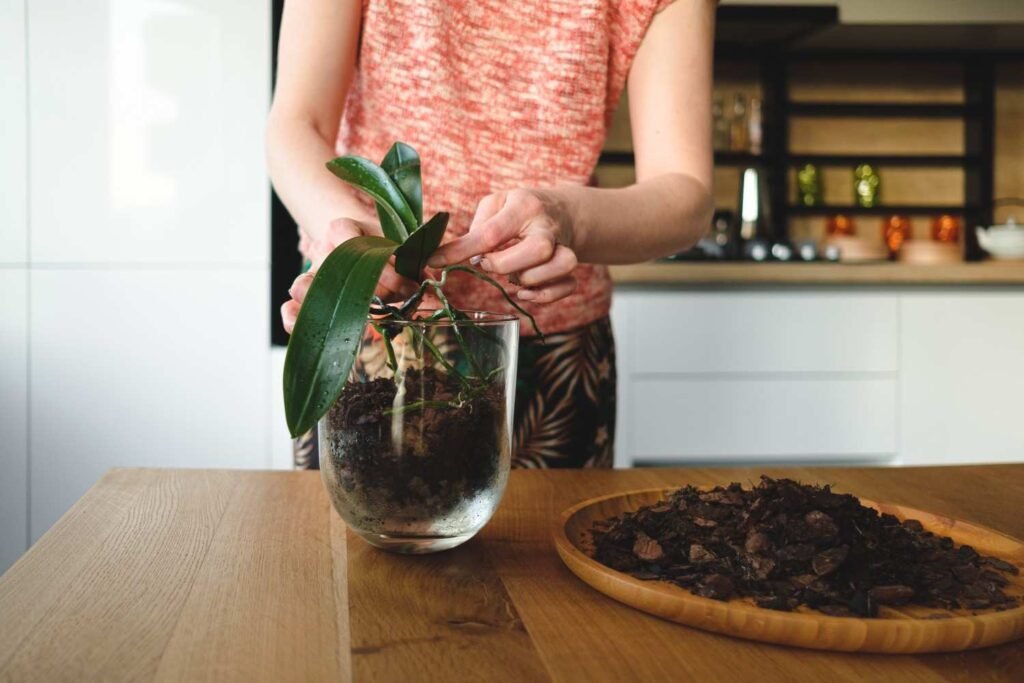
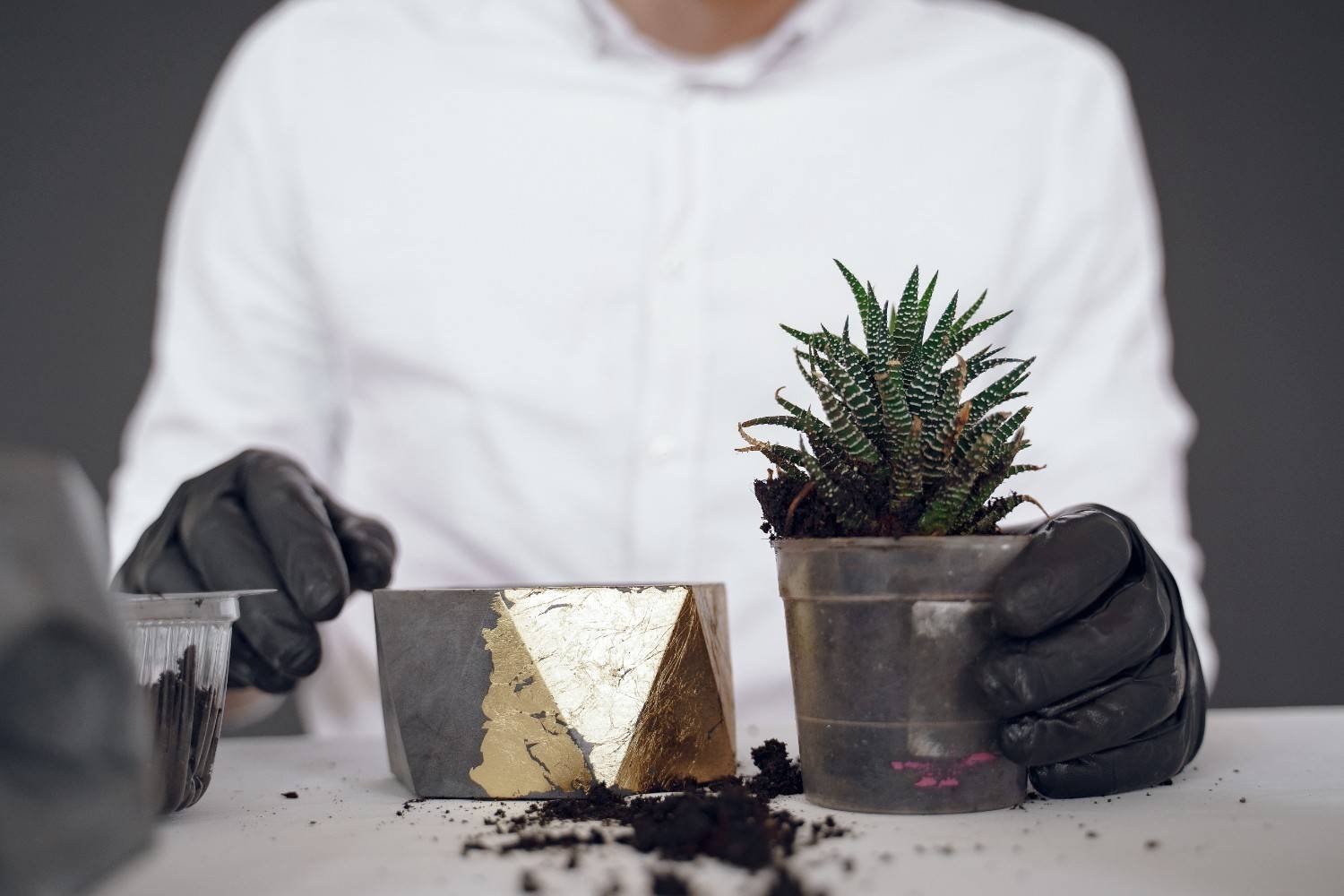
When repotting, I remove as much old soil as practical, inspect damaged roots, clean the container, and use fresh, well-draining potting mix. I also isolate the plant until I am confident the infestation is under control.
Which Fungus Gnat Remedies Often Fail?
Many popular home remedies may catch a few insects or create temporary improvement, but they often fail when used alone.
Apple cider vinegar traps are generally more effective for fruit flies than fungus gnats. Cinnamon may have some antifungal properties, but sprinkling it on the soil rarely eliminates an established infestation. Coffee grounds can retain moisture and may make the potting environment more attractive to gnats.
Hydrogen peroxide drenches are also widely recommended online. Although a diluted solution may kill some larvae on contact, repeated or overly concentrated applications can irritate roots and disrupt soil biology. I prefer moisture control, BTI (Bacillus thuringiensis Israelensis), sticky traps, and improved drainage because they offer a more sustainable strategy.
How Long Does It Take to Eliminate Fungus Gnats?
Most infestations do not disappear overnight. Adult fungus gnats may continue emerging after treatment because eggs, larvae, and pupae are already present in the soil.
I usually expect noticeable improvement within one to two weeks when I consistently combine sticky traps, proper watering, and larval control. A stubborn infestation may require several weeks of treatment.
Continue the routine even after adult numbers decline. Stopping too early can allow the remaining larvae to mature and restart the infestation.
How Can I Prevent Fungus Gnats From Returning?
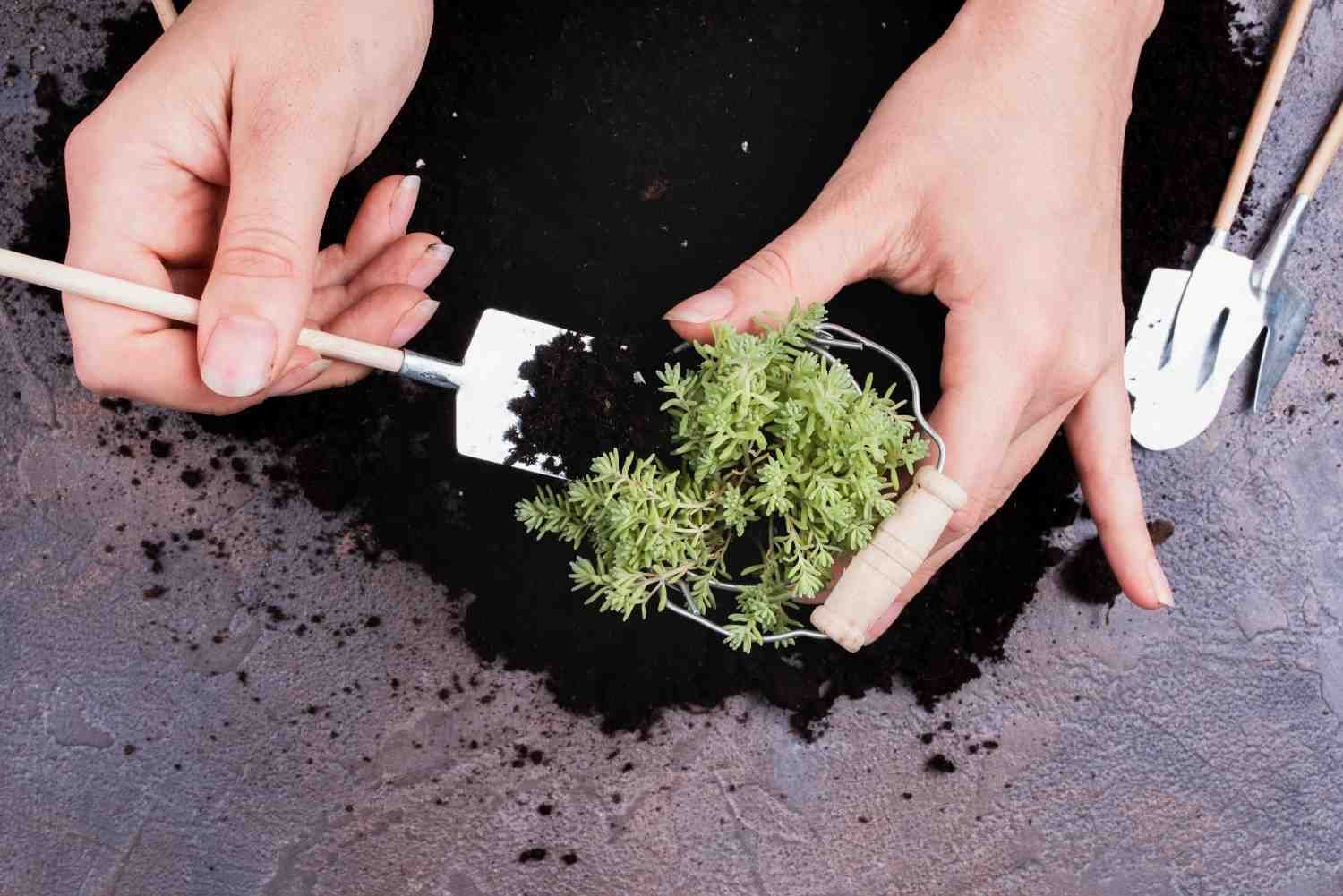
Prevention starts with better moisture management. I check the soil before watering instead of relying on a calendar. I also remove dead leaves, empty drainage trays, and avoid storing open bags of damp potting mix indoors.
New plants should remain separate from the main collection for at least a short observation period. During that time, check the soil, use a sticky trap, and watch for insects after watering.
Clean pots, good drainage, appropriate potting mix, and careful watering provide the strongest long-term defense against black gnats in indoor plants.
Frequently Asked Questions About Tiny Flies in Plant Soil
1. Why do small flies come out of my plant when I water it?
Water disturbs adult fungus gnats resting near the soil and pushes them out of protected spaces. The newly moistened soil also restores the damp conditions they prefer for breeding.
2. Will fungus gnats go away if I stop watering?
Drying the soil can reduce their population, but you should not stop watering long enough to damage the plant. Combine safer watering intervals with traps and larval treatment.
3. Can fungus gnats kill a houseplant?
A small infestation rarely kills a mature plant. Heavy larval populations can damage seedlings, cuttings, and weakened roots, especially when the soil remains waterlogged.
4. Are fungus gnats dangerous to people or pets?
Fungus gnats do not bite people or pets and generally pose little direct health risk. However, always follow product labels when using any pest-control treatment around children and animals.
5. Why do fungus gnats keep coming back?
They often return because the soil remains consistently moist, larvae were not treated, or a nearby plant still contains eggs and larvae. Treat all affected pots and correct the underlying watering conditions.
The Real Fix Starts Beneath the Soil
When I see tiny black flies in houseplant soil after watering, I no longer focus only on the insects flying around the room. I check the soil moisture, drainage, potting mix, and watering routine.
Sticky traps can reduce the adults, but lasting control comes from disrupting the lifecycle below the surface. By allowing the soil to dry appropriately, treating the larvae, improving drainage, and monitoring nearby plants, you can stop fungus gnats without putting unnecessary stress on your houseplants.