I used to think an outdoor space was something you enjoyed only when the weather was perfect. A sunny afternoon meant sitting outside with a coffee, while the rest of the year the patio stayed empty. After spending more time improving my own outdoor setup, I realized the biggest difference wasn’t buying expensive furniture. It was making the space comfortable enough that I actually wanted to use it throughout the year.
That experience changed how I look at outdoor design. The best outdoor spaces don’t wait for a special occasion. They become part of everyday life, whether it’s reading before work, sharing dinner with family, or relaxing after a long day. That’s exactly why outdoor living ideas for modern homes are becoming less about decoration and more about creating spaces people naturally use every season.
Why Outdoor Spaces Are Becoming Everyday Living Areas
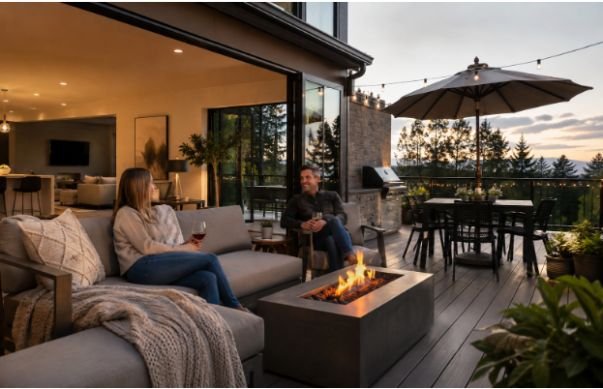
Modern homes are no longer defined by what happens inside four walls. Patios, decks, balconies, and backyards have become extensions of kitchens, living rooms, and dining areas. Instead of treating these spaces as occasional gathering spots, homeowners are designing them to support everyday routines.
The biggest shift isn’t style. It’s functionality. A well-planned outdoor space feels comfortable on a cool evening, remains practical during warmer months, and requires less maintenance throughout the year. That balance makes the investment worthwhile long after the latest design trend disappears.
Create Shelter That Adapts to Changing Weather
One of the smartest improvements is adding flexible overhead coverage instead of relying on permanent shade alone.
Retractable awnings and louvered roof systems allow you to enjoy sunshine when you want it while providing protection from rain or intense afternoon heat. Pergolas paired with adjustable shade panels create a similar effect without making the space feel enclosed.
Large sliding glass doors also help connect indoor and outdoor areas. When opened, they create a seamless transition that makes both spaces feel larger and more inviting.
Using the same stone, porcelain tile, or concrete flooring inside and outside further strengthens that connection. Continuous flooring creates visual flow while making movement between spaces feel effortless.
Design Separate Areas for Different Activities
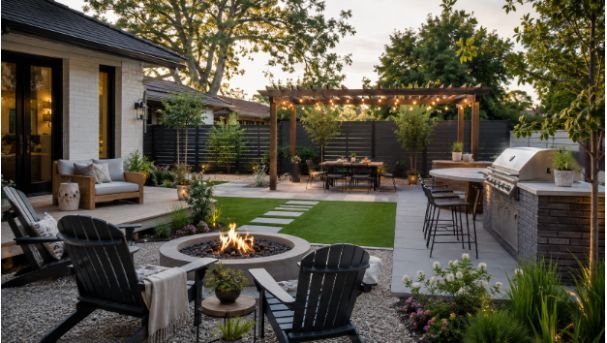
Outdoor spaces work better when every section has a purpose.
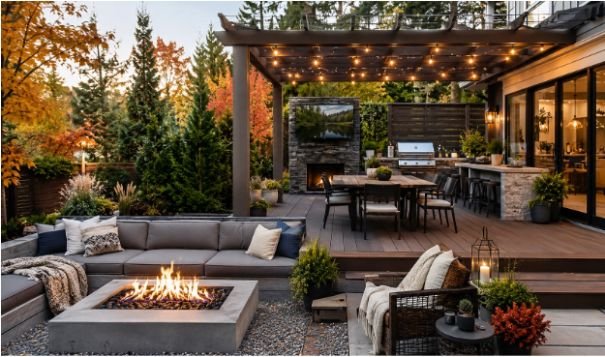
Rather than placing furniture randomly across a patio, divide the area into practical zones. A dining area near the grill, a comfortable seating space for conversation, and a quiet corner for reading or morning coffee all encourage people to use the space more often.
This approach also makes smaller yards feel organized instead of crowded. Even compact patios benefit from thoughtful layouts that improve movement and reduce clutter.
Choose Materials Built for Every Season
Beautiful furniture doesn’t stay beautiful if it can’t handle changing weather.
Powder-coated aluminum frames resist rust while remaining lightweight enough to rearrange when needed. Teak continues to be a favorite because it naturally handles moisture, sunlight, and temperature changes without losing its character.
Performance fabrics have also improved dramatically. Quick-drying foam cushions wrapped in UV-resistant, water-resistant covers stay comfortable while requiring far less maintenance than traditional outdoor cushions.
When selecting outdoor furniture, think about long-term value rather than short-term appearance. Durable materials often deliver a better cost-per-wear over many years of daily use.
Make Comfort a Priority All Year
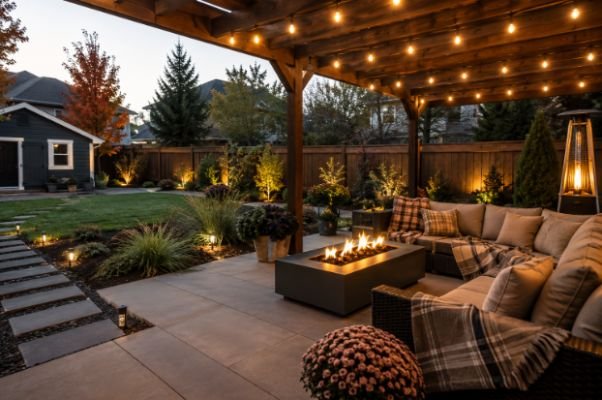
A comfortable outdoor space isn’t reserved for summer.
Built-in fire tables provide both warmth and a natural gathering point during cooler evenings. Infrared patio heaters are another practical option because they warm people directly instead of heating the surrounding air, making them effective even when there’s a light breeze.
Layered outdoor lighting also extends the usability of a space. Soft pathway lighting improves safety, overhead fixtures brighten dining areas, and accent lighting highlights landscaping without creating harsh glare.
Small additions like outdoor rugs, weather-resistant throws, and side tables make the space feel as welcoming as an indoor living room.
Bring Nature Into the Design
Plants often determine whether an outdoor space feels complete. Thoughtfully chosen greenery helps create outdoor spaces that improve wellbeing through nature, light, and simple design, making gardens and patios more inviting, calming, and enjoyable year-round
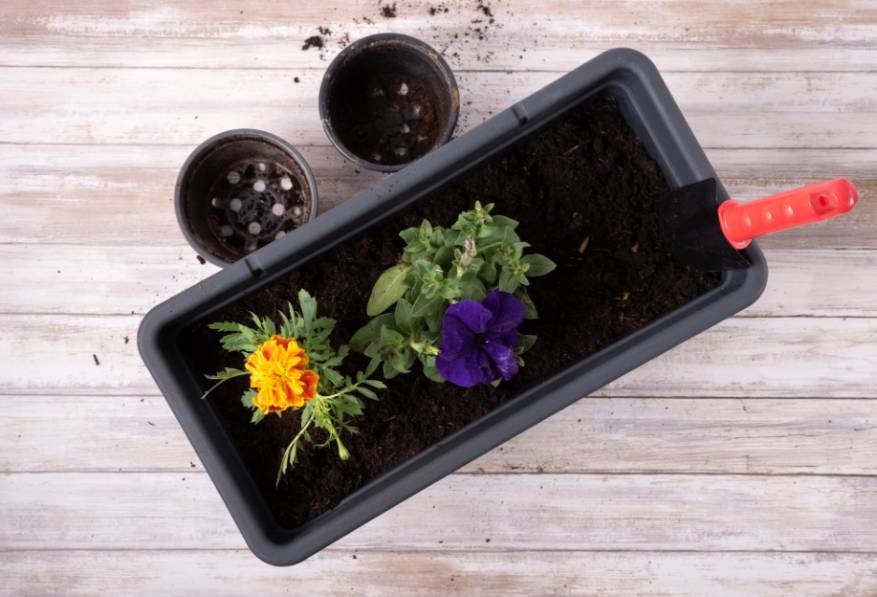
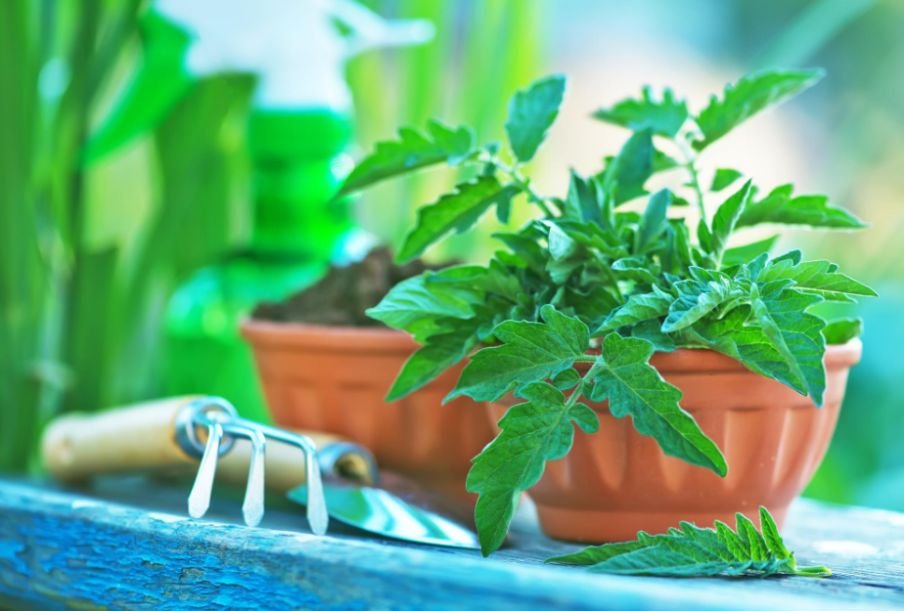
Instead of relying only on seasonal flowers, include evergreen shrubs, ornamental grasses, and container plants that provide structure throughout the year. They maintain color and texture while requiring relatively little maintenance.
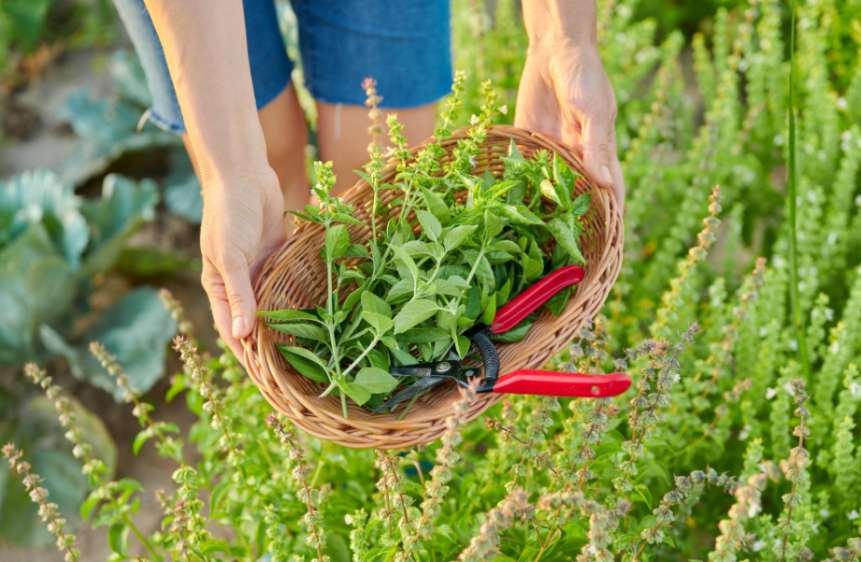
Native plants are another smart choice because they’re naturally adapted to local growing conditions. They generally require less water, support local pollinators, and reduce the amount of ongoing care needed.
Combining greenery with natural materials such as wood, stone, and gravel creates a balanced landscape that remains attractive regardless of the season.
Think Beyond Entertaining
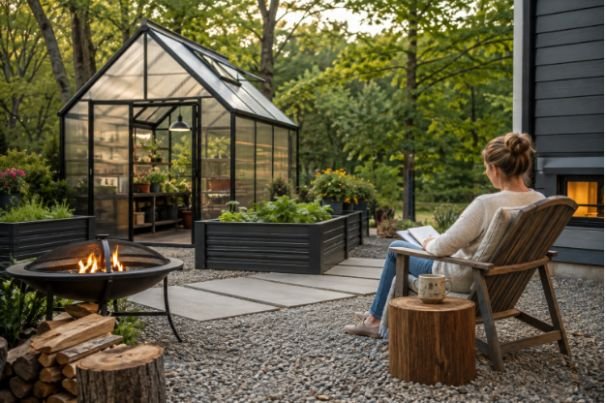
Many outdoor spaces are designed around hosting guests a few times each year. In reality, they’re far more valuable when they support everyday life.
A comfortable chair for reading, a small table for working outdoors, or a quiet place to enjoy breakfast often brings more value than oversized seating arrangements that rarely get used.
The most successful outdoor living ideas for modern homes focus on daily habits instead of occasional events. When a space fits naturally into your routine, it becomes one of the most enjoyable parts of the home.
FAQs: Outdoor Living Ideas for Modern Homes That Work in Every Season
How can I make an outdoor space comfortable year-round?
Use adjustable shade, weather-resistant furniture, outdoor heating, layered lighting, and durable materials that perform well through changing seasons.
What furniture lasts longest outdoors?
Powder-coated aluminum, teak, and high-quality synthetic wicker paired with UV-resistant performance fabrics are among the most durable choices.
Do small outdoor spaces benefit from zoning?
Yes. Creating separate areas for dining, relaxing, or gardening improves functionality without making the space feel crowded.
Which plants work well throughout the year?
Evergreen shrubs, ornamental grasses, native plants, and container gardens provide lasting structure, require less maintenance, and keep outdoor spaces looking attractive across multiple seasons.
A Backyard That Grows With Everyday Life
The best outdoor spaces aren’t the ones with the biggest budgets or the newest furniture. They’re the ones people actually use. A few thoughtful improvements, durable materials, comfortable seating, and practical layouts often make a bigger difference than a complete renovation. As lifestyles continue to evolve, outdoor areas are becoming places where everyday moments happen instead of spaces reserved for weekends or special occasions.
When an outdoor space feels inviting in every season, it naturally becomes another room you’ll never want to leave.