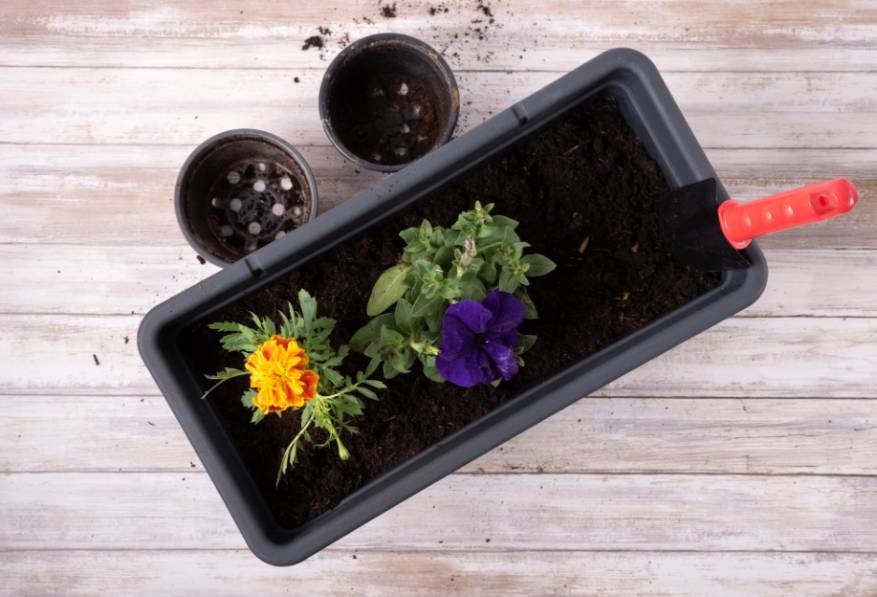
I used to think a relaxing outdoor space meant having a big backyard with expensive landscaping. Then I spent a few weekends making small changes to a neglected corner outside my home. I added a comfortable chair, moved a few planters into better sunlight, and started having my morning coffee there instead of indoors. It wasn’t a dramatic makeover, but I noticed I was spending more time outside without even planning to.
That experience made me realize something simple. The outdoor spaces that improve wellbeing aren’t always the largest or the most beautiful. They’re the ones that make you want to slow down, breathe a little deeper, and enjoy being present. A thoughtfully designed patio, balcony, or backyard can become part of your daily routine, offering a quiet escape from busy schedules and endless screen time.
Why Outdoor Spaces Feel Better When They’re Designed With Purpose
Stepping outside has always been a natural way to recharge, but the design of that space plays a bigger role than many people realize. Fresh air and greenery certainly help, yet comfort, sunlight, and simplicity often determine whether people actually spend time outdoors.
That’s why more homeowners are paying attention to biophilic design, a concept that brings people closer to nature through plants, natural materials, and calming outdoor environments. Instead of filling every corner with decorations, the focus is shifting toward creating outdoor living spaces that feel open, peaceful, and easy to enjoy every day.
Let Nature Become Part of the Experience
Plants do more than add color. They create movement, attract birds and pollinators, soften hard surfaces, and make outdoor areas feel alive.
Native plants are especially valuable because they thrive in local conditions with less maintenance while supporting nearby wildlife. Mixing flowering plants with fragrant herbs and ornamental grasses creates a sensory experience that changes throughout the seasons.
Even something as simple as a birdbath or a small fountain can transform the atmosphere. The gentle sound of moving water helps soften background noise, making the space feel calmer without requiring a major investment.
Make Natural Light Work in Your Favor
Natural light affects both mood and energy levels, which is why thoughtful placement matters.
Before adding furniture or garden features, spend a few days noticing how sunlight moves across the yard. This simple form of sun mapping helps identify comfortable spots for morning coffee, afternoon reading, or evening conversations.
If intense afternoon sun becomes uncomfortable, filtered shade often works better than blocking light completely. Pergolas, climbing plants, or trees with open canopies allow sunlight to pass through while reducing glare and excess heat.
As daylight fades, warm outdoor lighting helps extend the usability of the space. Soft LED pathway lights or lantern-style fixtures create a welcoming atmosphere without overwhelming the landscape.
Simplicity Creates a Greater Sense of Calm
Many outdoor spaces become crowded because people feel every corner needs decoration. In reality, empty space often has just as much value as the features surrounding it.
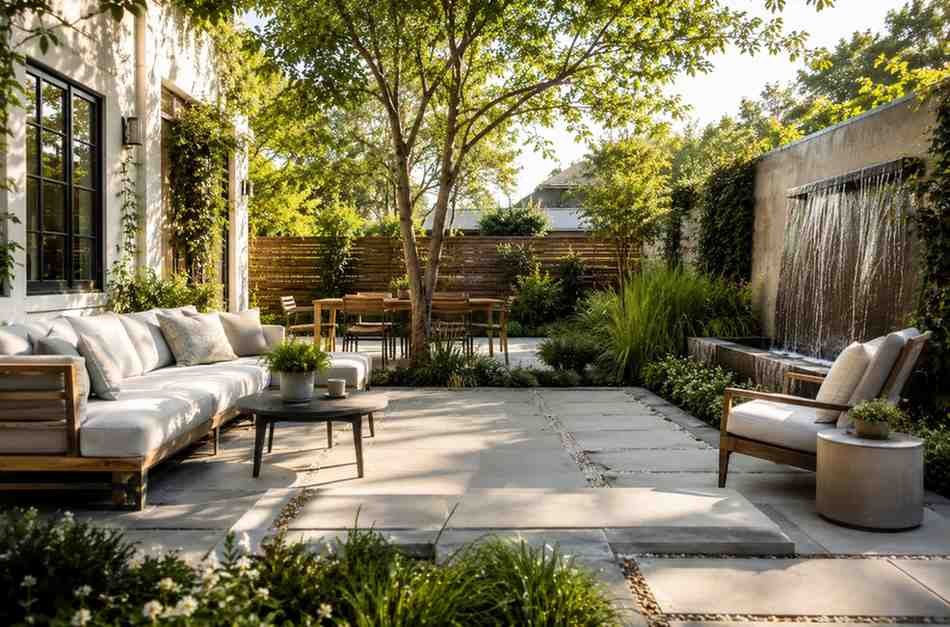
Simple pathways, clean planting beds, and uncluttered seating areas create a more relaxing environment because the eye isn’t constantly distracted. Hidden storage for cushions, gardening tools, and accessories also keeps the space feeling organized throughout the year.
Minimalist design doesn’t mean the death of individualism or removing personality. It simply means allowing each element to serve a purpose instead of competing for attention.
Choose Materials That Feel Comfortable Every Day
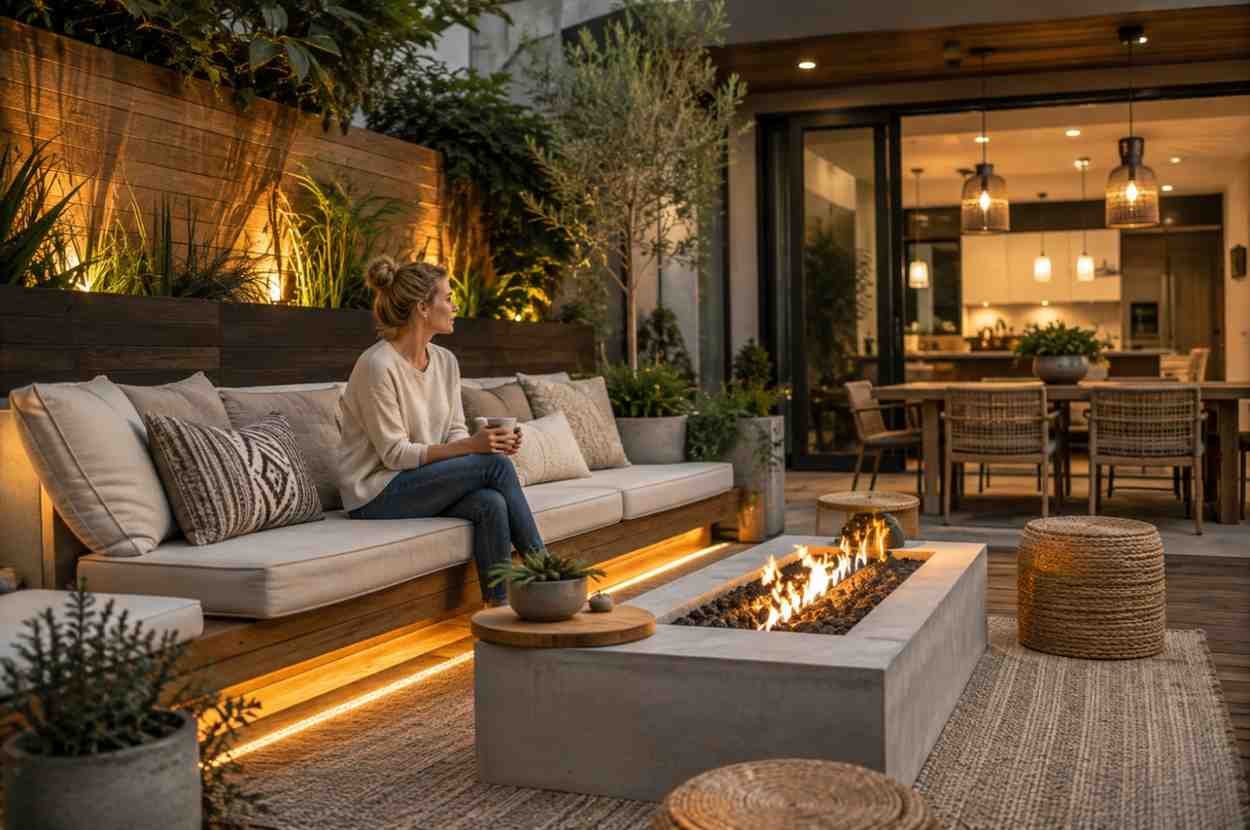
The materials used outdoors influence more than appearance. They also shape how the space feels throughout the day.
Natural wood brings warmth to decks, seating, and privacy screens while blending effortlessly with surrounding greenery. Light-colored stone reflects sunlight instead of absorbing excessive heat, making patios more comfortable during warmer months.
Gravel and small pebbles offer another subtle benefit. The gentle sound beneath your feet creates a quiet sensory experience that encourages slower movement and mindfulness while walking through the garden.
These details may seem small individually, but together they create an environment that feels noticeably more inviting.
Create Spaces That Match Everyday Life
The most successful outdoor spaces are designed around real habits instead of occasional gatherings.
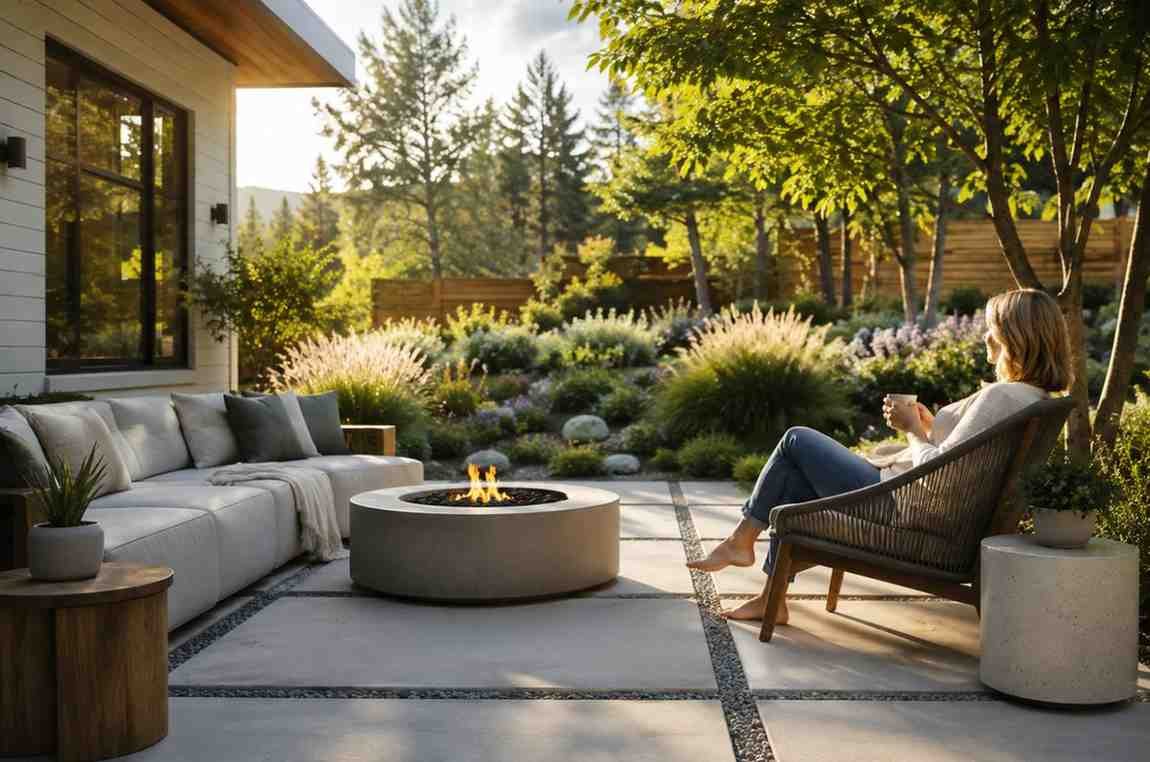
A quiet reading corner beneath a tree, a shaded deck for stretching before work, or a flexible seating area around a fire pit all encourage people to spend more time outdoors. Rather than serving one purpose, these areas naturally adapt throughout the day.
If you’re planning a space focused on relaxation and nature, exploring ideas for an outdoor wellness garden can help you combine greenery, comfortable seating, and peaceful surroundings into one cohesive design that you’ll actually use.
Small Outdoor Areas Can Have a Big Impact
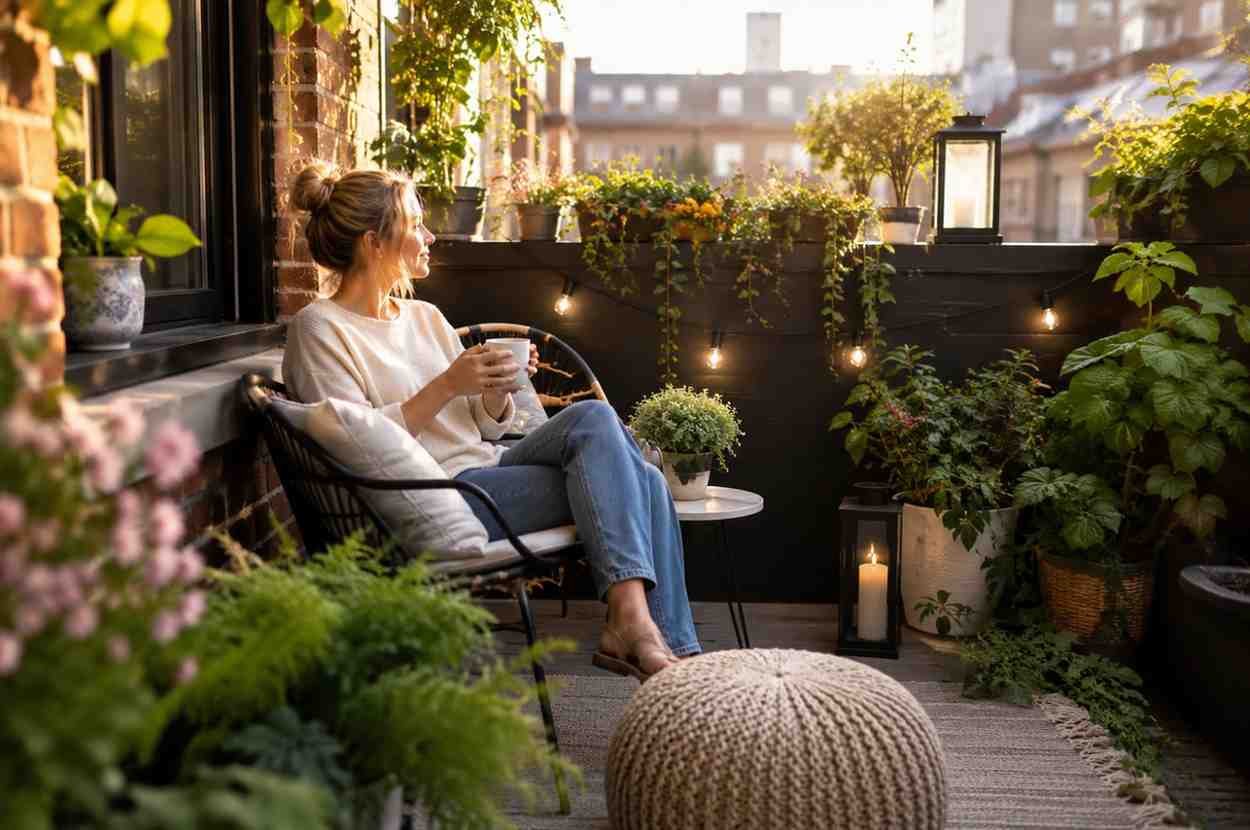
A large backyard isn’t necessary to create an outdoor retreat.
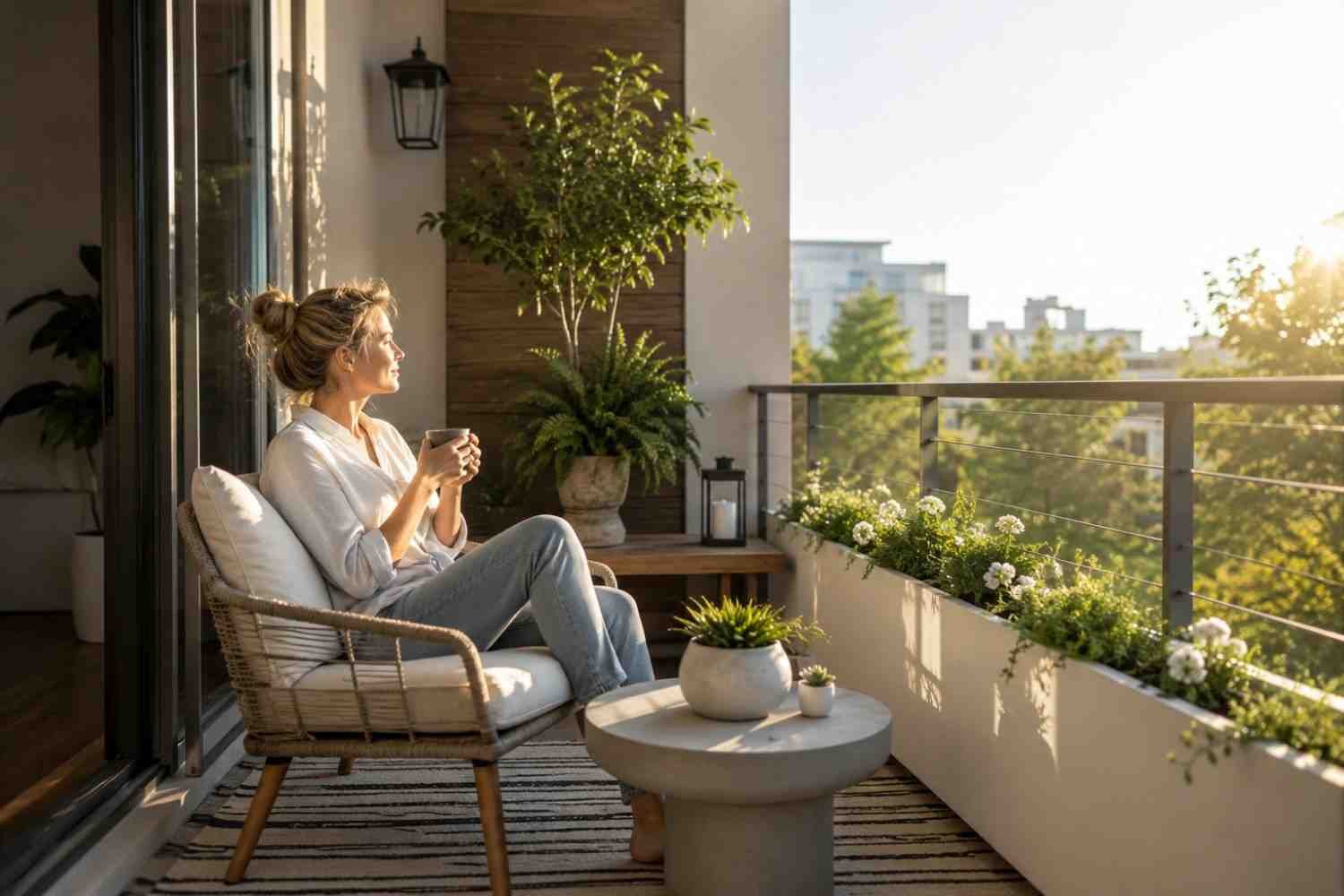
Balconies can become peaceful morning coffee spots with comfortable seating and container plants. Small patios benefit from vertical gardens, while compact yards often feel larger by keeping layouts open and uncluttered.
The goal isn’t to fit more into the available space. It’s to make the existing space feel welcoming so that spending time outdoors becomes part of everyday life instead of an occasional event.
FAQs: Outdoor Spaces That Improve Wellbeing Through Nature, Light, and Simple Design
1. Can a small patio improve wellbeing?
Yes. Comfortable seating, natural light, greenery, and a quiet atmosphere can make even a compact patio feel restorative and encourage more time outdoors.
2. What plants work best for a wellness-focused outdoor space?
Native plants, fragrant herbs, ornamental grasses, and pollinator-friendly flowers are excellent choices because they support biodiversity while adding texture and seasonal interest.
3. Why is natural light important in outdoor design?
Natural light helps regulate daily rhythms, supports vitamin D production, and creates brighter, more inviting spaces that people naturally enjoy using throughout the day.
4. Do outdoor wellness spaces have to be expensive?
Not at all. Rearranging furniture, adding plants, improving lighting, and reducing clutter often create meaningful improvements without requiring a large budget.
The Spaces We Return to Are the Ones That Matter Most
The outdoor spaces that improve wellbeing aren’t remembered because they follow the latest design trend. They’re the places where people naturally slow down, enjoy fresh air, reconnect with nature, and build simple routines that make everyday life feel a little lighter. Whether it’s a balcony filled with plants or a backyard designed for quiet mornings, the real value comes from creating a space that feels inviting enough to use again and again.
Sometimes the smallest changes outside your home make the biggest difference inside your day.