A small edible garden once turned into a daily round of watering, weeding, tying stems, and checking leaves for pests. That experience taught me that planning matters more than garden size. These low maintenance edible garden ideas use perennial crops, hardy herbs, efficient layouts, and simple watering systems to produce useful harvests without constant attention.
A low-effort garden is carefully designed so plants suit the climate, water reaches roots efficiently, weeds remain covered, and every crop earns its place.
Key Takeaways
- Start with a growing area that matches your available time.
- Choose perennial crops and repeat-harvest vegetables.
- Use raised beds, mulch, and drip irrigation.
- Group plants with similar growing needs.
- Grow foods you regularly cook and enjoy.
Plant Once And Harvest For Years
Perennial edibles return for several seasons, reducing yearly planting and soil preparation. They need patience while establishing, but mature plants often produce reliably with basic seasonal care.
Rhubarb For Long Harvests
Rhubarb develops decorative leaves and colorful edible stalks. A healthy crown can remain productive for years in a cool climate with fertile, well-drained soil for indoor herb garden. Give each plant enough room because mature clumps spread widely.
Harvest only the stalks because the leaves are not edible. Avoid heavy harvesting during the first year, then add compost each spring to support growth.
Blueberries As Edible Hedges
Blueberries combine ornamental value with dependable fruit. Their flowers, berries, and fall color allow them to replace ordinary shrubs along sunny boundaries.
They need acidic soil, steady moisture, and varieties suited to local winters. Two compatible cultivars may improve pollination. Mulch protects their shallow roots and helps maintain moisture.
Asparagus For Spring Picking
Asparagus returns each spring from established crowns. It prefers full sun and well-drained soil, so choose a permanent bed carefully.
Limit harvesting during the first two seasons. Later, pick spears for several weeks, then let the remaining growth develop into ferns that recharge the roots.
Tough Herbs With Little Fuss
Woody culinary herbs provide flavor, fragrance, flowers, and structure. Most prefer strong sun and fast-draining soil rather than frequent watering or rich fertilizer.
Rosemary And Thyme
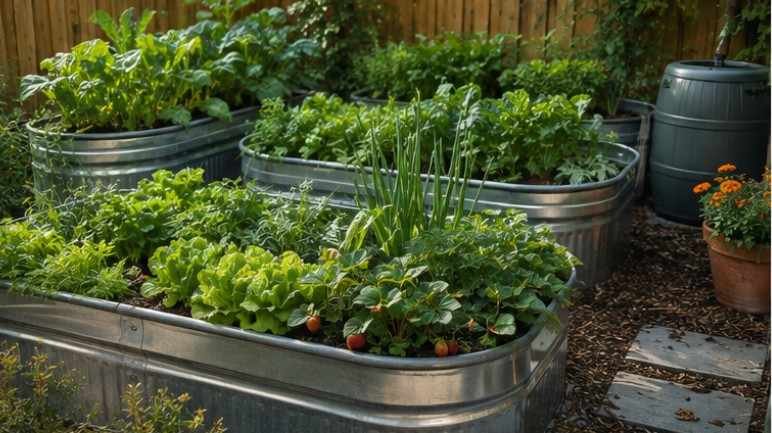
Rosemary and thyme tolerate dry periods once established. Grow them in raised beds, gravelly borders, or containers with drainage holes. In cold regions, keep rosemary in a movable pot and protect it during freezing weather.
Sage And Oregano
Sage forms a rounded plant, while oregano spreads along sunny bed edges. Both tolerate occasional neglect after their roots settle.
Trim them after flowering to encourage compact growth. Divide oregano when it begins crowding nearby crops.
Chives For Neat Clumps
Chives form tidy clumps and produce edible shoots followed by purple flowers. They fit beside paths, around raised beds, or in containers near the kitchen.
Cut leaves near the base and let fresh shoots return. Divide crowded clumps every few years to maintain growth.
Clever Layouts That Save Work
A practical layout reduces walking, reaching, and mismatched care. Keep frequently harvested herbs near the house and leave enough space between plants for airflow.
Edible Hedges Along Boundaries
Rows of blueberries, currants, rosemary, or compact fruit bushes can define paths and property edges while producing food.
Choose plants for the local climate and mature size. Run drip tubing beneath mulch to water the entire row efficiently.
Creeping Thyme Ground Cover
Creeping thyme grows between stepping stones and along sunny paths. Its low growth shades bare soil, discourages some weeds, and softens hard surfaces. Use it where foot traffic is light and drainage is good.
Raised Beds For Easy Reach
Raised beds create defined growing zones, improve access, and allow control over soil quality. Narrow beds keep plants within easy reach, while taller beds reduce bending.
Add compost, mulch, and drip tubing before plants become large. Check moisture regularly because raised soil can dry faster than ground-level beds.
Easy Watering And Soil Care
A simple watering system and covered soil can save more time than choosing an easy crop. They prevent repeated hand watering and support steadier growth.
Use Self-Watering Containers
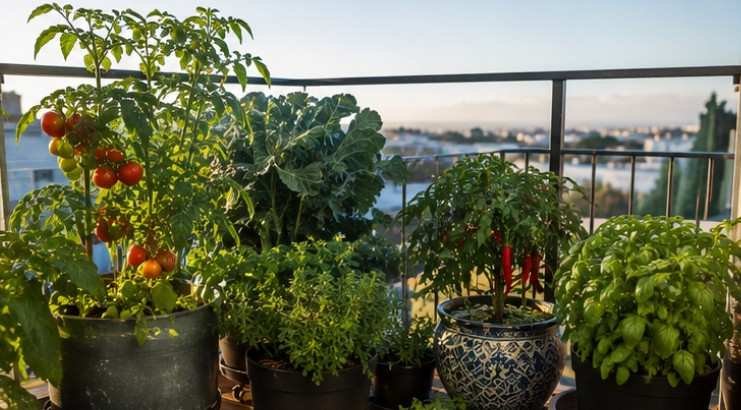
Self-watering containers hold a reservoir below the potting mix. Roots draw moisture upward, reducing rapid drying during warm weather.
They suit basil, parsley, peppers, lettuce, and compact tomatoes. Check reservoirs during hot weather and refresh old potting mix between seasons.
Add Mulch Around Plants
Spread two to three inches of straw, shredded leaves, or untreated wood chips around established plants. Keep mulch away from stems.
Mulch slows evaporation, blocks many weeds, reduces temperature swings, and protects the soil surface.
How To Use Low Maintenance Edible Garden Ideas
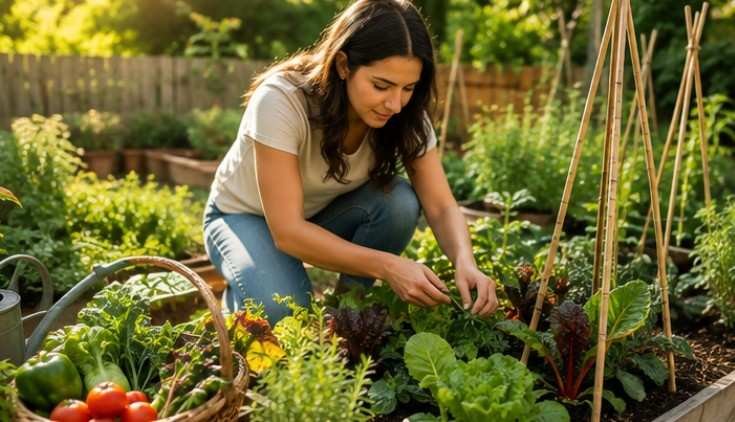
Applying low maintenance edible garden ideas starts with a small sunny location near water. Measure the space, note the hours of direct light, and choose containers, a raised bed, or an edible border.
List the foods your household uses, then select three to six dependable plants with similar needs. Combine perennial herbs with repeat-harvest greens and install drip irrigation or self-watering containers before planting.
Cover open soil with mulch, label perennial crops, and inspect the garden briefly each week. Harvest regularly, remove damaged leaves, and expand only when the first area remains manageable.
Common Problems To Avoid
Low-effort gardens become demanding when too many crops share a small area. Crowding restricts airflow, increases competition, and makes pest inspection harder.
Avoid large vining crops unless there is enough room and support. Indeterminate tomatoes, melons, and sprawling squash usually require more tying, feeding, training, and harvesting.
Read plant labels and plan for mature size. Compact, bush, patio, and dwarf varieties are usually easier in small beds and containers.
Frequently Asked Questions
1. What Are The Best Low Maintenance Edible Garden Ideas For Beginners?
The best low maintenance edible garden ideas include a three-pot herb garden, one mulched raised bed, self-watering containers, and perennial herbs planted near the kitchen.
2. Which Edible Plants Return Every Year?
Asparagus, rhubarb, blueberries, strawberries, chives, oregano, thyme, sage, sorrel, and suitable fruit bushes return for years when matched to local soil and climate.
3. Are Raised Beds Easier To Maintain?
Raised beds can reduce bending, improve drainage, control soil quality, and limit spreading weeds, especially when combined with mulch and timer-controlled drip irrigation.
4. How Much Weekly Care Does A Small Garden Need?
A small mulched garden with automated watering may need fifteen to thirty minutes of weekly care, although harvesting, weather, pests, and plant choice affect the total.
Grow More And Fuss Less
The best low maintenance edible garden ideas depend on thoughtful choices rather than neglect. Perennial crops, hardy herbs, edible hedges, raised beds, mulch, and efficient watering reduce repetitive work while keeping harvests useful. Start with one manageable space, match plants to your climate, and grow foods you enjoy. A simple garden should make fresh eating easier, more rewarding, and much less stressful.