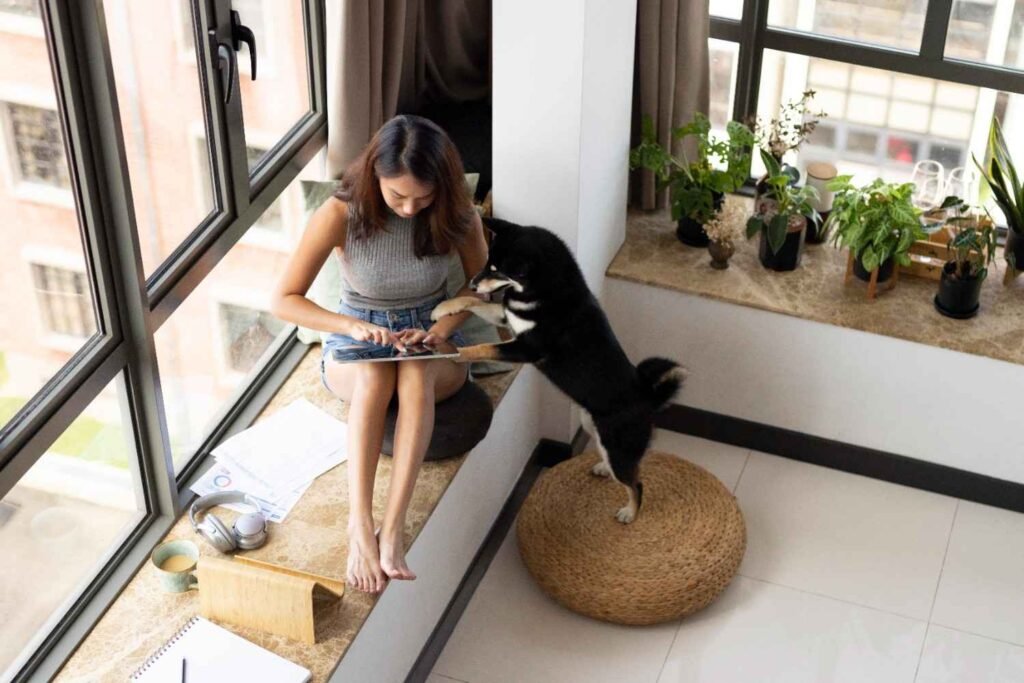
A north-facing apartment can feel like a difficult place to grow anything green. The light is soft, direct sun is almost nonexistent, and many popular indoor plants quickly become weak or leggy. I used to think that meant settling for artificial plants, but the right varieties can make even a shaded room feel fresh and alive.
The best houseplants for apartments with north-facing windows do not need intense sunlight to stay attractive. They thrive in gentle indirect light, adapt well to smaller spaces, and fit easily on shelves, windowsills, or in narrow corners. With the right plant and a few simple care adjustments, a dim apartment can still become a healthy, stylish indoor garden.
What Light Do North-Facing Apartment Windows Receive?
In the Northern Hemisphere, north-facing windows generally receive the least intense natural daylight. They provide soft, indirect light throughout much of the day without exposing leaves to harsh afternoon sun.
However, window direction tells only part of the story. A large window in an upper-floor Chicago apartment may receive more usable light than a small window blocked by neighboring buildings in New York City. Trees, balconies, window screens, tinted glass, and seasonal changes can also reduce light levels. Indoor conditions matter too, especially when choosing houseplants that tolerate dry air from heating during colder months.
I recommend observing the room at midday. If you can read comfortably without switching on a lamp, you probably have enough natural light for several shade-tolerant houseplants. If the room remains gloomy, position plants directly beside the glass or use a compact LED grow light.
Which Low-Maintenance Plants Handle North-Facing Windows?
ZZ Plant for Dark Apartment Corners
The ZZ plant, or Zamioculcas zamiifolia, is one of the most dependable low-light apartment plants. Its waxy, deep green leaves store moisture efficiently, allowing it to tolerate occasional missed waterings.
Place it near the window, but let the potting mix dry substantially before watering again. Growth may slow in dim conditions, yet the plant can retain its attractive structure for years. Because ZZ plants can irritate pets when chewed, keep them away from curious cats and dogs.
Snake Plant for Narrow Spaces
The snake plant has tall, architectural leaves that grow upward instead of spreading across valuable floor space. This makes it especially useful beside a couch, desk, dresser, or apartment entryway.
Its thick leaves store water, so the soil should dry completely or almost completely between waterings. Snake plants tolerate low light, although brighter indirect light encourages faster growth and stronger leaf patterns. Green varieties usually perform better in dim rooms than heavily variegated ones.
Cast Iron Plant for Deep Shade
The cast iron plant lives up to its durable name. It handles fluctuating indoor temperatures, inconsistent care, and deep shade better than many decorative plants.
Its broad, dark green leaves create a fuller appearance than the upright leaves of a snake plant. It also grows slowly, so it will not quickly overwhelm a small living room. Keep the soil lightly moist but never soggy, and avoid exposing the plant to strong direct sunlight.
Which Trailing Plants Work Near a North Window?
Pothos for Bookshelves and Hanging Baskets
Pothos works beautifully in apartments because its vines can cascade from shelves, cabinets, or hanging baskets. Positioning it near the window lets the leaves capture more of the available sky exposure without using floor space.
Golden pothos and Jade pothos usually adapt better to low light than highly variegated varieties. In a dim room, pale patterns may fade because the plant produces more green tissue to absorb light. Growth may also slow, so trim long, sparse vines to encourage a fuller appearance.
Pothos can irritate the mouth and digestive system if a pet chews it. Use a secure hanging planter rather than assuming a high shelf will remain inaccessible.
Heartleaf Philodendron for Easy Climbing Growth
Heartleaf philodendron produces elegant, heart-shaped leaves and reliably handles lower light. You can let it trail from a shelf or guide the vines up a small trellis or moss pole.
Place it reasonably close to the window. Long gaps between leaves or vines stretching toward the glass often indicate that the plant needs more light. Water only after the upper layer of potting mix begins to dry.
Which Pet-Friendly Plants Suit North-Facing Apartments?
Parlor Palm for a Soft Tropical Look
The parlor palm is a practical pet-friendly floor plant for low to moderate indirect light. Its feathery fronds create height and movement without requiring direct sun.
It grows slowly indoors and usually maintains a manageable apartment size. Protect it from heating vents and cold air-conditioning drafts. Brown leaf tips may indicate dry air, irregular watering, or mineral buildup from tap water.
Spider Plant for Hanging Displays
Spider plants adapt well to gentle indirect light and produce arching leaves that look attractive in hanging baskets. Mature plants may also develop small plantlets that you can propagate.
They are generally considered safe around cats and dogs, although pets may still damage the foliage. Keep the soil lightly moist during active growth, but avoid leaving the roots waterlogged.
Peperomia for Small Windowsills

Peperomia varieties stay compact, making them useful for desks, kitchen counters, and narrow windowsills. Many have thick leaves that store moisture, so they need less frequent watering than delicate tropical plants.
Darker green peperomias tend to tolerate lower light better than heavily patterned varieties. Use a fast-draining potting mix and let the soil partially dry before watering.
Can Colorful Plants Grow in a North-Facing Room?
Chinese evergreen and prayer plants can bring patterned foliage into a shaded apartment, but they need slightly more attentive care.
Green and silver Chinese evergreen varieties usually adapt better to lower light than pink or red cultivars. Prayer plants appreciate soft daylight but require consistent moisture and humidity. I often recommend placing them in a north-facing bathroom or kitchen where the air does not become excessively dry.
Remember that low-light tolerance does not mean no-light tolerance. Even adaptable plants need usable daylight or supplemental lighting to photosynthesize.
How Should You Care for North-Window Houseplants?
Avoid Overwatering in Low Light
Soil dries more slowly in a north-facing room because plants grow and use water at a reduced rate. Watering on a rigid weekly schedule can leave the roots constantly wet and eventually cause root rot.
Check the soil before watering. ZZ plants and snake plants should dry substantially, while prayer plants and ferns need more consistent moisture. Always use pots with drainage holes and empty any water that collects in saucers.
Keep Leaves and Windows Clean
Dust on foliage reduces the amount of light reaching the leaf surface. I gently wipe broad leaves with a damp cloth every few weeks and remove damaged growth promptly.
Clean window glass also helps plants receive as much daylight as possible. This small step matters when natural light is already limited.
Place Plants Close to the Glass
Light intensity drops as you move farther into a room. Position small plants on the sill or a nearby stand, and place taller varieties beside the window.
Rotate containers every few weeks so all sides receive similar exposure. Pale leaves, leaning stems, stretched vines, and disappearing variegation may signal that a plant needs a brighter position.
Which Plants Should You Avoid?
Most cacti, citrus trees, sun-loving herbs, and high-light succulents struggle near a typical north-facing window. Without supplemental lighting, they may stretch, weaken, or stop producing healthy new growth.
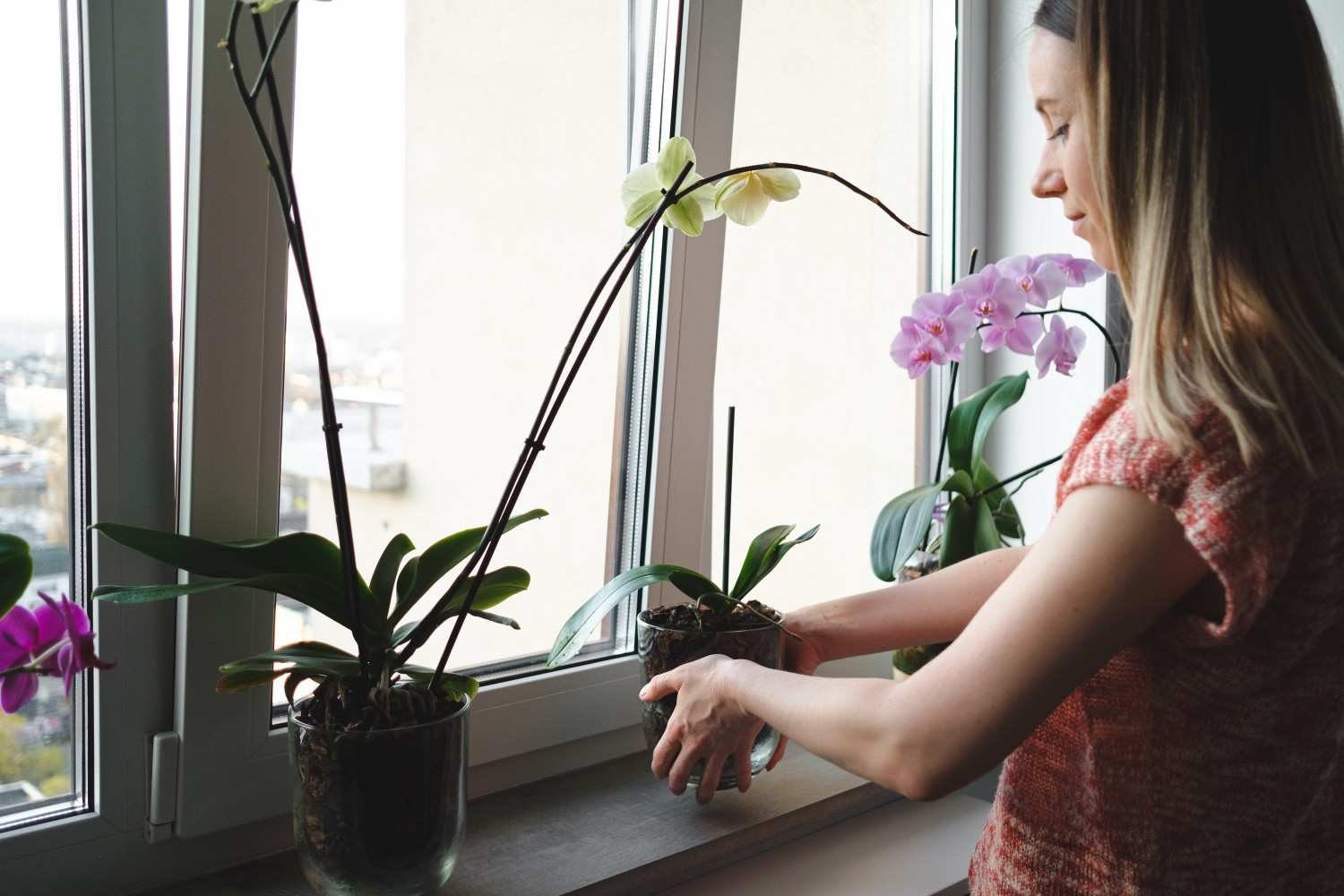
Highly variegated plants can also lose their patterns in dim conditions. Flowering plants such as orchids and peace lilies may survive, but they often produce fewer blooms than they would in brighter indirect light.
Do North-Facing Apartments Need Grow Lights?
A grow light is optional when plants sit beside a clear, unobstructed window. It becomes more useful when nearby buildings block the sky, winter daylight becomes limited, or plants must sit several feet inside the room.
A small full-spectrum LED fixture can supplement natural light without occupying much space. Follow the manufacturer’s distance recommendations and provide a regular nighttime dark period rather than leaving the light on continuously.
Frequently Asked Questions (FAQs)
1. What is the easiest plant for a north-facing apartment?
ZZ plants, snake plants, and cast iron plants are among the easiest options because they tolerate gentle light, slow growth, and occasional missed waterings.
2. How close should plants sit to a north-facing window?
Most low-light plants perform best directly on the sill or within a few feet of the glass. Exterior obstructions and window size can affect the ideal distance.
3. Can succulents survive in a north-facing apartment?
Most succulents need brighter light. They may stretch or lose their compact shape unless the window is unusually bright or you provide supplemental lighting.
4. Which north-window plants are safest for pets?
Parlor palms, spider plants, Boston ferns, and many peperomia varieties are commonly considered pet-friendly. Confirm the exact species before purchasing any plant.
Bring Your Shaded Apartment to Life
I have found that successful indoor gardening starts with choosing plants for the light you actually have rather than the light you wish you had. Structural plants bring height to tight corners, while climbing and trailing vines add greenery without using valuable floor space.
The best houseplants for apartments with north-facing windows can remain healthy when you place them close to the glass, keep their leaves clean, and adjust watering to match slower growth. Start with one hardy variety, watch how it responds through the seasons, and build your collection around the conditions inside your apartment.