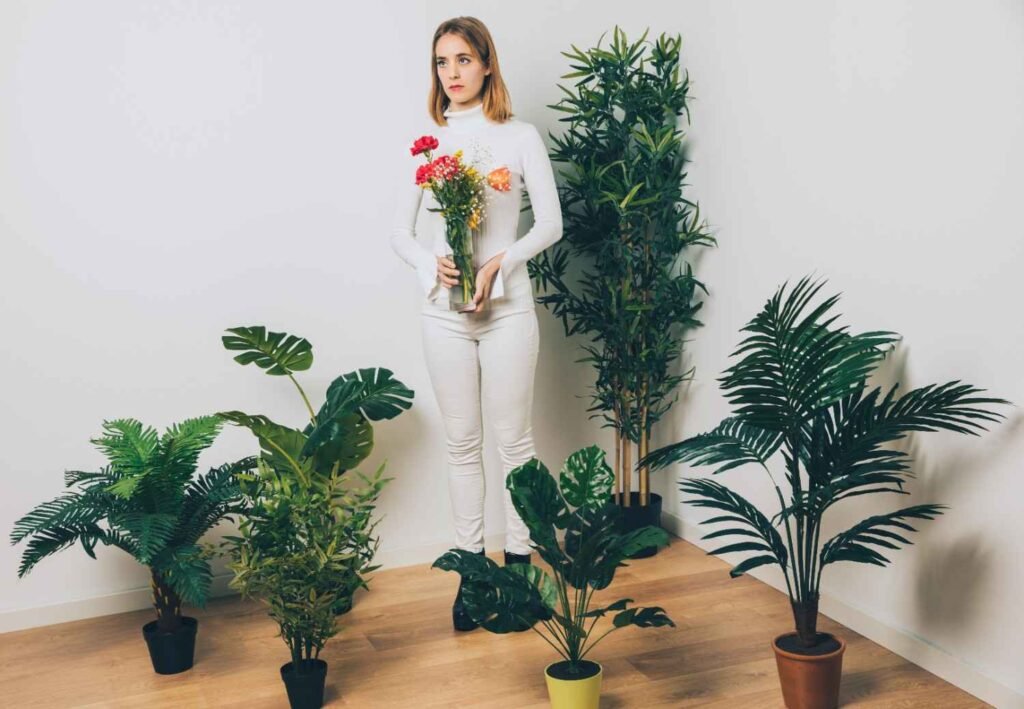
bare corner can make an otherwise beautiful room feel unfinished, but filling it with the wrong plant can create a real problem in a pet-friendly home. Many dramatic floor plants are toxic, which makes choosing safely feel unnecessarily difficult.
Thankfully, tall indoor plants safe for cats and dogs can bring the same height, texture, and upscale look without putting curious pets at unnecessary risk.
Which Tall Pet-Safe Indoor Plants Are Best for Your Home?
The best choice among the best houseplants for apartments with north-facing windows depends on your room’s light, available floor space, humidity, and the amount of care you can provide. I also recommend checking the botanical name on the nursery label because common names can refer to several unrelated plants.
1. Money Tree
The Money Tree, or Pachira aquatica, features a distinctive braided trunk and a leafy canopy that gives it the appearance of a miniature indoor tree. It can grow approximately 6 to 8 feet tall indoors when it receives enough room and consistent care.
Money Trees perform best in bright, indirect sunlight. I let the top few inches of soil dry before watering again because constantly wet soil can lead to root problems. Rotating the pot every few weeks also prevents the canopy from leaning heavily toward the nearest window.
The ASPCA classifies the Money Tree as non-toxic to both cats and dogs, although eating a large amount of any plant material can still cause nausea, vomiting, or loose stool.
2. Parlor Palm
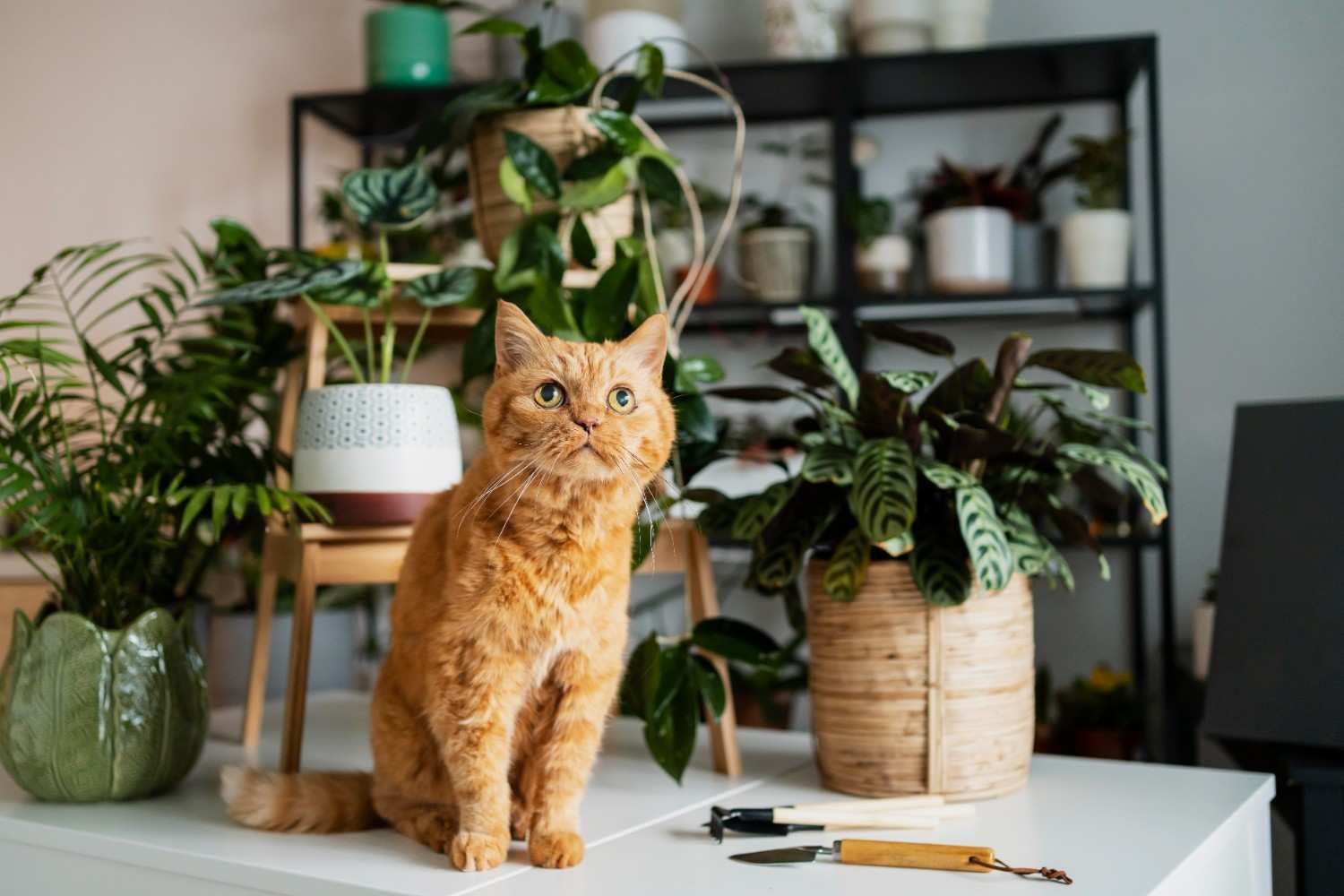
The Parlor Palm, botanically known as Chamaedorea elegans, adds a soft, feathery texture without taking over the room. Although it grows slowly, a mature plant can reach approximately 4 to 6 feet indoors.
This classic palm adapts remarkably well to low or medium indirect light and average household humidity. I recommend it for apartments, offices, bedrooms, and north-facing rooms where sun-loving plants may struggle. Water it when the upper layer of soil begins to feel dry, and avoid leaving the pot in standing water.
The ASPCA lists Chamaedorea elegans as non-toxic to cats and dogs.
3. Areca Palm
The Areca Palm, also called the Butterfly Palm or Golden Butterfly Palm, produces tall stems covered with arching, vibrant fronds. It can reach approximately 6 to 10 feet indoors and spread widely, so it works best in an open living room, sunroom, or spacious home office.
This palm thrives in bright, indirect light and prefers evenly moist soil. Dry air, underwatering, or mineral-heavy tap water may cause brown frond tips. Its dense foliage also releases moisture through transpiration, which can contribute modestly to humidity immediately around the plant, though it should not replace a humidifier.
The ASPCA identifies Dypsis lutescens as non-toxic to cats and dogs.
4. Cast Iron Plant
The Cast Iron Plant, or Aspidistra elatior, may only reach about 2 to 3 feet, but its upright, dark green leaves create enough volume to function as a substantial floor plant. It is one of my favorite options for low-light corners where tropical palms may grow poorly.
As its name suggests, this plant tolerates inconsistent watering, temperature fluctuations, dry indoor air, and limited sunlight. Allow part of the soil to dry between waterings and keep it away from intense direct sun, which may scorch its leaves.
The ASPCA classifies the Cast Iron Plant as non-toxic to cats and dogs.
5. Kentia Palm
A Kentia Palm brings a refined, upscale look to a room with long, gently arching fronds. It grows slowly but can eventually reach 8 feet or more indoors.
It prefers medium to bright indirect light but generally handles lower light better than many large palms. I recommend it for anyone who wants an elegant pet-friendly statement plant without the faster growth or wider spread of an Areca Palm.
6. Bamboo Palm
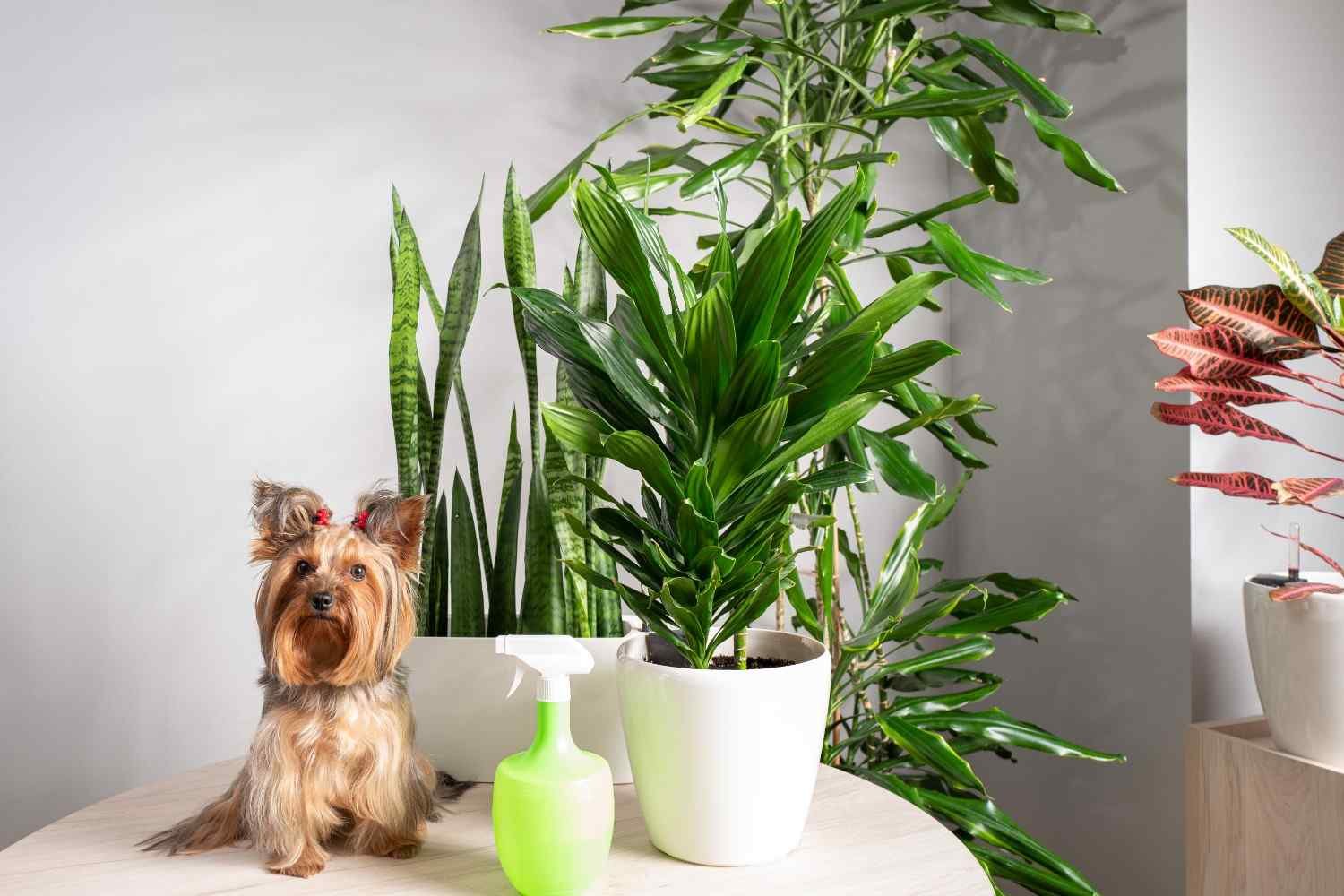
The Bamboo Palm develops clustered, cane-like stems and dense foliage that can reach approximately 4 to 8 feet indoors. Its full growth habit makes it useful as a natural-looking room divider or privacy screen.
It performs best in filtered light with lightly moist soil and moderate humidity. Keep it away from heating vents, which can dry the fronds quickly.
7. Lady Palm
The Lady Palm has upright stems and broad, fan-shaped leaves that create a more architectural appearance than feathery palms. Mature indoor plants can reach approximately 6 feet or taller.
It tolerates medium light and adapts well to typical household temperatures. Its dense growth works particularly well in entryways and empty living-room corners.
8. Ponytail Palm
The Ponytail Palm is not a true palm, but its swollen trunk and long, curling leaves make it an eye-catching pet-friendly floor plant. It can eventually reach 4 to 6 feet indoors, although it grows slowly.
Because the trunk stores water, this plant handles dry soil better than tropical palms. Place it in a bright room and allow the soil to dry substantially before watering. Cats may bat at its narrow leaves, so thoughtful placement can help prevent repeated damage.
9. Banana Plant
Certain banana plants, including Musa acuminata, are listed as non-toxic by the ASPCA and can create an impressive tropical focal point.
A banana plant may reach 6 to 10 feet indoors, depending on the cultivar and growing conditions. It needs bright light, warmth, regular moisture, and more humidity than the average houseplant. Always verify the exact botanical name before purchasing because stores may sell several large tropical species under broad or confusing labels.
10. Boston Fern
A mature Boston Fern can form a large, cascading display with fronds that spread several feet. It does not grow upright like a tree, but placing it on a sturdy pedestal or plant stand creates valuable height.
Boston Ferns prefer bright, indirect light, consistently moist soil, and humid air. They are best suited to bathrooms with windows, bright kitchens, or homes where indoor humidity does not remain extremely low.
What Is the Best Tall Pet-Safe Plant for Low Light?
The Parlor Palm and Cast Iron Plant are the most dependable choices for lower-light rooms. Kentia and Lady Palms can also tolerate moderate or reduced light, though their growth may slow.
Low light does not mean complete darkness. If a room receives almost no natural daylight, I would add a full-spectrum grow light rather than expecting a plant to survive indefinitely.
How Can You Keep Cats and Dogs Away From Large Pots?
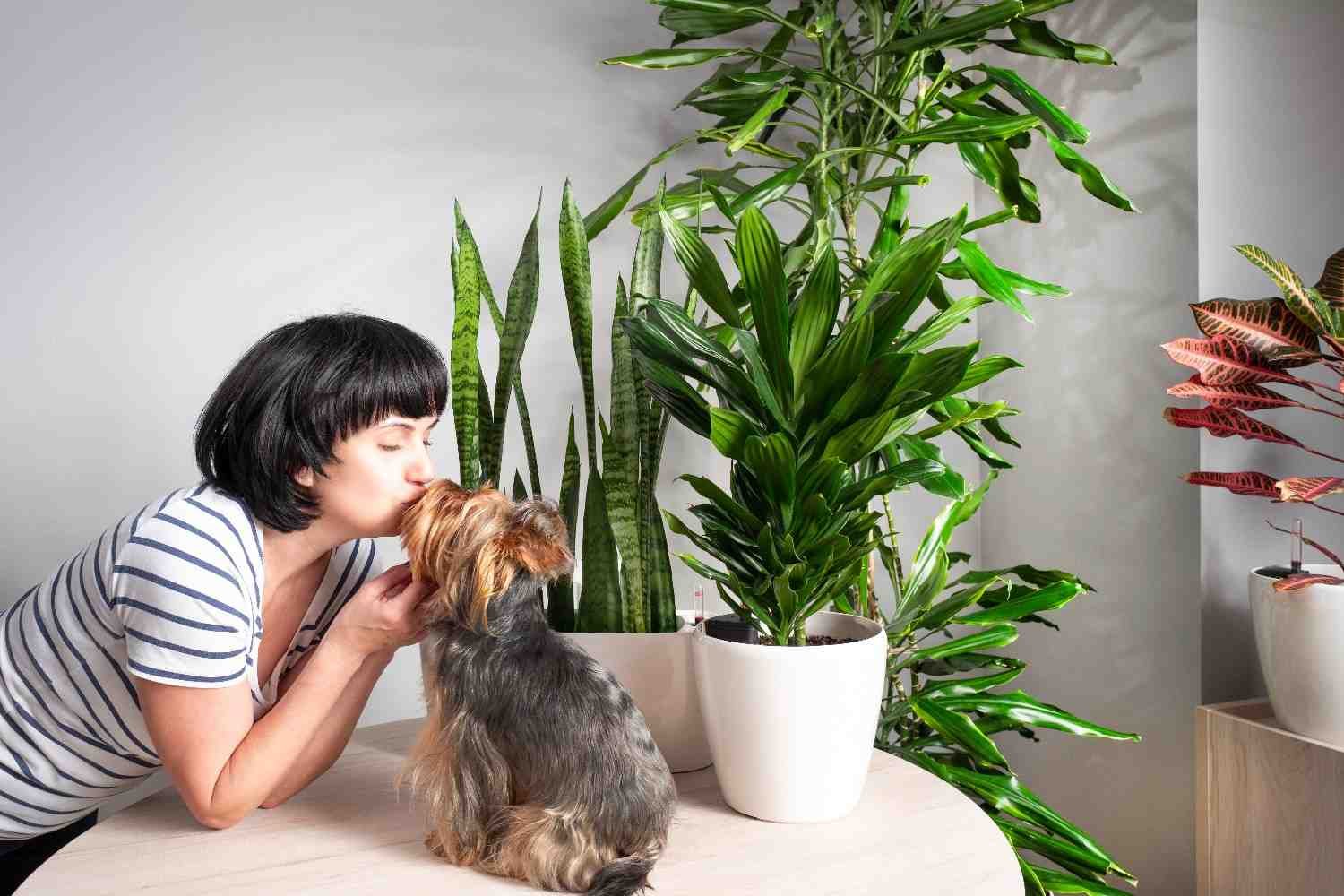
Tall plants can become top-heavy, so I place them in wide ceramic or terracotta pots that pets cannot easily knock over. A heavy planter also reduces the risk of spilled soil and broken containers when an energetic dog brushes past the plant.
Cats sometimes treat large pots like litter boxes. Covering exposed soil with a breathable mesh barrier or large, smooth river stones can discourage digging. Make sure the stones are too large to swallow and do not create a sealed surface that traps excess moisture.
If a pet repeatedly chews dangling fronds, I gently prune the lowest foliage or move the plant behind a decorative barrier. Providing cat grass, climbing furniture, chew toys, and regular play may also redirect attention away from houseplants.
Which Popular Tall Houseplants Are Toxic to Pets?
Monstera, Fiddle Leaf Fig, Snake Plant, ZZ Plant, Dracaena, Bird of Paradise, and Sago Palm should not be treated as pet-safe substitutes. Snake Plants can cause vomiting, diarrhea, drooling, and lethargy after ingestion, while Sago Palms are especially dangerous.
Scientific names matter because safe true palms and toxic cycads can look similar to an inexperienced shopper. I always verify the label before purchasing rather than relying solely on a common name.
Frequently Asked Questions (FAQs)
1. What is the tallest indoor plant that is safe for cats and dogs?
Kentia Palms, Areca Palms, Bamboo Palms, and suitable banana plants may reach 8 feet or more indoors under favorable conditions.
2. Are all indoor palms safe for pets?
No. Many popular palms are non-toxic, but the Sago Palm is not a true palm and is highly toxic. Always verify the scientific name.
3. Is a Money Tree safe for cats and dogs?
Yes. The ASPCA lists Pachira aquatica as non-toxic to both cats and dogs, although consuming too much plant material may still cause digestive upset.
4. Can a non-toxic plant still make a pet sick?
Yes. Even non-toxic plant material may cause vomiting, nausea, or gastrointestinal irritation when a pet consumes a large amount. Contact your veterinarian if symptoms appear.
Bring Home Height Without Bringing Home Risk
I do not think pet owners need to sacrifice style to create a safer indoor garden. Money Trees, Parlor Palms, Areca Palms, and Cast Iron Plants can all add meaningful height, texture, and greenery when matched with the right light conditions.
The best tall indoor plants safe for cats and dogs combine verified botanical identities with stable pots, sensible placement, and realistic care. Once you secure the container, protect the soil, and keep tempting foliage out of reach, you can enjoy a dramatic indoor plant display without compromising your pets’ well-being.