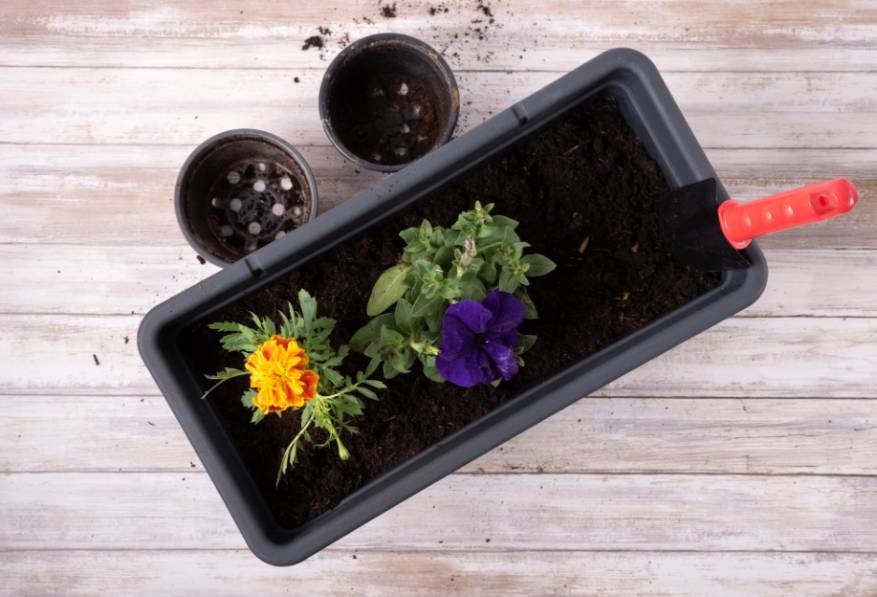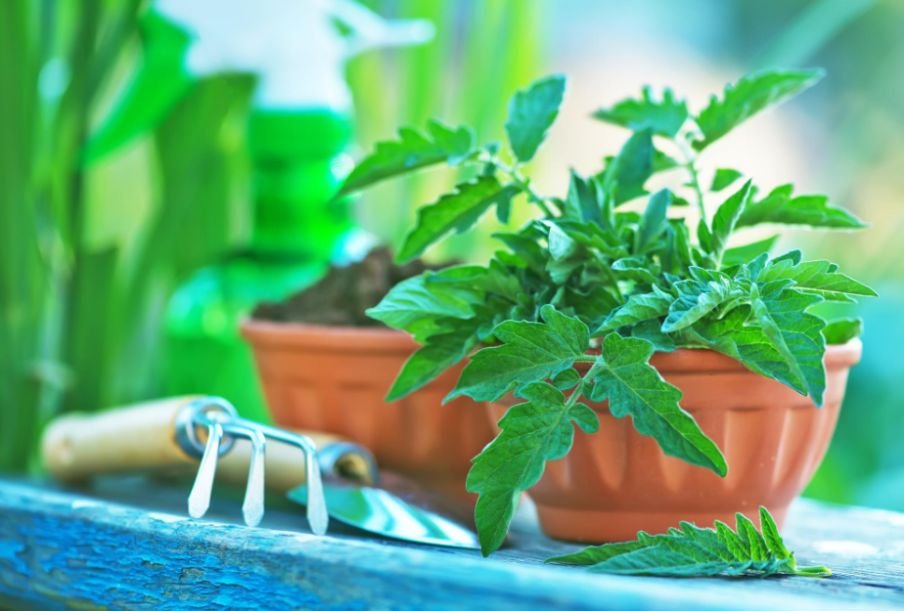

Once the furnace starts running, even a healthy indoor garden can change quickly. Warm air from forced-air vents, radiators, fireplaces, and space heaters lowers indoor humidity, dries potting soil, and can leave sensitive plants with curling leaves or crispy brown tips.
I have found that choosing houseplants that tolerate dry air from heating is much easier than trying to keep humidity-loving tropical plants comfortable all winter. The best options store moisture in thick leaves, waxy foliage, underground rhizomes, or swollen trunks. They are not completely immune to low humidity, but they handle heated American homes far better than delicate tropical species.
What Are the Best Houseplants for Dry, Heated Air?
The strongest tall indoor plants safe for cats and dogs combine low-humidity tolerance with manageable watering needs. However, each plant still has its own light and placement requirements.
Snake Plant
Snake plants rank among my favorite plants for dry indoor air because their thick, leathery leaves store moisture efficiently. They tolerate low humidity, missed waterings, and the reduced natural light common during winter.
They grow fastest in bright, indirect light but adapt surprisingly well to darker bedrooms and offices. Let the soil dry almost completely before watering because excessive moisture can cause root rot.
ZZ Plant
The ZZ plant features glossy, waxy leaves that reduce moisture loss. Its thick underground rhizomes also store water, allowing the plant to survive extended periods without irrigation.
This low-maintenance indoor plant handles dry air and low light better than most houseplants. I recommend placing it away from hot vents and watering only after the potting mix has dried. Keep it out of reach of pets and young children because it is toxic when eaten.
Cast Iron Plant
The cast iron plant lives up to its tough reputation. It tolerates low light, dry household air, temperature fluctuations, drafts, and occasional neglect.
Its slow-growing foliage works well in dim living rooms, hallways, and north-facing rooms. Avoid direct afternoon sunlight, which can scorch the leaves, and allow the upper layer of soil to dry between waterings.
Jade Plant
Jade plants prefer the dry air found in many centrally heated homes. Their thick, fleshy leaves store water, making them more drought tolerant than typical tropical houseplants.
Place jade near a sunny south- or west-facing window during winter. Keep the foliage from touching cold glass, use fast-draining succulent soil, and wait until the mix dries before watering again.
Aloe Vera
Aloe vera thrives in warm rooms with low humidity, provided it receives strong light and excellent drainage. Its water-filled leaves allow it to withstand dry conditions and infrequent watering.
I grow aloe in a cactus or succulent potting mix inside a container with drainage holes. Water deeply, let the extra moisture escape, and do not water again until the soil feels dry.
Spider Plant
Spider plants are tropical, but they adapt better to average household air than many moisture-loving species. Their arching leaves and cascading plantlets make them attractive choices for hanging baskets and high shelves.
Extremely low humidity may still cause brown leaf tips. Keep spider plants away from direct heated airflow, give them bright indirect light, and water when the top inch of soil feels dry. They are also widely considered a practical choice for homes with cats or dogs.
Ponytail Palm
The ponytail palm stores water inside its enlarged, bulb-shaped trunk. This feature makes it naturally suited to dry indoor climates and homeowners who sometimes forget to water.
Although it is not a true palm, it delivers a similar sculptural appearance. Give it bright light, use well-draining soil, and avoid frequent watering. Too much moisture presents a greater danger than low humidity.
Wax Plant
The wax plant, also called hoya, has thick, succulent-like leaves that retain moisture efficiently. It tolerates dry air better than many flowering tropical plants and may produce fragrant, star-shaped blooms under favorable conditions.
Hoyas prefer bright, indirect light and a potting mixture with good drainage. Let part of the soil dry before watering, but do not leave the plant completely dry for long periods while it is actively growing.
Which Plants Handle Both Low Humidity and Low Light?
Many plants that prefer dry air, including cacti and succulents, also require strong sunlight. This can make plant selection difficult in apartments, offices, basements, or homes with north-facing windows.
Snake plants, ZZ plants, and cast iron plants provide the best combination of low-light adaptability and dry-air tolerance. They may grow more slowly in darker rooms, but they usually maintain their appearance without a humidifier or sunny windowsill.
Which Houseplants Struggle in Heated Rooms?
Calatheas, marantas, alocasias, prayer plants, and many ferns often struggle when heating systems lower indoor humidity. Their thinner leaves lose moisture quickly, which can lead to curled foliage, dry edges, and persistent browning.
You can grow these tropical plants with a reliable humidifier and careful monitoring. However, I would choose a tougher plant when I want low-maintenance greenery that can tolerate a long heating season.
How Far Should Plants Be From Heating Vents?
A plant that tolerates low humidity may still suffer beside a radiator, fireplace, or forced-air register. Concentrated heat dries leaves and soil much faster than the general warmth of a room.
I recommend keeping plants at least three feet away from vents whenever space allows. Move them farther away when hot air blows directly toward the foliage. Do not place pots directly above radiators or between a heater and a cold window, where abrupt temperature changes can cause additional stress.
How Should You Care for Plants During Winter Heating?
Check the soil instead of watering according to a fixed calendar. Heating can dry the upper surface quickly while deeper soil remains wet. Push your finger one or two inches into the potting mix before adding water.
Do not assume every plant needs more water during winter. Shorter days often slow growth, so roots may absorb moisture less quickly. Overwatering can cause yellow leaves and root rot even when the surrounding air feels dry.
Grouping plants together can create a slightly more humid microclimate by trapping some moisture released through their leaves. A humidifier provides a more consistent solution for sensitive tropical plants, while occasional misting raises humidity for only a short period.
What Are the Signs of Heating Damage?
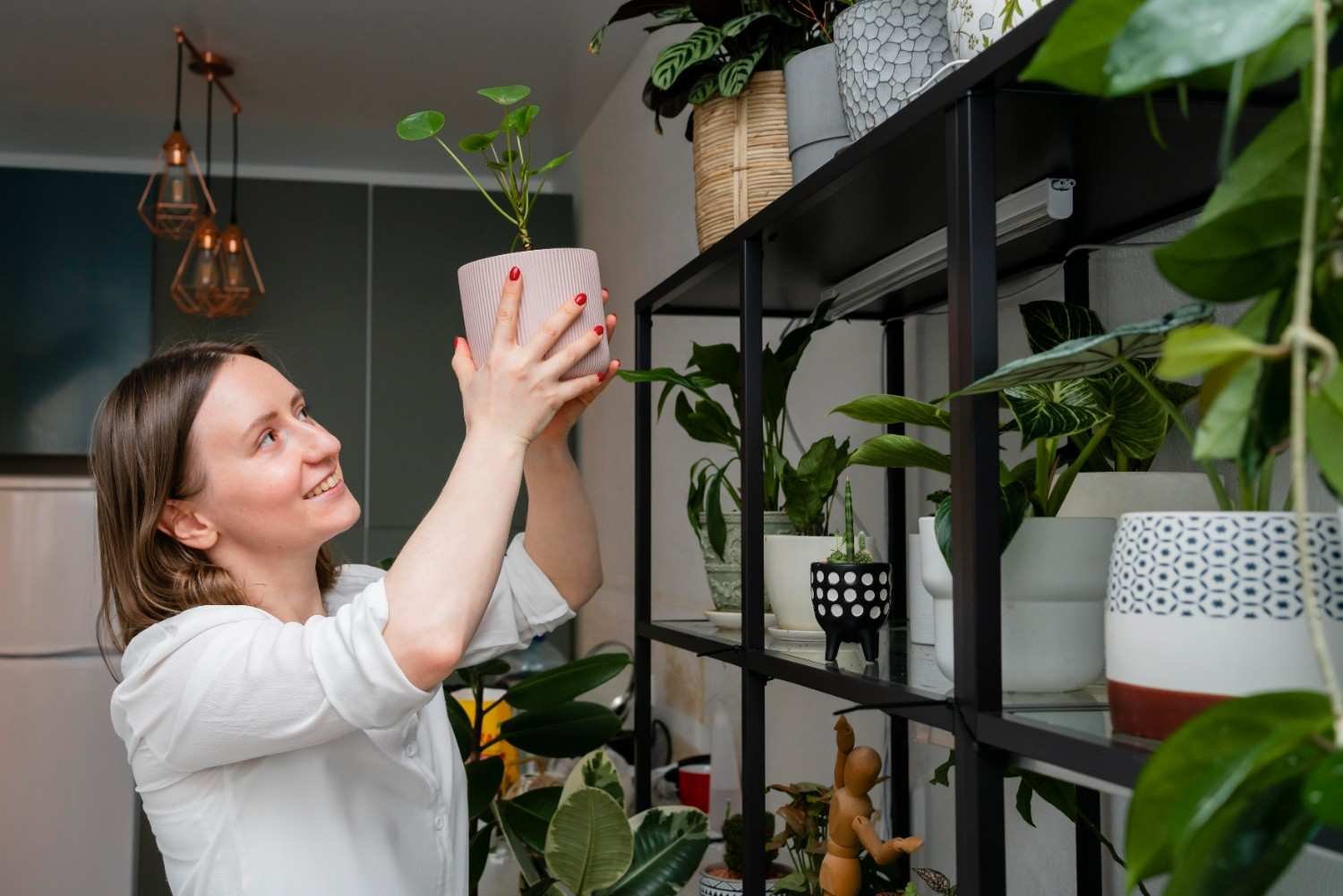
Crispy leaf edges, curling foliage, and rapidly drying soil may indicate low humidity or direct exposure to heated air. Brown tips can also result from inconsistent watering, mineral-heavy tap water, or fertilizer buildup.
Yellow leaves often suggest excessive watering rather than dry air. Fine webbing, pale speckles, or dusty-looking foliage may indicate spider mites, which reproduce quickly in warm, dry conditions. I check the undersides of leaves regularly throughout winter.
Frequently Asked Questions (FAQs)
1. What Is the Best Plant for a Dry Heated Home?
Snake plants and ZZ plants are two of the most dependable choices. Both store moisture, tolerate low humidity, need infrequent watering, and adapt to different indoor light levels.
2. Can Succulents Sit Near a Heating Vent?
Succulents tolerate dry air but should not sit directly in hot airflow. A heating vent can dehydrate roots, scorch foliage, and create stressful temperature fluctuations.
3. Should I Mist Indoor Plants During Winter?
Misting provides only a temporary increase in moisture. Use a room humidifier when a plant requires consistently higher humidity, and maintain airflow to reduce fungal problems.
4. Why Do Spider Plants Develop Brown Tips?
Dry air can contribute to brown tips, but mineral buildup, fluoride in tap water, inconsistent watering, and excessive fertilizer may also cause the problem.
5. Which Plants Are Best for Dry Air and Dark Rooms?
Snake plants, ZZ plants, and cast iron plants offer the strongest combination of dry-air tolerance and low-light adaptability. They still benefit from indirect natural light whenever available.
Keep Your Home Green Through Heating Season
I believe successful winter plant care starts with choosing species suited to the conditions already present in your home. Snake plants, ZZ plants, cast iron plants, jade, aloe, spider plants, ponytail palms, and wax plants all offer practical options for dry rooms.
Even the toughest houseplants that tolerate dry air from heating need proper drainage, appropriate light, and protection from direct hot airflow. Check the soil before watering, move pots away from radiators, and watch for pests or crispy foliage. With the right plants and a few seasonal adjustments, your indoor garden can remain healthy until spring.