Repotting is supposed to refresh a pothos, not leave it covered in yellow leaves. I know how discouraging it feels to move a healthy plant into a beautiful new container only to see its foliage fade a few days later. Fortunately, this reaction does not automatically mean your plant is dying.
When people ask why pothos leaves are turning yellow after repotting, the answer usually involves transplant shock, excess moisture, damaged roots, dense potting soil, or an oversized container.
Repotting suddenly changes the environment around the roots, temporarily disrupting their ability to absorb water, oxygen, and nutrients. With the right response, most pothos plants can stabilize and begin producing healthy growth again.
Is It Normal for Pothos Leaves to Yellow After Repotting?
A pothos may lose one or two older lower leaves while adjusting to its new container. Repotting disturbs the microscopic root hairs that absorb water and nutrients. While those delicate structures recover, the plant may conserve energy by sacrificing older foliage and directing its resources toward root repair.
Mild transplant shock typically causes limited yellowing, slight drooping, and a temporary pause in growth. The plant may need one to three weeks to acclimate to its fresh soil. However, rapidly spreading yellow leaves, soft stems, waterlogged soil, or a sour smell indicate a more serious problem.
What Causes Yellow Pothos Leaves After Repotting?
Transplant Shock Disrupts Water Absorption
Even careful repotting disturbs a pothos root system. Pulling the root ball from its container, loosening compacted soil, or repositioning roots can damage tiny feeding structures.
With fewer functioning root hairs, the plant cannot absorb enough moisture to support all its foliage. It may shed its oldest leaves while rebuilding below the soil. I recommend keeping the plant in one stable location with bright, indirect light while it recovers.
A Larger Pot Holds Too Much Moisture
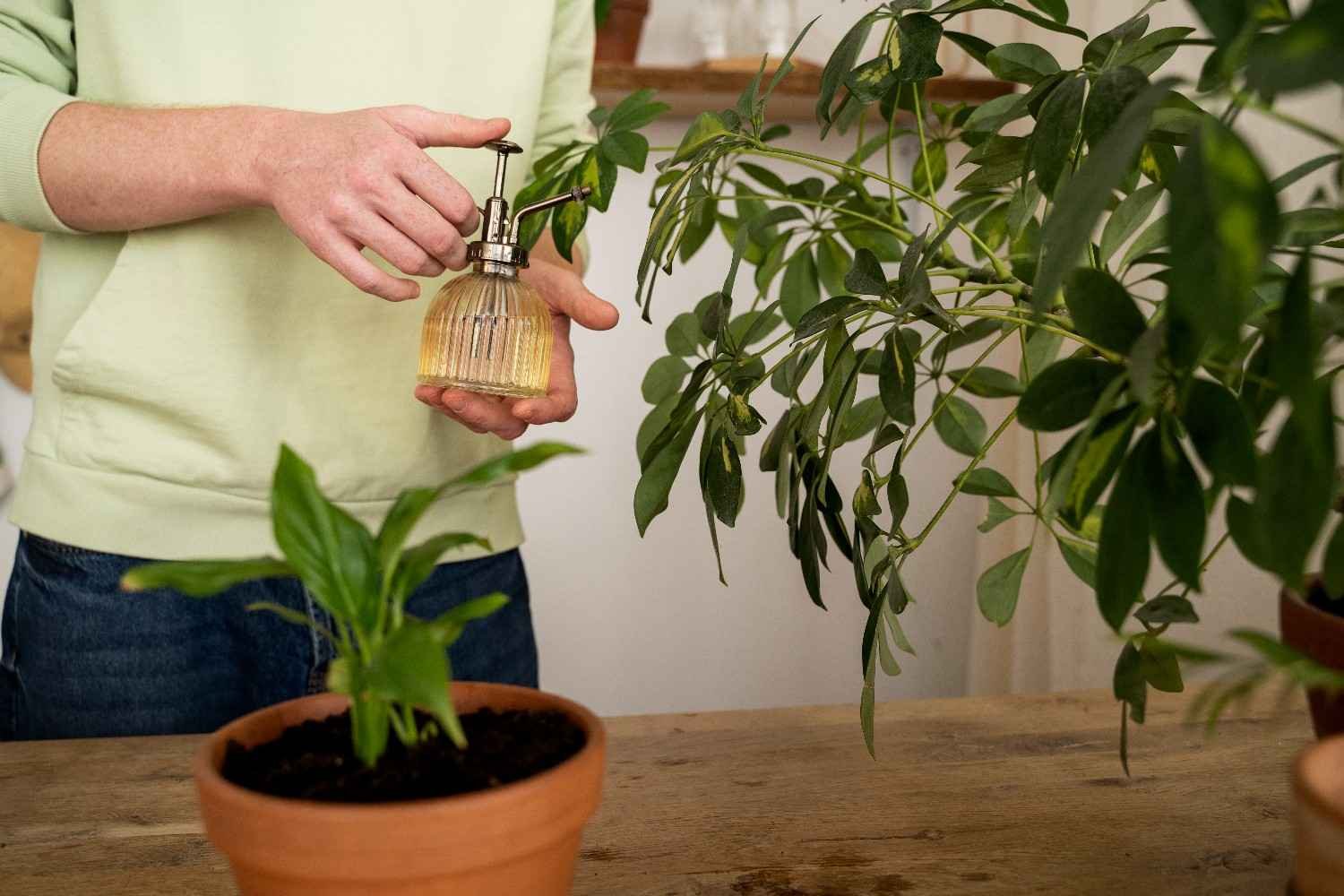
Choosing a dramatically larger pot may seem generous, but it often creates a moisture imbalance. More soil holds more water and takes longer to dry. A small root ball cannot use that extra moisture quickly enough.
Constantly saturated soil pushes oxygen out of the spaces around the roots. Oxygen-starved roots weaken, stop absorbing nutrients efficiently, and may begin to decay. Choose a container only one or two inches wider than the previous pot instead of jumping to a much larger size.
The New Potting Mix Drains Too Slowly
Fresh potting soil may behave differently from the old mix. A peat-heavy or tightly compressed medium can stay wet long after the surface appears dry. Continuing the old watering schedule can therefore overwater the plant without the owner realizing it.
Pothos grows best in a loose, well-draining mix. Combining indoor potting soil with perlite and orchid bark can improve aeration. Always use a container with functional drainage holes and empty any standing water from the saucer or decorative cachepot.
Physical Root Damage Reduces Plant Support
Aggressively shaking off old soil, pulling apart tangled roots, or cutting healthy roots can damage the plant’s feeding system. Torn roots reduce its ability to support its existing foliage and can create entry points for soil-borne pathogens.
Minor damage often heals on its own. Severe damage, especially when combined with soggy soil, increases the risk of root rot. Handle the root ball gently and loosen only tightly circling roots during future repotting.
Immediate Fertilization Burns New Root Growth
Fertilizing immediately after repotting can compound existing stress. Fresh or damaged root tips are sensitive to concentrated fertilizer salts, and many commercial potting mixes already contain added nutrients.
Excess salts can interfere with normal hydration and burn vulnerable roots. Fertilizer also encourages a shocked plant to produce new growth when it should focus on repairing its root system. I wait four to six weeks, or until healthy new growth appears, before resuming feeding.
Light and Temperature Changed Suddenly
Repotting may not be the only change your pothos experiences. Moving it to a sunny windowsill, placing it beside an air conditioner, or exposing it to a heating vent can intensify plant stress.
Pothos prefers bright to medium indirect light. Direct afternoon sun can scorch weakened foliage, while very low light slows soil drying and increases overwatering risk. Keep the plant away from drafts and maintain normal indoor temperatures during recovery.
Pothos is widely grown as an adaptable North American houseplant, but it still performs best when moisture, light, and temperature remain consistent.
How Can I Tell Transplant Shock From Root Rot?
Transplant shock usually affects only a few older leaves. The roots remain firm and cream, white, or light tan, and the soil drains normally. The plant may droop temporarily, but the yellowing should not spread rapidly.
Root rot produces more serious symptoms. Several leaves may yellow at once, stems can become soft, and the soil may remain wet for a week or longer. Rotten roots often look dark brown or black and feel mushy, slimy, or hollow. Standing water and prolonged soil saturation prevent roots from receiving enough oxygen, which can eventually kill the plant.
How Do You Save a Yellowing Pothos After Repotting?
First, press a finger about two inches into the soil. Do not water again until this upper layer feels dry. When the plant needs water, soak the soil thoroughly and allow all excess moisture to escape through the drainage holes.
Place the pothos in bright, indirect light and avoid moving it repeatedly. Remove leaves that have turned completely yellow because they will not become green again. However, avoid heavy pruning while the plant is already stressed.
Do not fertilize for at least four to six weeks. If the pot is only slightly larger, the roots look healthy, and the soil drains properly, give the plant time to recover rather than repotting it again.
A second repotting becomes necessary when the container is far too large, the soil remains waterlogged, or the roots show obvious decay. Trim rotten roots with sterilized scissors, discard contaminated soil, and move the plant into a clean container with fresh, airy potting mix.
How Long Does Pothos Transplant Shock Last?
Most mild cases improve within one to three weeks. Stable leaves, firmer stems, drying soil, and emerging growth all indicate recovery.
Continued yellowing after two weeks deserves closer attention, particularly when the soil remains wet. Do not assume the plant needs more water simply because it looks droopy. Both dehydrated roots and waterlogged roots can cause wilting, so always inspect the soil first.
How Can You Prevent Yellow Leaves During Future Repotting?
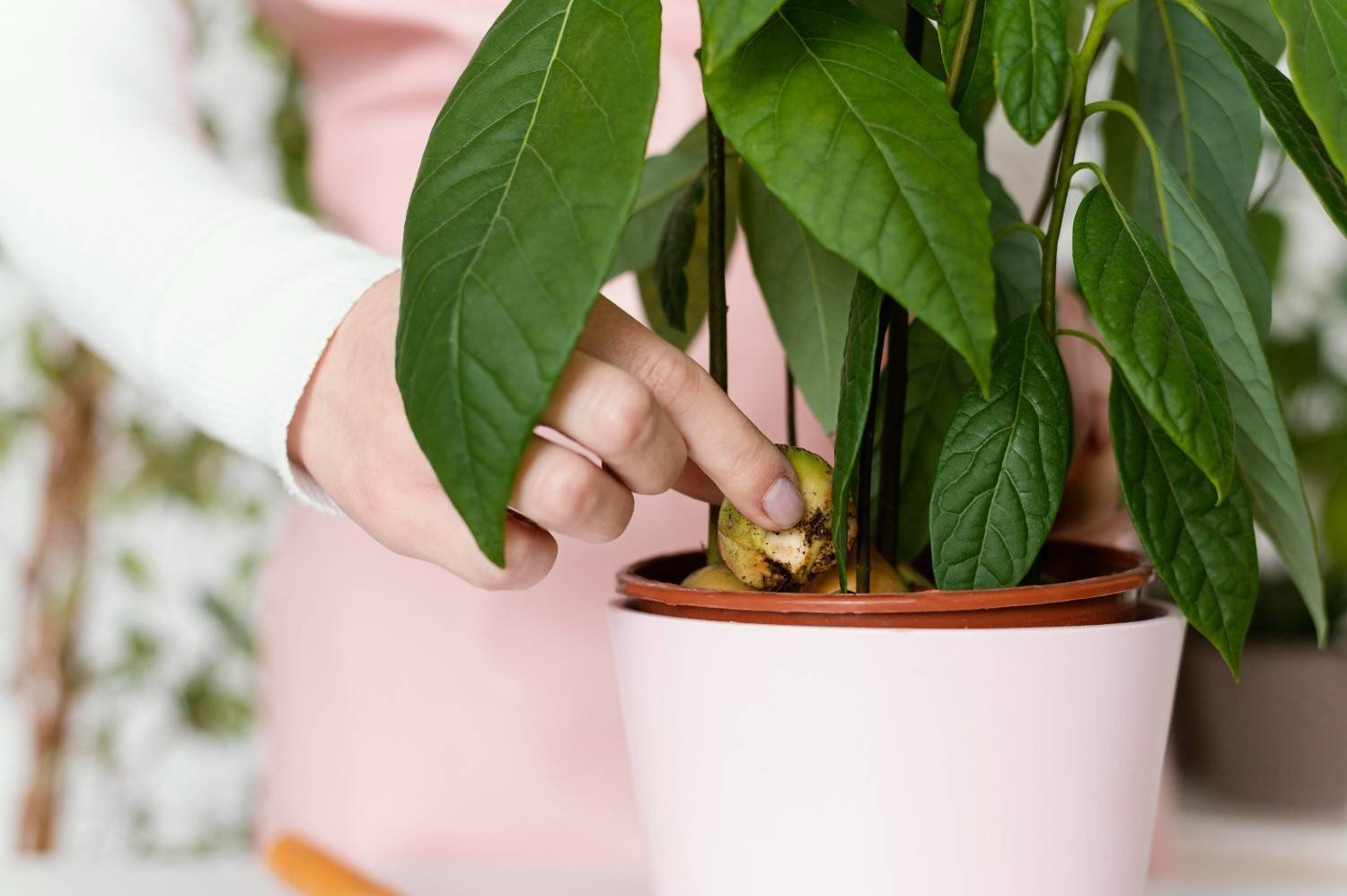
Repot your pothos only when roots circle the container, emerge from the drainage holes, or leave little usable soil behind. Select a pot one size larger, prepare a breathable potting mix, and handle the roots gently.
Keep the plant in roughly the same light and temperature after the move. Avoid changing its soil, pot, watering frequency, lighting, and feeding routine all at once. Reducing simultaneous changes gives the roots a much easier adjustment period.
Frequently Asked Questions (FAQs)
1. Why are pothos leaves turning yellow after repotting even with fresh soil?
Fresh soil can retain more water than the old medium, especially when it contains dense peat or has been packed firmly. Root disturbance, excess moisture, or a pot that is too large may also cause yellowing.
2. Should I water pothos immediately after repotting?
You can water after repotting when the fresh mix is dry, but allow the excess to drain completely. Do not water again until the upper two inches begin to dry.
3. Should I remove yellow pothos leaves?
Remove leaves after they turn fully yellow because they cannot restore their chlorophyll. Use clean scissors, but avoid removing large amounts of healthy foliage from a stressed plant.
4. Can pothos recover from damaged roots?
Yes. A pothos can recover from minor root damage when it receives indirect light, controlled moisture, and time. Severe damage or active root rot may require pruning and another careful repotting.
-
When can I fertilize a recently repotted pothos?
Wait at least four to six weeks or until you see healthy new growth. Feeding too early can burn damaged root tips and add unnecessary stress.
Help Your Pothos Settle Into Its New Home
I always investigate moisture, drainage, pot size, and root condition before making another change. Adding water, fertilizer, or another repotting without identifying the problem can make the yellowing worse. This same careful approach also helps when caring for houseplants that tolerate dry air from heating, since unnecessary adjustments can create additional stress.
Understanding why pothos leaves are turning yellow after repotting allows you to respond calmly instead of overcorrecting. Give the plant stable indirect light, breathable soil, careful watering, and several weeks to rebuild its roots. In most cases, a resilient pothos will settle into its new container and return to vigorous green growth.