The moment tiny black flies started rising from my houseplants, I knew swatting the adults would not solve the problem. Fungus gnats spend most of their lifecycle inside damp potting soil, where their larvae feed on fungi, decaying organic matter, and sometimes delicate plant roots.
Learning how to get rid of fungus gnats without harming pets means attacking the infestation from several directions. You need to reduce soil moisture, stop larvae from developing, trap flying adults, and remove the conditions that allow them to return.
You also need to keep cats and dogs away from exposed adhesives, concentrated oils, loose powders, treated water, and improperly used pesticides.
The most effective approach combines cultural soil management, physical traps, and carefully selected biological controls.
Are Fungus Gnats Dangerous to Cats and Dogs?
Adult fungus gnats do not bite or sting pets. In most homes, they are primarily an irritating nuisance. Their larvae may damage seedlings, young plants, or weakened roots when an infestation becomes severe, but established houseplants often tolerate small populations, including many houseplants that tolerate dry air from heating.
The treatment can create a greater risk than the insect itself. Products described as natural are not automatically harmless. Concentrated essential oils, neem products, peroxide mixtures, sticky adhesives, and loose powders may cause problems when pets lick, inhale, step in, or drink them.
I always begin with non-chemical fungus gnat control and follow every product label before applying anything to indoor soil. The EPA recommends keeping pets away from treated areas until a product has dried or for the period specified on its label.
How Can You Confirm You Have Fungus Gnats?
Before starting treatment, make sure the insects are fungus gnats rather than fruit flies or drain flies.
Fungus gnats look like miniature mosquitoes. They have dark bodies, long legs, delicate wings, and weak flight patterns. You will usually notice them crawling over potting soil, hovering around plant containers, or gathering near windows.
Fruit flies have rounder bodies and tend to gather near overripe produce, trash cans, recycling bins, and food residue. Drain flies have fuzzy, moth-like wings and remain close to sinks or drains.
Fungus gnats commonly develop in moist houseplant growing media. Colorado State University Extension notes that their larvae feed on algae, fungi, organic matter, and occasionally plant roots.
Why Do Fungus Gnats Keep Coming Back?
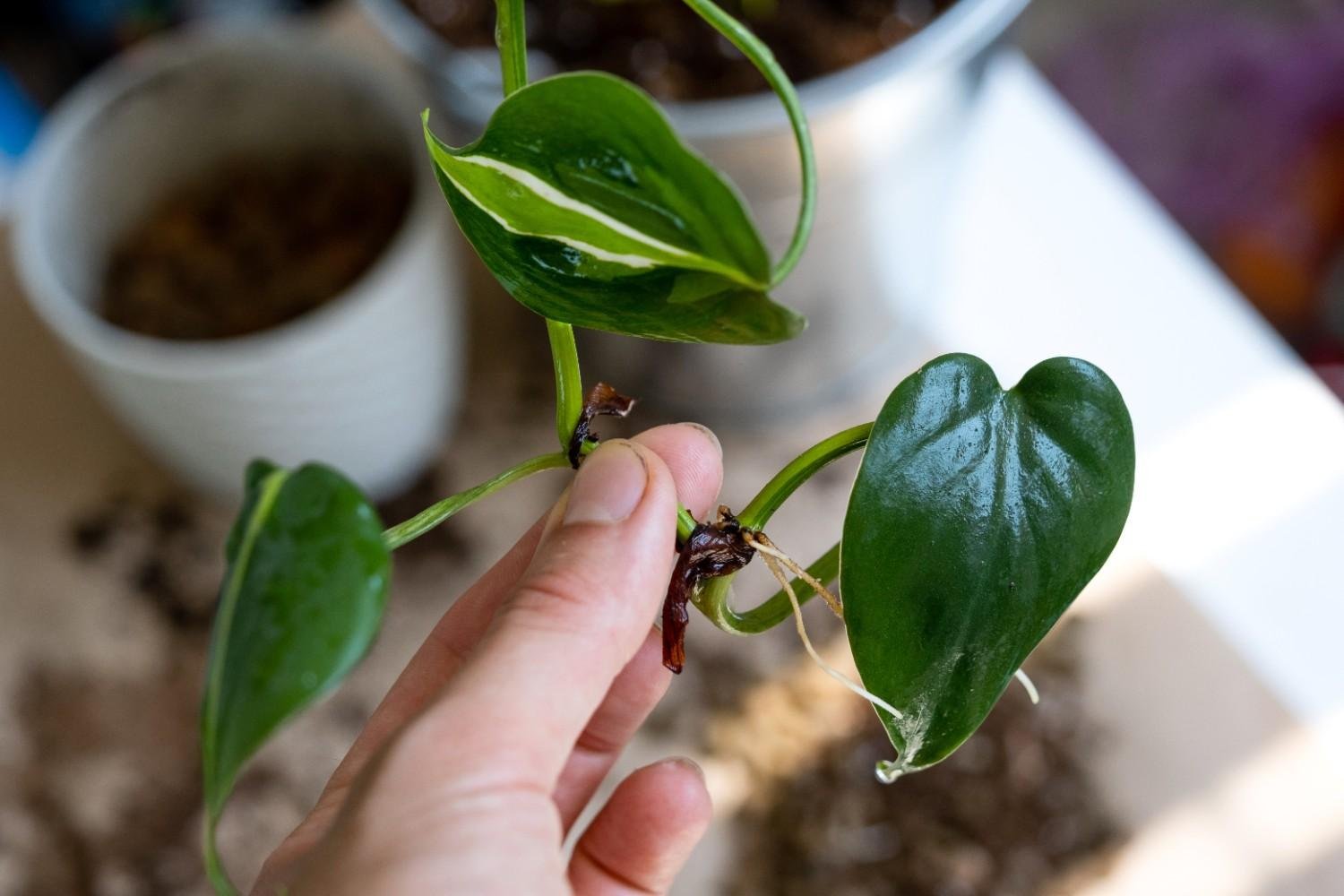
Constantly damp potting mix creates an ideal fungus gnat nursery. Adult females lay eggs near the soil surface, and the larvae develop where moisture and decomposing material remain available.
Overwatering is the most common trigger. Poor drainage, standing water in saucers, dense potting mix, dead leaves, organic fertilizer, and contaminated bags of soil can also support an infestation.
Treating visible adults without correcting wet soil rarely works. Iowa State University Extension specifically identifies fungus gnats as a common symptom of overwatering.
How to Kill Fungus Gnat Larvae in Houseplant Soil
The larvae are the root of the infestation. Capturing adults may make the room feel cleaner, but new gnats will continue emerging until you interrupt development in the soil.
Let the Topsoil Dry Before Watering Again
Allow the upper one to two inches of potting mix to dry before watering, provided the plant can tolerate it. Dry soil makes the surface less suitable for egg laying and larval survival.
Do not automatically wait until the top three inches are bone dry. Moisture needs vary widely between ferns, tropical foliage plants, succulents, and flowering houseplants. Check the care requirements for each plant and avoid stressing moisture-sensitive species.
Colorado State and Iowa State both recommend allowing the growing medium to dry between waterings as a primary fungus gnat control method.
Use Bottom Watering Carefully
Bottom watering can help keep the upper soil layer drier. Place a nursery pot with drainage holes in a shallow container of water and allow it to absorb moisture for approximately 10 to 15 minutes.
Remove the pot once the soil has taken up enough water. Never leave it sitting in a full saucer because constantly saturated soil encourages fungus gnats and root problems.
I also keep water-filled saucers away from pets. Cats and dogs should not be allowed to drink drainage water because it may contain fertilizer residue, soil organisms, or treatment products.
Consider a Label-Approved BTI Treatment
Bacillus thuringiensis israelensis, commonly abbreviated as BTI, is a biological control used against certain fly and mosquito larvae. Some gardeners use appropriately labeled BTI products to target fungus gnat larvae in potting soil.
Mosquito Bits are often soaked in water before application, but preparation instructions may vary by product and intended use. Follow the exact label rather than relying on a universal online recipe.
BTI should not be described as offering zero risk in every situation. Keep the package, granules, prepared water, and treated soil away from pets. Repeat applications may be required over several weeks because eggs and pupae may survive the first treatment.
Use Hydrogen Peroxide With Caution
A diluted hydrogen peroxide drench is a popular home remedy. Many guides recommend mixing one part standard 3% hydrogen peroxide with four parts water and applying it to the soil.
The mixture may kill some larvae it directly contacts, and hydrogen peroxide eventually breaks down into water and oxygen. However, that does not make every concentration or application harmless. Excessive use may irritate skin and eyes, damage sensitive roots, or disrupt beneficial soil organisms.
I treat this as an optional remedy rather than the safest first choice. Keep pets away from the mixture and never allow them to drink treated drainage water.
Treat Neem Oil as a Pesticide Product
Neem oil may suppress some soil pests, but concentrate strengths and label directions differ. A fixed recipe such as two tablespoons per gallon may not suit every product or plant.
Avoid mixing neem concentrate with an arbitrary amount of dish soap unless the label specifically allows it. Keep animals away during application and prevent them from licking wet leaves or digging in treated soil.
The EPA advises consumers to read pesticide labels before buying, storing, mixing, or applying products around pets.
How to Trap Adult Fungus Gnats Safely
Adult trapping reduces egg laying and helps you monitor whether your treatment is working.
Place Yellow Sticky Traps Near the Soil
Yellow sticky cards are more dependable for monitoring fungus gnats than vinegar traps. Position small pieces close to the potting mix, where adults emerge.
Sticky traps contain no airborne pesticide, but the adhesive can cling to paws, noses, feathers, tails, and fur. Place them inside protective holders or somewhere completely inaccessible to pets.
Remember that traps only catch adults. Iowa State notes that yellow cards do not prevent new insects from hatching, so soil management must continue.
Do Apple Cider Vinegar Traps Work?
Apple cider vinegar traps are commonly made with vinegar, sugar, dish soap, plastic wrap, and small entry holes. They work well for fruit flies because those insects respond strongly to fermenting food odors.
They may catch an occasional fungus gnat, but they are not the most reliable adult fungus gnat treatment. Yellow traps placed near the soil usually match fungus gnat behavior more closely.
An open vinegar container can also spill or attract a curious pet. When identification is uncertain, determine whether the flies gather around produce or plant soil before choosing a trap.
Should You Add Sand or Gravel Over the Soil?
A dry layer of coarse sand, pea gravel, or aquarium stones may discourage adults from reaching moist soil. However, it should remain an optional supporting method rather than the main solution.
A thick top layer can hide moisture and make it difficult to judge when the plant needs water. Fine sand may compact, while decorative stones can trap dampness underneath.
Iowa State Extension considers sand and rock coverings unnecessary when proper drying between waterings addresses the underlying problem.
When Should You Repot an Infested Plant?
Repot when the soil stays waterlogged, smells sour, contains rotting roots, or remains heavily infested despite several weeks of treatment.
Remove the plant, discard the old mix in a sealed bag, trim clearly rotten roots, and refill a clean container with fresh, well-draining indoor potting soil. Avoid using dense outdoor garden soil in houseplant pots.
Keep pets out of the work area. Loose potting mix, fertilizers, perlite, old soil, and plant debris should not be inhaled or eaten.
How Long Does Pet-Safe Fungus Gnat Control Take?
Expect the process to take approximately three to four weeks. Adult numbers may decline within days, but eggs, larvae, and pupae can continue developing inside the soil.
Continue drying the soil appropriately, monitoring with sticky traps, removing dead leaves, and applying any label-approved larval treatment for the full recommended period.
Do not stop as soon as the visible adults disappear. A consistent routine breaks the lifecycle more effectively than switching between several aggressive homemade treatments.
Frequently Asked Questions (FAQs)
1. What Is the Safest Fungus Gnat Treatment Around Pets?
Start by correcting overwatering, emptying saucers, removing decaying leaves, isolating affected plants, and placing protected sticky traps beyond your pet’s reach. Use larval treatments only according to their labels.
2. Can Essential Oils Kill Fungus Gnats Safely?
I avoid essential-oil pest remedies in pet-accessible areas. The ASPCA warns that concentrated essential oils can harm cats and dogs through ingestion, skin contact, or exposure on their coats.
3. Can Fungus Gnats Harm Houseplants?
Small populations usually cause little damage, but large numbers of larvae may feed on the roots of seedlings, young plants, or weakened specimens.
4. Should I Throw Away a Plant With Fungus Gnats?
Usually, no. Most infestations respond to moisture correction, adult trapping, and larval control. Repotting offers a practical reset when the soil has become severely infested or waterlogged.
Win the Battle Without Risking Your Pets
Once I understood the lifecycle, fungus gnat control became much simpler. I stopped focusing only on the adults and began correcting moisture, targeting soil larvae, monitoring with yellow traps, and cleaning up plant debris.
The key to how to get rid of fungus gnats without harming pets is choosing the lowest-exposure method that works, then escalating carefully. Keep treatments inaccessible, avoid absolute “natural equals safe” assumptions, and follow every label.
With steady care for several weeks, you can eliminate fungus gnats, protect your indoor plants, and keep your home safer for cats and dogs.