
A Boston fern can look completely ruined after its soil dries out. The fronds may turn brown, curl inward, shed leaves, or collapse over the side of the pot. I have learned, however, that a crispy-looking fern is not always a dead fern.
Knowing how to revive a dried-out Boston fern starts with checking whether the crown and roots are still alive. If the plant has a firm crown, flexible stems near the base, or healthy roots, it may recover with careful watering, pruning, humidity, and patience.
The key is to rehydrate the plant without drowning already stressed roots.
Can a Dried-Out Boston Fern Come Back?
A dried-out Boston fern can recover if its crown and root system are still alive. Dead fronds will not turn green again, but the plant may produce fresh fiddleheads from the center once conditions improve.
Before starting treatment, I check three areas: the crown, the stems, and the roots.
How Do I Know If My Boston Fern Is Still Alive?
The crown sits near the soil line where the fronds emerge. A living crown usually feels firm and may show pale green or reddish-brown growth points. Small curled shoots are an especially encouraging sign.
I also inspect several stems close to the base. If they remain slightly flexible or show green tissue when lightly scratched, the plant still has a chance.
A fern may be beyond recovery when the entire crown feels hollow, brittle, black, or mushy. A sour smell, slimy roots, and collapsing tissue usually indicate advanced root rot rather than simple dehydration.
Why Did My Boston Fern Dry Out?
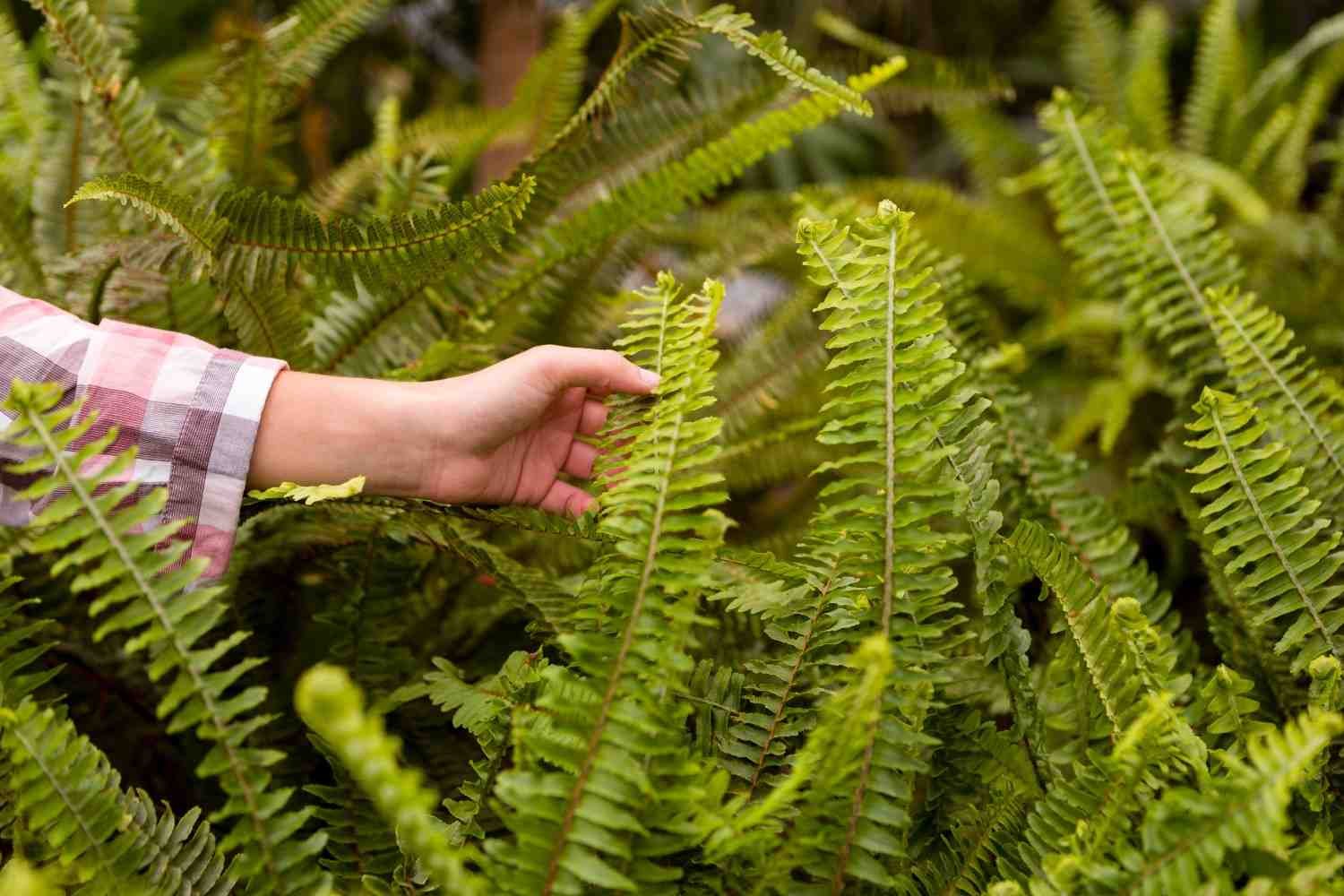
Boston ferns prefer consistently moist soil and moderate to high humidity. Their thin fronds and fibrous roots lose moisture quickly, especially indoors.
Central heating and air conditioning can dry the air inside US homes. A fern placed near a furnace vent, fireplace, sunny window, or exterior door may lose water faster than expected.
Other common causes include a root-bound pot, compacted soil, direct afternoon sun, infrequent watering, and a lightweight hanging basket that dries rapidly. Peat-based potting mixes can also become hydrophobic when they dry completely. Water then runs around the root ball instead of soaking into it.
How to Revive a Dried-Out Boston Fern Step by Step
1. Move the Fern Away From Direct Sun
I begin by moving the plant into bright, indirect light. Direct sunlight increases water loss and can scorch already weakened fronds.
An east-facing window often works well because it provides gentle morning light. Near a south- or west-facing window, I place the fern several feet back or filter the light with a sheer curtain.
I also keep the plant away from heating vents, air-conditioning registers, ceiling fans, and cold drafts.
2. Remove Fully Brown and Crispy Fronds
Next, I cut off fronds that are completely brown, dry, or brittle. These fronds cannot recover, and removing them makes it easier to inspect the crown and monitor new growth.
I use clean, sharp scissors or pruning shears and cut each dead frond near the soil line without damaging healthy stems.
I do not automatically remove every frond with a brown tip. A partly green frond can still photosynthesize and support the plant during recovery.
If nearly the entire fern is brown but the crown remains alive, I may cut the plant back to about 1 or 2 inches above the soil. This can look drastic, but it allows the fern to direct energy toward new growth.
3. Rehydrate the Root Ball Thoroughly
A severely dry Boston fern often needs more than a quick watering from the top. When the potting mix becomes hydrophobic, poured water may run directly through the drainage holes while the center stays dry.
I place the nursery pot in a sink, bucket, or basin filled with room-temperature water. The water should rise high enough to soak most of the root ball without covering the crown.
I let the pot absorb water until the soil feels evenly moist and air bubbles slow down. This often takes between 20 and 60 minutes, depending on the pot size and how dry the soil has become.
After soaking, I lift the pot out and allow it to drain completely. I never leave the Boston fern standing permanently in water because saturated soil can suffocate the roots and cause rot.
4. Check the Roots and Potting Soil

If the fern remains wilted after rehydration, I slide it gently out of the pot and examine the roots.
Healthy Boston fern roots usually look pale, tan, or light brown and feel firm. Black, slimy, foul-smelling roots indicate root rot. Dry, brittle roots may have died from prolonged dehydration.
I trim away rotten roots with sanitized scissors. If the remaining soil is compacted, sour-smelling, or unable to absorb water evenly, I repot the fern in fresh houseplant potting mix with added perlite or fine orchid bark for drainage.
I choose a container with drainage holes. An oversized pot can hold too much moisture, so I use one only slightly larger than the remaining root system.
5. Raise Humidity Around the Fern
Low humidity can prevent a stressed Boston fern from recovering, even when the soil stays moist.
I aim for humidity near 50% or higher. A room humidifier provides the most consistent improvement. Grouping plants together can also create a slightly more humid microclimate.
A pebble tray may help a little, but the pot must sit above the water rather than inside it. Misting can temporarily wet the leaves, but it does not raise room humidity for long.
For a severely damaged plant, I sometimes place a loose, clear plastic bag around the foliage to create a temporary humidity chamber. I keep the plastic from pressing against the fronds and open it daily for ventilation. Once new growth appears, I gradually remove the cover.
6. Keep the Soil Evenly Moist
After the initial soak, I do not follow a rigid watering schedule. Instead, I check the soil frequently.
I water when the surface begins to feel slightly dry but the root zone still contains some moisture. The goal is evenly moist soil, not swampy soil.
Hanging Boston ferns may need water more often than plants in ceramic or plastic containers. During hot US summers, outdoor ferns can dry surprisingly fast. Indoor plants may need less frequent watering during winter, although heating systems can still create very dry conditions.
7. Wait Before Fertilizing
I avoid fertilizing a newly rescued Boston fern. Damaged roots cannot use nutrients efficiently, and fertilizer salts may worsen stress or burn the remaining roots.
I wait until the plant produces healthy new fronds and shows steady growth. I then apply a diluted, balanced houseplant fertilizer during the active growing season.
More fertilizer will not make a dehydrated fern recover faster. Water, humidity, indirect light, and stable temperatures matter much more during the first few weeks.
How Long Does a Boston Fern Take to Recover?
Recovery depends on how long the plant remained dry and how much living tissue remains.
During the first 24 hours, surviving green fronds may become slightly more upright. Dead, crispy fronds will not improve.
Within one to two weeks, the crown may begin showing small curled fiddleheads. New growth often becomes more noticeable after two to four weeks.
A severely damaged fern may need four to eight weeks to regain a fuller shape. I continue checking the crown during this period rather than judging the plant by its old brown foliage.
If no new growth appears after six to eight weeks and the crown becomes brittle or mushy, the plant may not be viable.
Should I Repot a Dried-Out Boston Fern Immediately?
I repot immediately only when the soil has become unusable, the fern is badly root-bound, or the roots show signs of rot.
Repotting creates additional stress, so a plant with healthy soil and roots may benefit from stabilizing first. After rehydration, I usually give it several days before deciding whether a new pot is necessary.
When repotting, I avoid removing all the old soil from healthy roots. I loosen the outer root mass gently and place the plant at the same depth it previously grew.
What Should I Avoid While Reviving a Boston Fern?
The most common mistake is overcorrecting. A dry fern needs thorough rehydration, but it does not need to sit in soggy soil for days.
I also avoid placing it in intense sunlight, applying strong fertilizer, misting constantly without improving humidity, or cutting into the living crown.
Another mistake is assuming every brown fern needs more water. Brown fronds can also result from root rot, fertilizer burn, spider mites, salt buildup, cold injury, or direct sun exposure. Checking the soil and roots prevents the wrong treatment.
How Can I Prevent My Boston Fern From Drying Out Again?
Once I understand how to revive a dried-out Boston fern, prevention becomes much easier. I keep the plant in bright indirect light, check its soil several times a week, and maintain steady humidity.
I also avoid allowing the potting mix to become bone-dry. If water starts running immediately through the pot, I check whether the root ball has become compacted or water-repellent.
During warm weather, I monitor outdoor hanging baskets daily. Indoors, I pay extra attention when the furnace or air conditioner runs frequently.
Consistent care works better than repeatedly soaking a fern after severe dehydration.
Frequently Asked Questions (FAQs)
1. Can a Completely Brown Boston Fern Grow Back?
Yes, a completely brown fern may grow back if the crown and part of the root system remain alive. Cut away dead fronds, rehydrate the soil, and watch for new fiddleheads.
2. Should I Cut All the Dead Leaves Off My Boston Fern?
Remove fronds that are fully brown and brittle. Leave partly green fronds in place unless they are diseased or heavily damaged.
3. Can I Soak a Boston Fern in Water?
Yes. Soaking can rehydrate a severely dry or hydrophobic root ball. Remove the pot after the soil becomes evenly moist and let it drain thoroughly.
4. Why Is My Boston Fern Still Crispy After Watering?
Dead fronds stay crispy after watering. Recovery appears through new growth from the crown, not through old brown leaves turning green again.
5. How Often Should I Water a Recovering Boston Fern?
Water when the soil surface begins to dry slightly. Check the plant rather than relying on a fixed weekly schedule because temperature, humidity, pot size, and light affect moisture loss.
6. Can Misting Revive a Dying Boston Fern?
Misting alone will not revive the plant. It may briefly wet the foliage, but thorough root hydration and consistently higher humidity are more effective.
Give the Fern Time to Prove It Is Alive
I never discard a dried Boston fern based only on its brown foliage. I first inspect the crown, rehydrate the root ball, remove dead growth, and give the plant several weeks in stable conditions. I also monitor the soil carefully because learning how to get rid of fungus gnats without harming pets often begins with avoiding persistently wet potting mix.
A severely stressed fern may look bare before new fronds emerge, but a firm crown can hold surprising recovery potential. With evenly moist soil, bright indirect light, better humidity, and no fertilizer during the early recovery period, the plant may gradually rebuild itself.