When the first mild days arrive, I always feel ready to fill empty pots and garden beds with fresh greenery. However, early spring weather can change quickly. A sunny afternoon may be followed by cold rain, strong wind, or an unexpected frost overnight.
Choosing the best herbs to plant in early spring helps me start the growing season without exposing delicate plants to unsuitable conditions. Cool-tolerant herbs such as cilantro, dill, parsley, chives, thyme, and sage can establish before warmer weather arrives. Tender herbs, including basil, are better started indoors until outdoor temperatures become reliable.
What Counts as Early Spring?
Early spring does not begin on the same date everywhere. Local climate, elevation, rainfall, and garden position all affect when planting can begin.
Instead of relying entirely on the calendar, check whether the ground has thawed and the soil can be worked without becoming sticky or compacted. Soil that forms a heavy wet ball in your hand usually needs more time to dry.
The average final frost date is another useful guide. Hardy herbs can tolerate cool conditions, but frost-sensitive plants should remain indoors until the risk of freezing weather has passed.
Cool-Season Herbs to Sow Directly
Cilantro
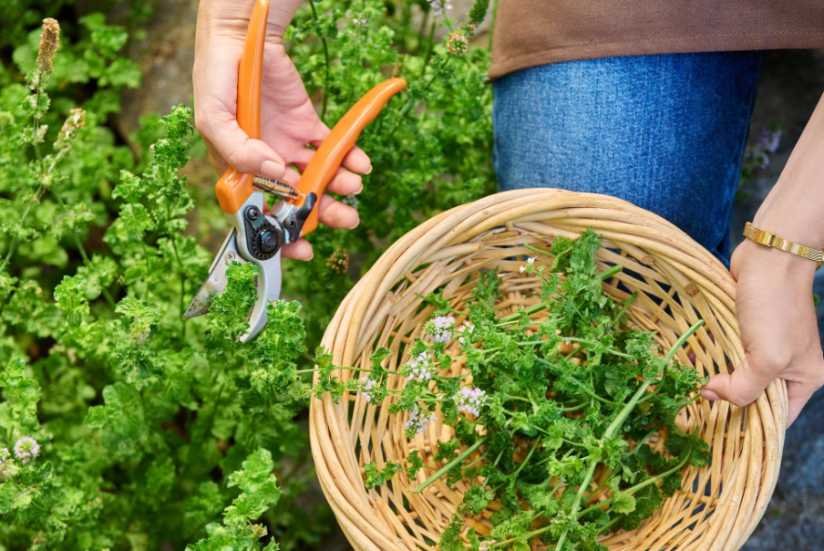
Cilantro prefers cool temperatures and often struggles once summer heat arrives. Sow the seeds directly into loose soil because the plant develops a taproot that does not always respond well to transplanting.
Plant a small batch every two or three weeks to extend the harvest. Pick the outer leaves regularly before flower stalks begin to appear.
Dill
Dill is another herb that performs well when sown directly. Its long root can be disturbed during transplanting, so planting seeds in their permanent position usually produces stronger plants.
Choose a sunny, sheltered location because mature stems may bend in strong wind. Repeated sowing can provide tender leaves for several weeks.
Parsley
Parsley handles cool conditions well, although its seeds may take several weeks to germinate. Soaking the seeds overnight before planting may help soften the outer coating.
Keep the soil consistently moist during germination, but avoid leaving it waterlogged. Both curly and flat-leaf varieties grow successfully in beds, raised planters, and deep containers.
Chervil
Chervil grows best in cool conditions and can tolerate partial shade. Sow the seeds directly and cover them with only a thin layer of soil.
The delicate leaves have their best texture and flavor before temperatures rise. Small repeat sowings are more practical than planting the entire seed packet at once.
Chamomile
Chamomile can be started early because its seedlings tolerate cool weather. Press the tiny seeds lightly onto the soil surface rather than burying them deeply, as light helps them germinate.
German chamomile grows as an annual, while Roman chamomile is a low-growing perennial. Both types produce small flowers that attract beneficial insects.
Hardy Perennial Herbs to Plant
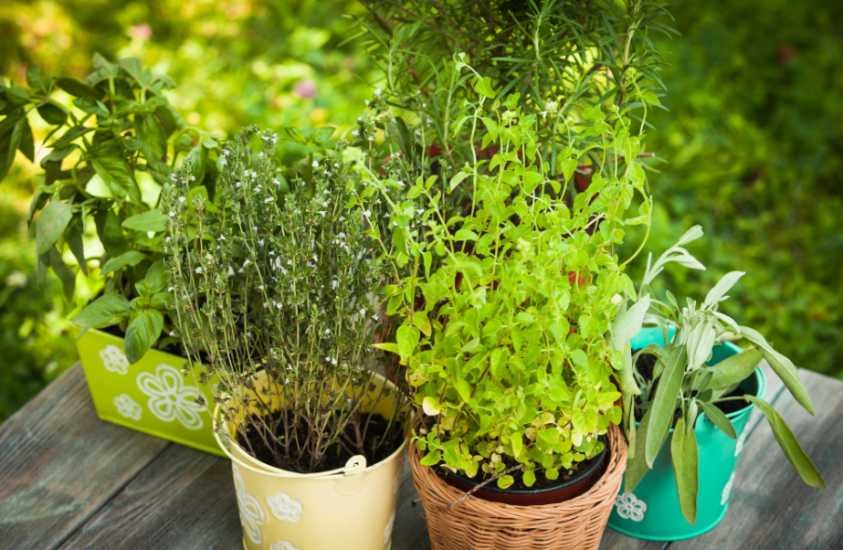
A productive herb garden does not require expensive landscaping or a large growing area. Reusing containers, dividing established plants, and choosing low-maintenance perennials are practical parts of designing an outdoor lifestyle on a budget while still creating a useful and inviting space.
Chives
Chives are among the earliest perennial herbs to produce new growth. Established clumps can be divided and replanted once the soil is workable.
Harvest leaves when they reach several inches tall. Cut them close to the base while leaving enough growth for the plant to recover.
Thyme
Thyme prefers full sunlight and sharply drained soil. It performs well in raised beds, rock gardens, borders, and terracotta containers.
Avoid planting it in heavy, constantly wet ground. Excessive moisture can weaken the roots and reduce the plant’s natural flavor.
Oregano
Oregano establishes more quickly from a nursery plant or division than from seed. Place it in a sunny position with good airflow.
Once established, oregano requires little attention. Regular trimming encourages compact growth and provides tender leaves for cooking.
Sage
Sage is a woody perennial that benefits from an early start. Choose a sunny area with free-draining soil and enough space for air to move around the leaves.
Light pruning can encourage fresh growth, but avoid cutting deeply into old, leafless stems.
Mint
Mint tolerates cool temperatures and begins spreading quickly as conditions improve. Its vigorous roots can overwhelm nearby plants, so a container is usually the safest option.
Use a pot with drainage holes and keep the soil evenly moist. Placing the container close to the kitchen makes regular harvesting more convenient.
Lemon Balm
Lemon balm is related to mint and spreads in a similar way. It can grow in full sun or partial shade, although some afternoon shade may help in warmer conditions.
Growing it in a container prevents unwanted spreading and makes it easier to control self-seeding.
Herbs to Start Indoors
Basil
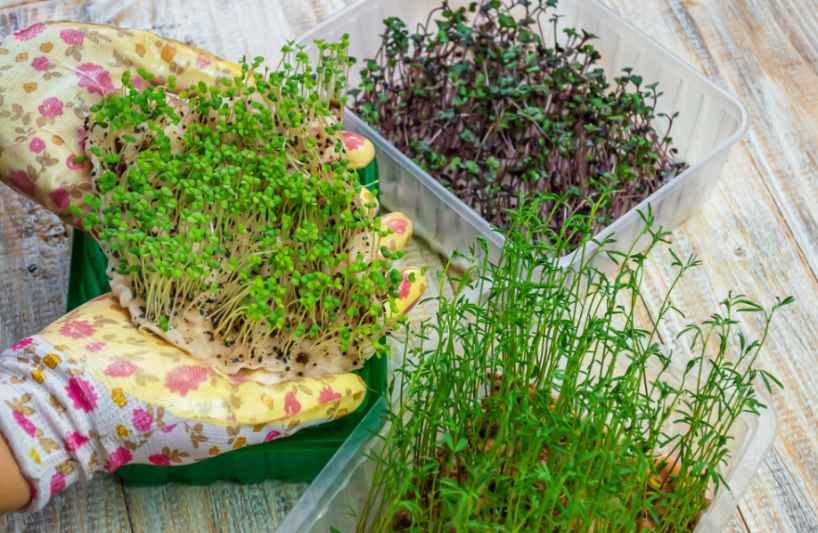
Sweet basil loves warmth and may suffer damage when nights are cold. Start seeds indoors in a bright, warm location and wait until frost danger has passed before moving plants outside.
Harden the seedlings gradually by placing them outdoors for short periods over seven to ten days. Increase their exposure each day before transplanting permanently.
Rosemary
Rosemary seeds can germinate slowly and unevenly. Starting them indoors early provides more time for seedlings to develop before outdoor planting.
Buying a healthy young plant is often the easier choice. Place it near a sunny window until outdoor temperatures become mild.
How to Protect Young Herbs
Check the weather forecast regularly during the first few weeks. Cover seedlings with frost cloth, a cloche, or an overturned container when freezing temperatures are expected.
Remove covers during warm daylight hours so heat and humidity do not build up around the plants. Containers can also be moved into a sheltered area overnight.
Cold soil holds water longer than warm summer soil. Water only when the upper layer begins to feel dry, and make sure containers drain freely.
Overwatering indoor seedlings and container herbs can leave the potting mix damp enough for small pests to breed.
If tiny flies begin hovering near the soil, learning how to get rid of fungus gnats in houseplants naturally can help protect young roots without relying on harsh treatments.
Frequently Asked Questions
1. What are the best herbs to plant in early spring before frost has ended?
Cilantro, dill, parsley, chervil, chamomile, chives, thyme, oregano, sage, mint, and lemon balm are reliable choices for cool conditions.
2. Can basil be planted outside early?
Basil should remain indoors until frost risk has passed and nighttime temperatures stay mild. Cold soil and chilly air can slow growth or damage the leaves.
3. Which herbs grow fastest during cool weather?
Cilantro, dill, chives, and chamomile can produce relatively fast growth when they receive suitable sunlight, moisture, and drainage.
4. Can spring herbs grow in containers?
Yes. Use containers with drainage holes and enough depth for each plant’s roots. Pots are particularly useful for controlling spreading herbs such as mint and lemon balm.
A Fresh Start for the Growing Season
Starting herbs early gives me fresh leaves while the rest of the garden is still waking up. I get better results when I choose plants that match the season instead of forcing heat-loving varieties into cold ground.
By checking frost dates, improving drainage, sowing small batches, and keeping plant protection nearby, I can build a productive herb garden long before summer. Selecting the best herbs to plant in early spring creates a stronger start, a longer harvest, and more homegrown flavor throughout the season.