The first time I pushed a garden fork into heavy clay, it stopped after two inches. Water pooled on top, young roots struggled, and the surface hardened after every sunny day.
Learning how to improve clay soil for a vegetable garden changed my approach. I stopped trying to replace the soil and began improving its structure with compost, careful loosening, mulch, and living roots.
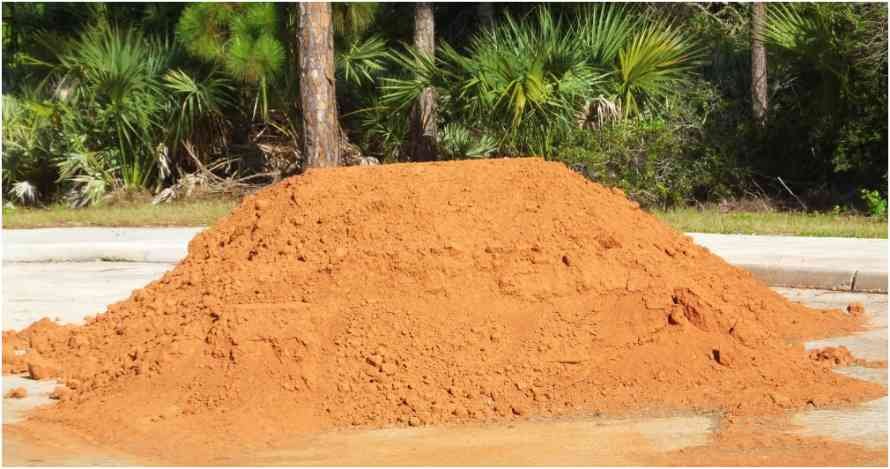
Clay is not worthless soil. It often holds water and nutrients better than sandy ground. Its weakness is physical structure. Tiny particles pack closely together, leaving little room for oxygen, drainage, and root movement. Clay also compacts and crusts easily and warms slowly during spring.
Why Clay Soil Challenges Vegetable Roots
Healthy roots need a balance of soil particles, water, and air. Dense clay can remain saturated after rain, yet become hard and cracked during dry weather.
Poor air movement limits root respiration. Compaction also makes it harder for carrots, onions, and seedlings to expand. The aim is not to turn clay into sand. The aim is to create stable crumbs, or aggregates, with spaces between them.
Organic matter supports this process. Compost, decayed leaves, roots, and soil organisms help particles bind into larger units. These aggregates improve airflow, drainage, nutrient cycling, and root access. USDA guidance connects healthier soil management with reduced compaction, greater organic matter, and improved water movement.
Test the Soil Before Adding Amendments
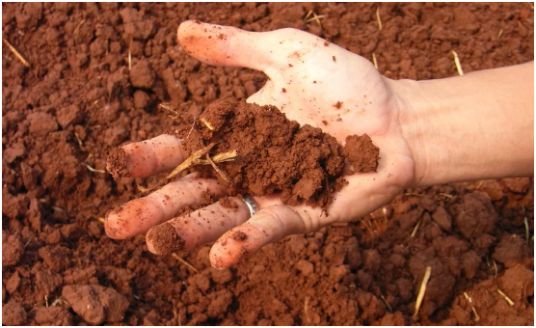
Before deciding how to improve clay soil for a vegetable garden, I check both moisture and fertility. Adding amendments without testing can waste money or create nutrient problems.
Check the Moisture by Hand
Never dig or till wet clay. Working saturated ground squeezes out air and forms dense clods that can remain for months.
Take soil from about four inches below the surface and squeeze it. If it smears, bends like modeling clay, or forms a shiny ribbon, wait. If the ball breaks apart under gentle pressure, the bed is ready.
I repeat this test in several places because one shaded corner may remain wetter than the rest. Oregon State University recommends working soil only when a squeezed sample breaks apart easily.
Order a Laboratory Soil Test
A soil test measures pH and plant nutrients. Many extension laboratories also report organic matter.
Testing matters because repeated manure or compost applications can raise phosphorus, potassium, or soluble salts. Oregon State University advises reducing further compost applications when organic matter has already reached roughly 3% to 5%, depending on test results and local recommendations.
Follow the laboratory’s sampling instructions. Combine several cores from the growing area, but exclude walkways, compost piles, and unusual patches.
How to Improve Clay Soil for a Vegetable Garden Step by Step
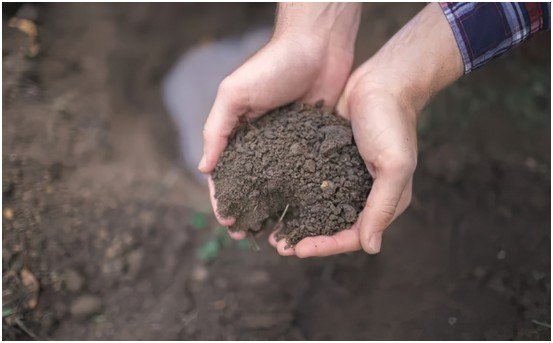
The safest method combines finished organic matter with minimal disturbance. It creates planting space without repeatedly breaking the developing soil structure.
Apply Finished Organic Matter
Spread one to two inches of mature compost across an established vegetable bed. Severely compacted new beds may benefit from an initial two-inch application, followed by smaller annual additions based on soil-test results.
University of Minnesota Extension recommends incorporating one to two inches of compost about six to eight inches deep in compacted vegetable and flower beds. Organic matter improves air and water movement through dense soil.
Use dark, crumbly compost with an earthy smell. Suitable materials include finished yard-waste compost, aged leaf mold, or properly composted manure. Avoid fresh manure near food crops because it may carry pathogens, contain excessive salts, or burn roots.
Loosen the Clay Without Pulverizing It
Push a garden fork or broadfork into the bed. Rock it backward to lift and crack the soil without turning every layer upside down.
Work across the bed in rows. Allow compost to fall into the openings, but do not chase a perfectly blended texture. Worms, roots, water, and freeze-thaw cycles will continue the mixing.
This low-disturbance method is central to how to improve clay soil for a vegetable garden because repeated aggressive tilling can leave bare soil vulnerable to crusting and recompaction.
Protect the Surface With Mulch
Cover the amended bed with about two inches of shredded leaves, clean straw, or another seed-free organic mulch. Keep mulch slightly away from vegetable stems.
Mulch softens the impact of rain, reduces surface crusting, limits weeds, and slows evaporation. It can also reduce watering frequency because covered soil retains moisture longer.
Do not bury woody mulch deeply in the root zone. Keep coarse wood chips mainly on paths or the soil surface.
Amendments to Avoid in Heavy Clay
Do not add a small amount of sand to clay. Sand does not automatically create loam. In the wrong proportions, the particles can produce a dense, rock-hard mixture. Penn State Extension recommends organic matter rather than sand for loosening clay soil.
Gypsum is also not a universal clay remedy. It may help certain sodic soils, but ordinary garden clay does not automatically need it. Apply gypsum only when a soil test or local extension professional identifies a relevant sodium-related problem.
Avoid adding fresh wood chips, uncomposted sawdust, or thick layers of fresh manure directly to planting soil. These materials can interfere with nitrogen availability, root health, or nutrient balance.
Build Better Garden Soil Season After Season
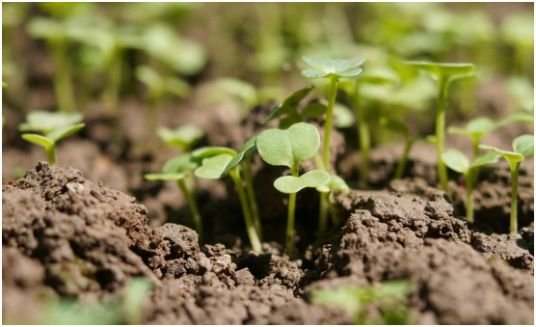
Understanding how to improve clay soil for a vegetable garden means accepting that soil structure develops gradually. One large compost application cannot replace careful annual management.
Keep Beds Permanently Planted
Create permanent growing beds with separate paths. Dig, kneel, and walk only in the paths.
Reduced disturbance allows fungal networks, worm channels, and root passages to remain intact. Each channel becomes a route for oxygen and water.
Raised beds can help where drainage remains poor. They warm and drain faster than surrounding clay, although their looser soil may need more frequent moisture checks.
Grow Cover Crops
Plant cover crops whenever a bed would otherwise remain bare. Cereal rye produces large amounts of organic material. Clover contributes nitrogen. Daikon radish creates deep root channels and helps open compacted layers.
A grass-and-legume mix can combine biomass production with nitrogen fixation. Choose species for your climate and termination schedule because some winter cover crops become difficult to manage if allowed to mature.
Cut the crop near ground level before it sets seed. Leave the roots in place and use the tops as mulch or compost material.
Keep Feet Out of Growing Areas
Foot traffic can erase months of structural improvement. I make beds narrow enough to reach from either side without stepping into them.
Boards placed temporarily across beds can spread weight during planting. Permanent paths covered with wood chips also make the no-step rule easier to follow.
Vegetables That Grow Well in Improving Clay Soil
While learning how to improve clay soil for a vegetable garden, start with crops that tolerate moisture-retentive or moderately firm ground.
Broccoli, cabbage, Brussels sprouts, and sweet corn appreciate stable anchorage. Lettuce, Swiss chard, bush beans, and many herbs rely heavily on the improved upper layer. Pumpkins and summer squash can perform well when planted on compost-enriched mounds.
Delay long carrots and parsnips until the bed becomes deeper and more friable. Short, round carrot varieties are more forgiving during the first seasons. Potatoes may also produce misshapen tubers in dense, clod-filled soil.
No vegetable tolerates standing water for long. If water remains for days after moderate rain, investigate grading, runoff, compacted subsoil, or a naturally high water table.
My Three-Season Clay Soil Progress Test
I judge progress with three observations rather than expecting instant loam.
After the first season, I check whether rainfall enters the surface instead of pooling. During the second, I compare how easily a fork reaches six inches. By the third, I look for crumbly aggregates, worm channels, and roots extending below the original amended layer.
I also photograph the same soil profile each spring. A ruler placed beside the hole records depth. This simple comparison reveals progress that daily observation often misses.
Clay-heavy soil may take several years of annual organic additions and careful management to show major improvement. Oregon State University notes that yearly organic matter additions can produce better drainage and biological activity over about five years.
Frequently Asked Questions
1. What is the fastest way to improve heavy clay garden soil?
Apply mature compost when the ground is crumbly, loosen it with a fork, cover it with mulch, and prevent all unnecessary foot traffic.
2. How much compost should I add to clay soil?
Begin with one to two inches in most beds, then use soil-test results to prevent excessive phosphorus, potassium, salts, or organic matter.
3. Can I plant vegetables immediately after amending clay soil?
Yes, when you use mature compost and the bed drains properly. Avoid planting into wet, freshly worked clay or uncomposted manure.
4. How long does it take to improve clay soil for vegetables?
Noticeable surface changes may appear within one season, but deeper structural improvement usually requires several years of mulching, roots, compost, and limited disturbance.
Your Clay Is Tough, but You Are Tougher
My best lesson about how to improve clay soil for a vegetable garden was simple: steady care beats a dramatic soil overhaul. Compost feeds the system, roots open channels, mulch protects the surface, and patience allows structure to develop.
Start with one manageable bed. Test the soil, wait for suitable moisture, add measured compost, loosen gently, and apply mulch. Repeat the process according to annual observations and soil-test results. Your next fork test should feel easier than the last.