Bringing fresh basil to the dinner table feels like absolute magic until unwanted pests invade the kitchen counter. Learning how to keep bugs off indoor herbs rescued my personal windowsill garden from an embarrassing spider mite catastrophe.
Growing culinary greens inside your home should bring vibrant flavor to your daily cooking without an unexpected swarm of bugs. Simple routine checks and organic care habits turn your windowsill into a thriving, green sanctuary for delicious home cooking.
Key Takeaways
- Provide bright light daily.
- Dry topsoil between waterings.
- Inspect all new plants.
- Rinse foliage with water.
- Spray diluted Castile soap.
Keep Bugs Off Indoor Herbs Easy Way
Nobody likes seasoning their homemade pasta sauce with unexpected leafy critters or sticky insect webs. Discovering how to keep bugs off indoor herbs preserves your hard work and keeps your culinary dishes completely appetite friendly.
Fresh indoor herbs bring lively aromas and bright colors into your kitchen, so keeping pests away ensures every single leaf remains appetizing, clean, and delicious whenever hunger strikes.
Essential Prevention Practices for Pests
Building a solid defensive routine keeps your potted greens growing strong while shutting down bug infestations before they start.
Providing Bright Light for Stronger Foliage
Herbs growing on indoor windowsills need plenty of direct sunlight or artificial illumination to maintain strong plant walls. Weak, leggy plants growing in dark corners become stressed quickly, making them super attractive targets for hungry insects. Placing your herb pots near a bright south-facing window or setting up simple LED grow lights builds tough plant tissues that resist damage.
Healthy plants withstand minor bug attacks much better than shaded, struggling greenery. When herbs receive six to eight hours of bright light each day, their natural defense systems stay strong. Strong foliage creates a sturdy natural barrier that deters soft-bodied insects from settling down and laying eggs on your precious kitchen crops.
Managing Soil Moisture to Prevent Gnats
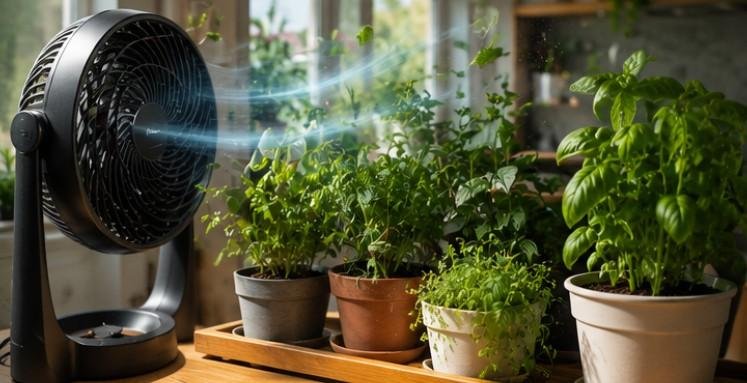
Overwatering your potted greens creates the ultimate wet breeding ground for soil pests like tiny fungus gnats. Allowing the top layer of potting soil to dry out completely between waterings starves developing larvae and breaks their life cycle effectively. Checking soil moisture with your finger before grabbing the watering can prevents soggy conditions that attract unwanted bugs.
Bottom watering by letting pots sit in a shallow tray of water for twenty minutes supplies deep moisture directly to roots. This clever technique keeps the topsoil surface bone dry while satisfying your plant’s hydration needs. Uninviting dry topsoil ensures flying pests look elsewhere to lay their eggs, keeping your kitchen counter clean and pest free.
Inspecting and Isolating New Kitchen Plants
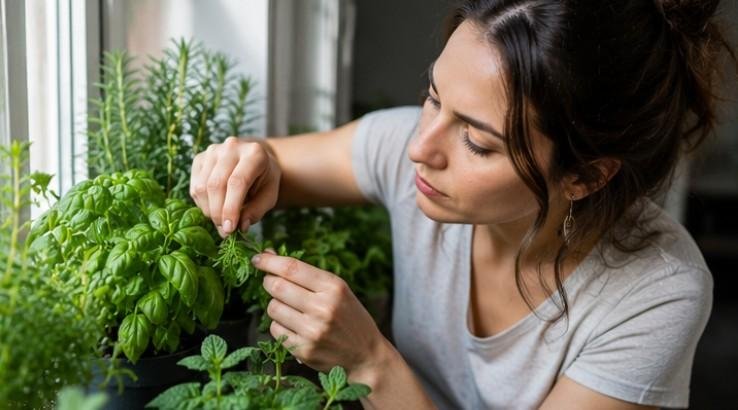
Bringing home fresh potted parsley or mint from the local grocery store often invites sneaky hitchhikers right onto your counter. Always perform a thorough visual inspection under leaves and along stems before placing new pots next to existing greens. A quick inspection catches tiny aphids or webbed mites before they spread throughout your entire indoor container collection.
Keeping fresh plants separated in a different room for two weeks isolates hidden pests so your main herb garden stays entirely protected. During this quarantine window, monitor leaf undersides and soil surfaces for any signs of movement. Catching hitchhikers early saves you from battling a widespread houseplant invasion down the road.
Practical Methods on How to Keep Bugs Off Indoor Herbs
Applying safe organic fungicides directly eliminates active pests without placing dangerous chemical residues on your culinary leaves.
Rinsing Foliage with Tepid Water
A gentle shower at your kitchen sink works wonders for removing soft-bodied insects from delicate herb leaves instantly. Adjust your faucet to produce a lukewarm, soft spray and carefully wash both upper and lower leaf surfaces. Knocking off aphids and whiteflies physically reduces pest populations without needing any fancy chemicals or complex equipment.
Placing a small plastic bag over the potting soil during this shower prevents loose bugs from falling into the dirt. Protecting the soil ensures washed-off pests swirl right down the drain instead of crawling back up the stems later. Repeating this simple water rinse every few days keeps pest numbers ridiculously low.
Spraying Natural Insecticidal Soap
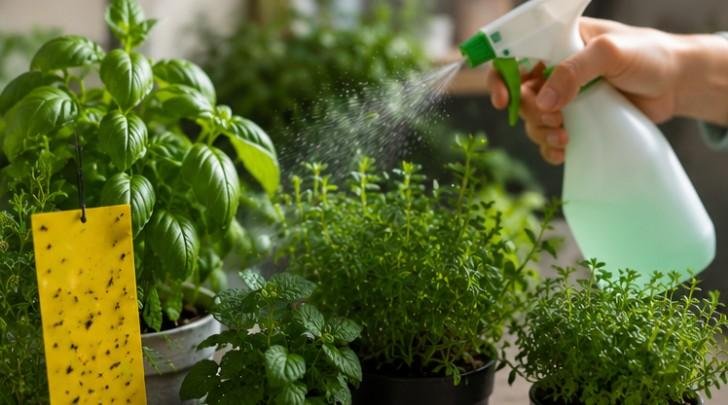
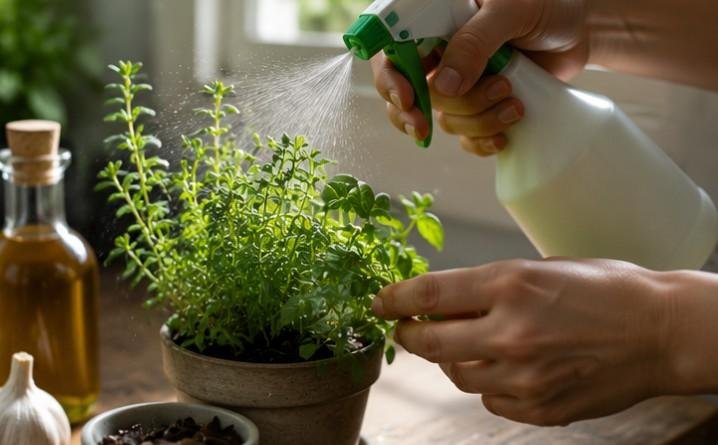
Mixing pure liquid Castile soap with warm water creates an effective pest solution that disrupts soft insect coats on contact. Combine one tablespoon of mild soap per quart of water inside a clean spray bottle and shake the contents thoroughly. Mild soap sprays break down the protective coating of aphids and spider mites without harming fragile plant tissues.
Lightly misting affected leaves every few days breaks down persistent pest populations while leaving your culinary greens completely food safe. Make sure to spray the undersides of leaves where insects love to hide from view. A quick rinse under tap water before cooking easily removes any soapy residue.
Applying Organic Neem Oil and Rubbing Alcohol
Pure organic neem oil acts as a fantastic natural treatment that smothers persistent pests and disrupts their reproductive development. Spraying a light neem mixture during evening hours protects tender leaves from potential light burn under strong sun or grow lights. Neem oil provides long-lasting protection by preventing young insects from maturing into egg-laying adults.
For stubborn individual bugs like mealybugs or scale, dab a cotton swab dipped in standard rubbing alcohol directly onto the insect. The alcohol dissolves their protective waxy coating instantly, neutralizing the pest on contact without harming surrounding foliage. This targeted spot treatment works exceptionally well for small, localized insect clusters.
Food Safety and Harvest Guidelines After Spraying
Protecting your plants requires sensible post-treatment care so your harvested herbs remain delicious and clean for cooking.
Observing Proper Post-Treatment Wait Times
Even organic remedies like Castile soap and neem oil need a brief window of time to dissipate off plant tissue safely. Waiting twenty-four to forty-eight hours after applying any natural treatment prevents lingering bitter or soapy flavors from soaking into your dinner. Giving remedies time to dry ensures your herbs taste exactly as nature intended.
This brief waiting period gives natural active ingredients time to defeat pests while protecting the aromatic essential oils packed inside your leaves. Rushing to harvest immediately after spraying can ruin delicate leaf flavors. Patience guarantees your home-cooked dishes stay rich and flavorful.
Washing Harvested Leaves Before Cooking
Cleaning your freshly picked herb sprigs right before meal prep ensures all organic residues and loose dust disappear completely. Submerge your harvested basil, cilantro, or thyme in a deep bowl of cold water and swish them gently for thirty seconds. Floating away debris leaves your fresh pickings looking crisp and appetizing.
Patting leaves dry with clean paper towels leaves you with pristine greens ready to elevate your favorite culinary creations. Taking a few extra seconds to rinse and dry your harvest ensures ultimate peace of mind. Your food stays safe, clean, and delicious every single time.
Frequently Asked Questions
1. How to keep bugs out of an indoor herb garden?
Provide bright light, avoid overwatering topsoil, quarantine new plants, and spray leaves regularly with a mild liquid Castile soap solution to control soft-bodied pests naturally without using harmful chemical sprays around your kitchen.
2. What can I use on my herbs to keep bugs away?
Apply food-safe insecticidal sprays made from pure Castile soap, organic neem oil, or diluted rubbing alcohol directly onto stems and leaves to deter common houseplant insects safely without ruining edible foliage.
3. What smell do most bugs hate?
Most indoor pests dislike strong aromatic scents like peppermint, lavender, rosemary, citrus, and garlic, which naturally mask target plants and confuse searching insects while keeping your kitchen smelling fresh and clean.
4. What can I put in my indoor plants to keep bugs away?
Set yellow sticky traps near containers, sprinkle food-grade diatomaceous earth onto dry topsoil, or add ground cinnamon powder to deter fungus gnats and crawling insects from taking over indoor pots.
Creative Ways to Enjoy Bug-Free Indoor Herbs
Mastering how to keep bugs off indoor herbs gives you the freedom to pick fresh, aromatic leaves directly from your windowsill whenever hunger strikes. With good light, proper watering, and simple natural sprays, your indoor garden will thrive without pests. Enjoy growing clean, tasty greens and elevate every meal with healthy, homegrown flavor all year long!