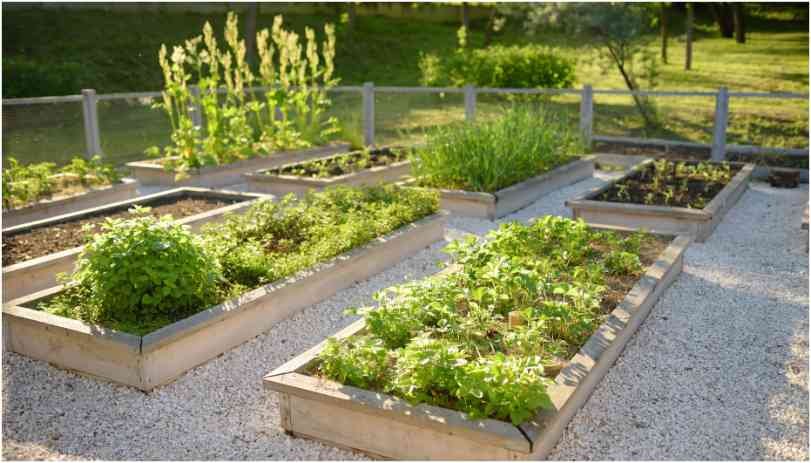
The best way to water raised garden beds is to use low-pressure drip irrigation beneath a layer of organic mulch. This setup delivers moisture near plant roots, limits evaporation and removes much of the guesswork from watering.
I learned that watering raised beds like an ordinary lawn creates several problems. The soil surface may look soaked while the deeper root zone remains dry. A properly calibrated drip system provides slower, more even moisture without spraying paths, leaves or empty spaces.
Why Raised Beds Need a Different Watering Strategy
Raised beds often drain and warm faster than surrounding garden soil. Their exposed sides also allow heat and wind to pull moisture from the growing mix.
However, that does not mean every bed needs daily watering. Soil composition, bed depth, sunlight, rainfall and plant size all affect moisture loss. A shallow bed filled with a light mix may dry quickly. A deep bed rich in loam and compost may hold water much longer.
The best way to water raised garden beds is therefore not a rigid daily schedule. It is a delivery system paired with regular soil checks.
University of Minnesota Extension recommends checking below the surface rather than judging soil by appearance. It suggests watering when the soil feels dry about two inches down. Mulched soil retains moisture longer and may need less frequent irrigation.
Top Raised Bed Watering Methods Ranked
| Rank | Method | Efficiency | Setup | Best use |
| 1 | Drip lines or kits | Excellent | Moderate | Several beds and dense planting |
| 2 | Garden watering grid | Excellent | Easy | Square-foot layouts and beginners |
| 3 | Soaker hose | Good | Easy | Established rows and small budgets |
| 4 | Hand watering | Fair | High effort | Seedlings and one small bed |
Drip irrigation earns first place because it applies water slowly near the root zone. The EPA reports that microirrigation can use 20% to 50% less water than conventional sprinkler systems. It reduces evaporation, runoff and accidental overwatering.
A garden grid offers similar benefits but uses rigid, evenly spaced sections. Soaker hoses are affordable, although their output can become uneven on long runs. Hand watering provides control around seedlings but demands time and consistent technique.
Why Drip Irrigation Works Best
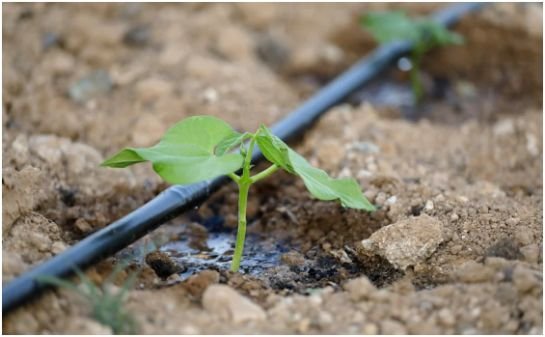
Water Reaches the Root Zone
Drip tubing releases small amounts of water over an extended period. This slower application gives the soil time to absorb moisture rather than allowing water to pool or escape over the bed’s edge.
The moisture then moves outward through the soil. Correct emitter spacing helps create overlapping wet zones instead of isolated damp spots.
University of Minnesota Extension identifies drip irrigation as the most efficient way to irrigate crops because it delivers water directly to roots and reduces evaporation. Watering only planted rows may also discourage weeds between crops.
Leaves Stay Dry
Overhead sprinklers wet foliage and send water outside the growing area. Wet leaves do not automatically cause disease, but prolonged moisture can create favorable conditions for several fungal and bacterial problems.
Drip irrigation keeps most foliage dry. It also reduces soil splash, which can move soil-borne pathogens onto stems and leaves. Extension guidance recommends drip irrigation or careful hand watering near plant roots for this reason.
Automation Prevents Moisture Swings
A hose timer makes watering more consistent during busy weeks or vacations. Stable soil moisture is especially useful while tomatoes, cucumbers, squash and peppers are flowering and developing fruit.
A timer should control the system, not replace observation. Pause it after useful rainfall and shorten cycles during cool weather. A soil-moisture controller offers an even smarter option because it prevents watering when the bed already contains enough moisture.
How to Install Drip Irrigation in a Raised Bed
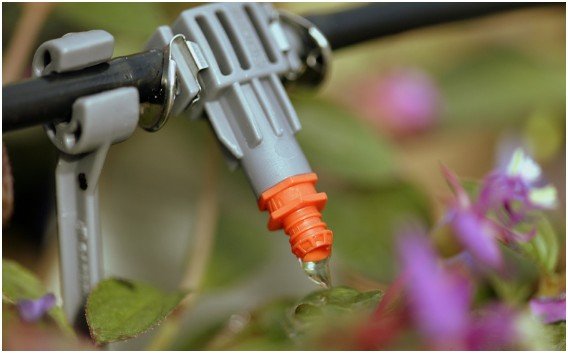
Assemble the Faucet Components
Begin at the outdoor faucet. A typical home system uses a backflow preventer, timer, filter and pressure regulator before the main tubing.
Follow the order required by the product manufacturer. Drip components operate under low pressure, so connecting them directly to high household pressure may damage tubing or fittings. Penn State Extension notes that excessive pressure can deform or burst drip tape, making reliable regulation essential.
Run the Main Supply Line
Attach 1/2-inch polyethylene tubing and route it toward the beds. Use elbows and tees to reach several beds without sharply bending the line.
Add a shutoff valve for each bed when possible. Separate valves let me stop watering an empty bed while continuing to irrigate productive crops.
Position the Drip Lines
Connect 1/4-inch emitter tubing or compatible dripline to the main supply. Lay parallel runs across the bed, keeping them close enough for their moisture patterns to overlap.
A spacing of roughly 6 to 12 inches suits many intensive vegetable beds, but the correct distance depends on soil. Sandy mixes allow water to move downward quickly and may need closer lines. Heavier mixes spread moisture farther sideways.
Place lines beside plant rows rather than pressing emitters against stems. Secure them with landscape staples so they remain in place during planting and mulching.
Flush, Test and Add Mulch
Leave the ends open during the first test. Run water until debris exits, then install the end caps. Check every connector and emitter for leaks or blockages.
Cover the tubing with about two inches of clean straw, shredded leaves or another suitable organic mulch. Mulch reduces surface evaporation, moderates soil temperature and suppresses weed growth. It also supports How to keep weeds out of a garden without chemicals by blocking light before many weed seeds germinate.
Do not bury removable connectors so deeply that maintenance becomes difficult.
How Long and How Often to Water
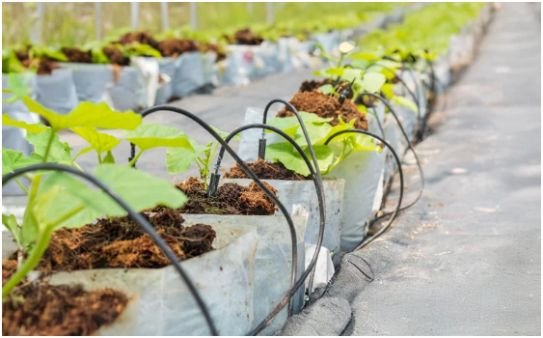
Use Soil Depth Instead of a Fixed Schedule
The best way to water raised garden beds changes throughout the growing season. Young transplants have small root systems and may need lighter, more frequent watering. Mature crops usually benefit from deeper watering with longer gaps between sessions.
Check moisture two to four inches below the surface. Irrigate when that zone feels dry rather than when the mulch looks dry. Colorado State University Extension also recommends using the top two to four inches as a practical moisture checkpoint.
Many vegetable gardens need roughly one inch of water per week from irrigation and rainfall. That equals about 20 gallons for a 4-by-8-foot bed. Extreme heat, sandy soil and fruiting crops may increase demand.
Calibrate Your System
My preferred test replaces vague timer advice with a measurable result:
- Run the drip system for 20 minutes.
- Wait another 20 minutes for moisture to spread.
- Dig a narrow inspection hole between two emitters.
- Measure how deeply and widely the soil is moist.
- Increase or reduce the next cycle based on that result.
Suppose moisture reaches only three inches after 20 minutes. A mature tomato bed may need a longer cycle. If water reaches the bottom and drains away, shorten the run or divide it into two cycles.
Repeat this test after changing mulch, replacing tubing or entering hot summer weather. This simple calibration makes the best way to water raised garden beds specific to the actual bed rather than a generic online schedule.
Raised Bed Watering Mistakes to Avoid
Brief daily sprinkling encourages shallow moisture patterns and can leave deeper roots dry. Watering at midday increases evaporative loss, while frequent evening leaf wetting may leave foliage damp overnight.
Avoid assuming all beds need the same runtime. A sunny tomato bed and a partly shaded lettuce bed rarely lose moisture at identical rates. Separate valves or irrigation zones solve this problem.
Do not place emitters too far apart. Dry pockets can develop between lines, especially in coarse mixes. Also inspect filters and end emitters regularly. Mineral buildup, soil particles and insect activity can reduce flow.
Finally, do not treat mulch as permission to overwater. Mulch slows moisture loss, so previously suitable schedules may keep the soil excessively wet after mulching.
Frequently Asked Questions
1. What is the best irrigation system for raised vegetable beds?
A low-pressure dripline or garden grid is usually best because it waters the root zone evenly while limiting runoff, evaporation and wet foliage.
2. How often should raised garden beds be watered in summer?
Check the soil every few days and water when it feels dry two to four inches deep; hot, windy conditions may require more frequent checks.
3. Is a soaker hose or drip irrigation better for raised beds?
Drip irrigation offers more predictable emitter placement and easier zoning, while a short soaker hose remains a practical choice for simple, budget-friendly beds.
4. What is the best time to water raised garden beds?
Early morning is generally ideal because temperatures are cooler, evaporation is lower and accidental moisture on foliage can dry during the day.
Stop Spraying and Start Soaking
The best way to water raised garden beds combines drip irrigation, mulch and hands-on moisture checks. None of these parts works as well alone.
Install the lines, test the wetting depth and adjust the timer as plants and weather change. Your goal is not to run irrigation on schedule. Your goal is to keep the active root zone evenly moist without sending valuable water beyond it.