Weeds do not need stronger chemicals. They need exposed soil, sunlight, moisture and enough time to establish roots. I learned that how to keep weeds out of a garden without chemicals is mostly about removing those opportunities before unwanted plants appear.
My most successful beds are not weed-free because I pull weeds constantly. They stay manageable because mulch, close planting and targeted watering work together as a prevention system.
Why Bare Soil Creates a Weed Problem
Bare soil acts like an invitation. Sunlight reaches dormant seeds, rain provides moisture and disturbed soil brings buried seeds closer to the surface.
Mulch interrupts that cycle by blocking light. It also reduces moisture loss and moderates soil temperature. University of Minnesota Extension recommends several inches of organic mulch for weed suppression and soil protection.
The goal is not to eliminate every weed seed. That would be impossible. The practical goal is to prevent most seeds from germinating and remove survivors before they reproduce.
Start With a Quick Bare-Soil Audit
Before adding anything, I walk around the garden and look for visible soil. I check between vegetables, beneath shrubs, around bed edges and beside irrigation lines.
Every exposed patch receives one of four treatments:
- Mulch it.
- Plant it.
- Cover it temporarily.
- Inspect it every week.
This two-minute audit is my original weed-control shortcut. Instead of waiting for weeds, I identify the exact places where they are likely to appear.
Also examine your soil before covering it. Compacted or poorly drained ground may need compost and careful loosening first. Gardeners dealing with heavy ground can improve clay soil for a vegetable garden before installing permanent mulch.
Smother Weeds With the Right Mulch
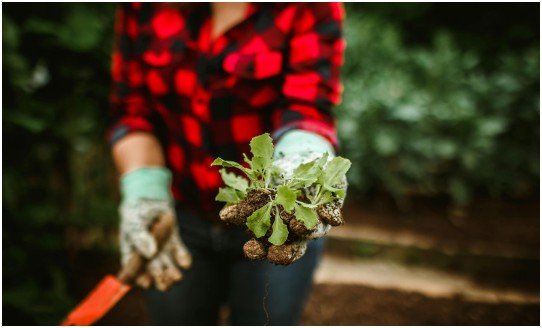
Mulching is the foundation of how to keep weeds out of a garden without chemicals because it blocks the light needed by many weed seeds.
Apply Organic Mulch at the Correct Depth
Spread two to three inches of shredded leaves, bark, untreated wood chips or clean straw over weed-free soil. Coarse wood chips may be applied slightly deeper in paths or around established perennials.
Avoid piling mulch against vegetable stems, tree trunks or shrub crowns. Trapped moisture can encourage decay. Excessively deep mulch may also restrict water movement and reduce oxygen around roots.
Choose mulch for the planting area:
- Use clean straw or shredded leaves around annual vegetables.
- Use wood chips around shrubs and perennial beds.
- Use compost as a thin surface layer, then cover it with coarser mulch.
Inspect straw carefully. Material containing mature seed heads can introduce a fresh weed problem.
Add Cardboard Below Mulch
For a badly overgrown bed, I use sheet mulching. Cut existing weeds low, remove seed heads and soak the soil. Lay plain, tape-free cardboard over the area with overlapping edges. Wet it thoroughly and cover it with mulch.
Cardboard temporarily blocks sunlight while decomposing below the surface. Penn State Extension describes sheet mulching as a way to smother unwanted vegetation with cardboard and organic material.
Do not use glossy, waxed or heavily printed boxes. Avoid placing thick cardboard directly around shallow-rooted plants that need regular water and airflow.
Reserve Landscape Fabric for Permanent Areas
Water-permeable landscape fabric can control weeds beneath gravel paths or permanent decorative stone. It is less suitable for active vegetable beds.
Soil and decomposed debris eventually collect above the fabric. Weeds can then root into that new surface layer. Fabric may also complicate planting, compost application and future bed changes.
Stop Watering Weed Seeds
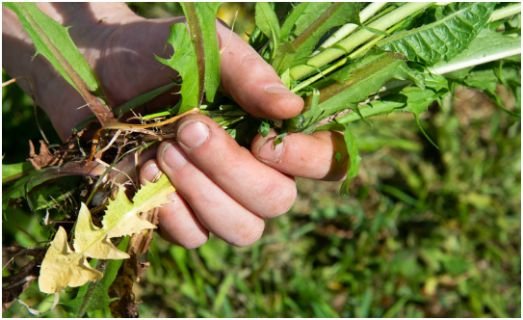
Changing irrigation made a noticeable difference in my garden. Overhead sprinklers wet every open space, including areas occupied only by weed seeds.
Drip lines and soaker hoses deliver water close to crop roots. Oregon State University Extension notes that drip irrigation keeps more of the surrounding soil dry, reducing weed germination and growth.
Place emitters near desired plants and check them for leaks. A leaking connector can create a small, perfectly watered weed nursery.
Mulch above or around the irrigation line after testing the system. This combination conserves water while limiting light and moisture available to weeds.
Use Dense Planting as Living Weed Control
Another part of how to keep weeds out of a garden without chemicals is replacing empty soil with useful plants.
Follow the recommended spacing for each crop, but avoid unnecessarily wide gaps. As vegetables mature, their leaves should form a partial canopy that shades the ground.
Low-growing herbs, flowers and cover crops can fill spaces around taller plants. Sweet alyssum, creeping thyme and nasturtiums may work in suitable beds. Their suitability depends on climate, crop size and water needs.
Do not crowd plants so tightly that air cannot circulate. Poor airflow can increase disease pressure. The aim is planned coverage, not an overcrowded jungle.
Disturb the Soil as Little as Possible
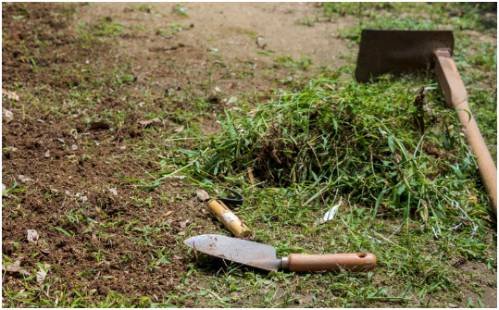
Deep digging can bring dormant weed seeds into the germination zone. I now disturb only the planting row or individual planting hole whenever the soil structure allows.
Use a narrow hoe to slice young weeds at the surface. Avoid repeatedly turning the entire bed. Reduced-tillage systems preserve soil structure and can limit weed problems between crop rows.
When adding compost, spread it over the surface and cover it with mulch. Earthworms, moisture and normal soil activity will gradually incorporate the organic matter.
Remove Existing Weeds Without Herbicides
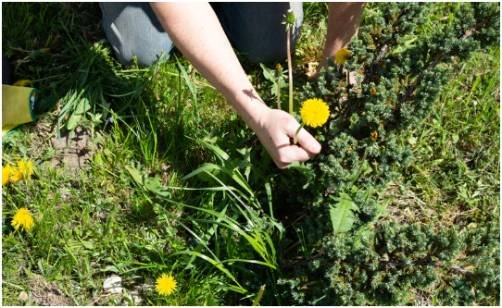
Prevention handles future weeds, but established plants still require direct action.
Pull Young Weeds After Rain
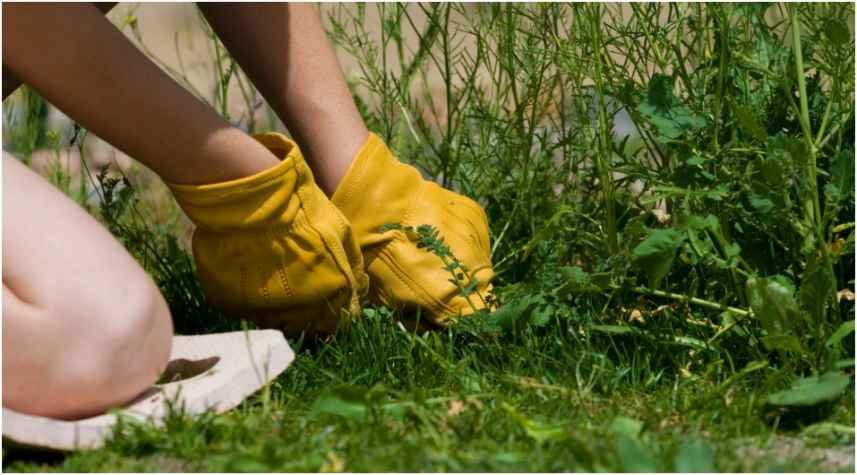
Pull weeds when the soil is moist but not waterlogged. Grip the plant near the soil and remove as much root as possible.
Annual weeds must come out before flowering or setting seed. Persistent perennials may require repeated removal. Continually cutting new growth weakens stored root reserves over time.
Never place mature seed heads or invasive roots in a cool backyard compost pile. Bag them according to local disposal guidance.
Solarize Empty Garden Beds
Solarization works well for an unplanted bed during the hottest, sunniest part of summer. Water the soil, stretch clear plastic tightly over it and bury or secure the edges.
Leave it undisturbed for roughly four to six weeks. The trapped heat can suppress existing vegetation and some weed seeds. Results depend on sunlight, climate, plastic contact and soil moisture.
Solarization is not practical around growing vegetables because the heat can damage them.
Use Boiling Water Only on Hard Surfaces
Boiling water can scorch weeds growing through driveway cracks, gravel edges and patio joints. Pour it carefully over the plant’s crown.
Keep it away from garden beds, lawns and desirable roots. Hot water does not distinguish between a weed and a valuable plant.
Be Careful With Vinegar and Salt
Homemade sprays containing vinegar, salt and dish soap may burn foliage, but they are not my preferred garden treatment. Household vinegar often damages only the visible leaves of established perennial weeds.
Salt can accumulate in soil, injure nearby plants and reduce future plant growth. Dish soap may also affect plant tissues. Never spray these mixtures in vegetable beds or near desirable roots.
For cracks and isolated hard surfaces, boiling water or physical removal usually creates fewer long-term soil problems.
Natural Weed-Control Reference Table
| Method | Best location | Main benefit | Important caution |
| Organic mulch | Vegetable and flower beds | Blocks light and conserves moisture | Keep it away from stems |
| Cardboard and mulch | New or overgrown beds | Smothers existing vegetation | Use plain, tape-free cardboard |
| Dense planting | Productive garden beds | Creates living shade | Maintain airflow |
| Drip irrigation | Vegetables and borders | Waters crops instead of weeds | Check lines for leaks |
| Landscape fabric | Gravel paths | Provides longer-term separation | Avoid frequent planting areas |
| Solarization | Empty sunny beds | Uses summer heat to suppress weeds | Requires several hot weeks |
| Boiling water | Cracks and paving | Quickly burns foliage | Keep away from garden soil |
Follow a Simple Weekly Maintenance Routine
The final part of how to keep weeds out of a garden without chemicals is consistency. I spend ten minutes once a week checking bed edges, mulch gaps and irrigation points.
I pull seedlings before their roots spread. I refill thin mulch, remove flower heads and cover new bare patches. This short routine prevents a demanding weekend cleanup later.
The best time to remove a weed is before it flowers. The second-best time is before it produces hundreds of replacements.
Frequently Asked Questions
1. What is the best mulch for keeping weeds out of a vegetable garden?
Clean straw, shredded leaves and untreated wood chips work well when applied at a suitable depth and kept away from crop stems.
2. Can cardboard stop weeds permanently?
No. Cardboard is a temporary biodegradable barrier, but mulch renewal and routine monitoring are still necessary after it decomposes.
3. How do I stop weeds growing between vegetable rows naturally?
Cover paths with cardboard and wood chips, use drip irrigation and hoe young seedlings before they develop established roots.
4. How to keep weeds out of a garden without chemicals permanently?
No method is permanent, but layered mulch, dense planting, minimal digging and weekly removal can keep weeds consistently manageable.
Bare Soil Is Cancelled
Learning how to keep weeds out of a garden without chemicals changed my focus from killing weeds to designing fewer places for them to grow.
Start with one bed. Remove mature weeds, cover exposed soil with the right mulch and direct water toward your crops. Check the area weekly. Once bare soil disappears, most of the exhausting weed battle disappears with it.