I used to believe indoor herb gardening required a sunny greenhouse, expensive equipment, and years of experience. Once I started with a few forgiving plants, I discovered that easy herbs to grow indoors can provide fresh flavor without taking over the kitchen or demanding constant attention.
The secret is choosing herbs that tolerate containers, recover after harvesting, and adapt to ordinary household conditions. Light, drainage, and careful watering matter far more than advanced gardening skills.
What Makes an Indoor Herb Beginner-Friendly?
An easy indoor herb should grow reliably in a container and tolerate occasional care mistakes. It should also remain manageable, recover after trimming, and produce enough leaves to make the effort worthwhile.
Before choosing a plant, I consider the available light. A bright south- or west-facing window suits sun-loving Mediterranean herbs, while mint, chives, parsley, and lemon balm can handle somewhat gentler light. However, no culinary herb thrives in a completely dark room.
Drainage is equally important. I always use pots with holes in the bottom and a loose indoor potting mix. Heavy outdoor soil can compact inside containers, restrict airflow, and hold too much water around the roots.
The Best Indoor Herbs for Beginners
Many of these beginner-friendly plants can also transition to patios, balconies, or garden areas when the weather becomes suitable. Comparing them with the best herbs to grow in containers outdoors can help you decide which varieties are better kept on a windowsill and which may produce stronger growth in open air.
1. Mint
Mint is one of the most forgiving choices for new gardeners. It grows quickly, responds well to regular harvesting, and tolerates slightly lower light than many culinary herbs and spices.
I keep mint in its own pot because its roots spread aggressively. I water when the soil surface begins to feel dry and trim the stems regularly to encourage fuller growth.
2. Chives
Chives fit neatly on a windowsill and continue producing after repeated cutting. Their mild onion flavor works well in eggs, potatoes, soups, dips, and salads.
They prefer bright light but can manage with less direct sun than rosemary or thyme. I harvest by cutting the leaves about an inch above the soil rather than removing only the tips.
3. Basil
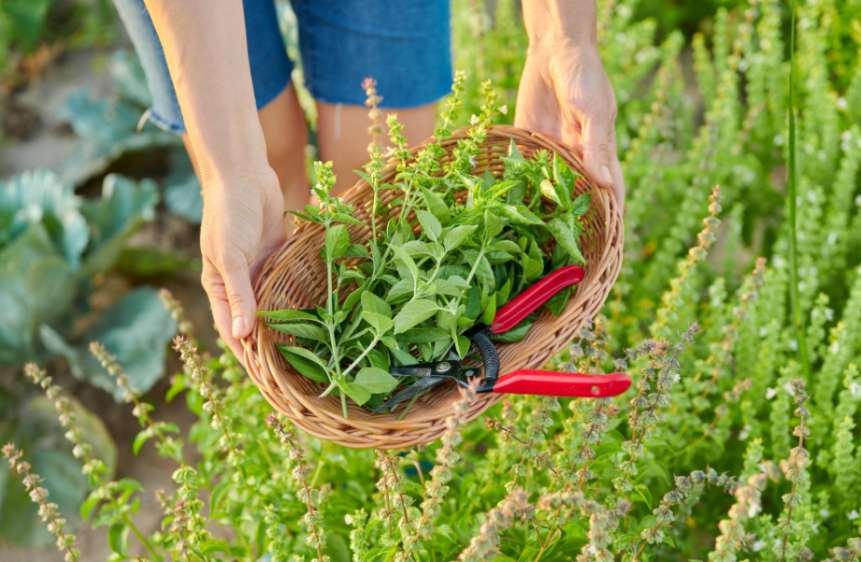
Basil grows quickly from seed and produces generous harvests when it receives warmth and strong light. A bright window or full-spectrum grow light usually gives the best results.
I pinch the stem just above a pair of leaves to encourage branching. Removing flower buds also helps the plant continue producing tender leaves instead of focusing its energy on seeds.
4. Oregano
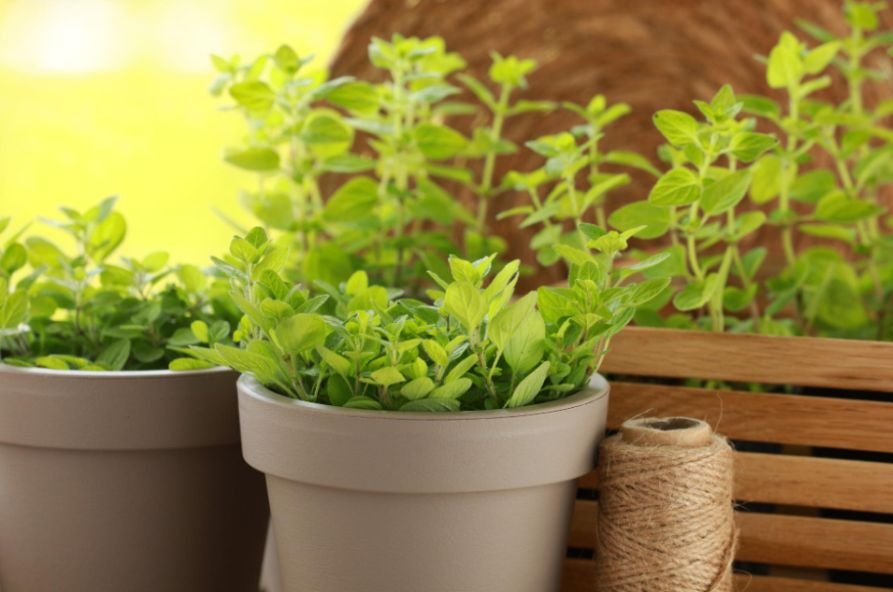
Oregano prefers bright light, excellent drainage, and soil that dries slightly between waterings. It is a practical choice for pizza, pasta sauce, roasted vegetables, and marinades.
Overwatering causes more problems than temporary dryness. I check the soil with my finger before adding water and empty any excess moisture from the saucer.
5. Thyme
Thyme stays compact and suits small kitchens. Its tiny leaves add flavor to soups, poultry, vegetables, beans, and sauces.
It prefers a sunny position and does not like wet roots. Regular light trimming keeps the plant bushy and prevents the stems from becoming overly woody.
6. Parsley
Parsley takes longer to germinate than basil, but established plants are dependable and productive. Both curly and flat-leaf varieties grow well in containers.
The soil should remain lightly moist without becoming soggy. I harvest the outer stems first, cutting them near the base so new growth can continue from the center.
7. Lemon Balm
Lemon balm belongs to the mint family and shares its vigorous growth. Its citrus-scented leaves work well in tea, fruit dishes, flavored water, and desserts.
It tolerates moderate indoor light, although stronger light creates denser growth. Frequent trimming prevents the plant from becoming tall and sparse.
8. Sage
Sage is a good option for a warm, sunny windowsill. Its soft leaves complement stuffing, roasted vegetables, sauces, poultry, and butter-based dishes.
The plant prefers drier conditions, so I allow the upper layer of soil to dry before watering. Strong airflow also helps prevent mildew around the leaves.
9. Rosemary
Rosemary can grow indoors successfully, but it needs more attention than mint or chives. It performs best with strong light, excellent drainage, and good air circulation.
I avoid allowing the potting mix to remain constantly wet. Brown leaves can result from root problems, weak light, dry indoor air, or inconsistent watering.
10. Cilantro
Cilantro grows quickly but has a shorter productive life than many perennial herbs. It may flower early in warm conditions, so repeated sowing provides a steadier supply.
Instead of expecting one plant to last indefinitely, I sow small batches every few weeks. A deeper container supports its long taproot.
11. Dill
Dill grows easily from seed and develops quickly under bright light. It is useful for potatoes, fish, dips, pickles, and salads.
Because dill develops a substantial root system, I use a deeper pot and avoid unnecessary transplanting. Regular harvesting encourages useful growth before flowering begins.
12. Lemongrass
Lemongrass is surprisingly simple to start from fresh stalks. I place stalks with intact bases in water until roots appear, then transfer them to a container.
The plant appreciates warmth, bright light, and consistent moisture. It can become large, so it needs more space than compact herbs such as thyme.
How to Keep an Indoor Herb Garden Alive
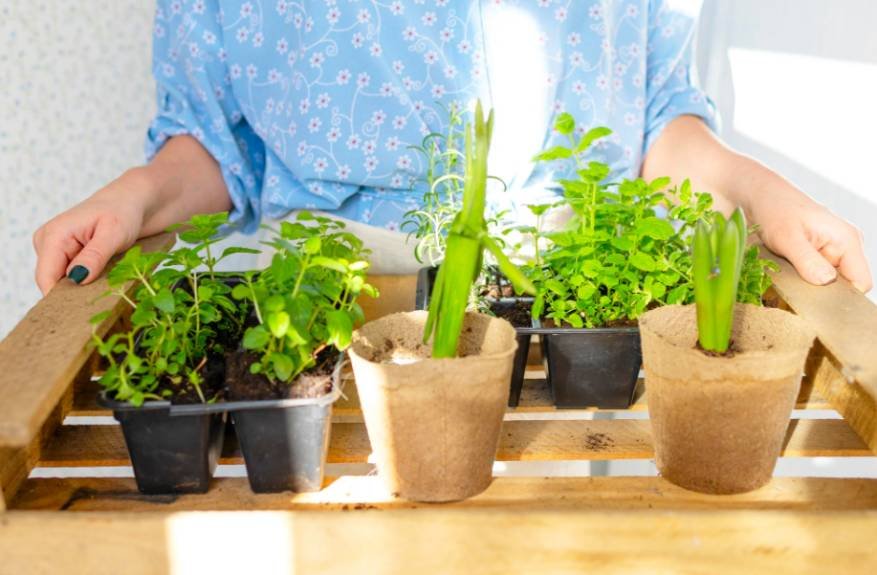
Provide Enough Light
Most herbs need several hours of bright light each day. Weak light often causes pale leaves, slow growth, and long stems leaning toward the window.
I rotate pots every week so all sides receive light. During darker months, a grow light positioned above the plants can support healthier, more balanced growth.
Water According to the Soil
A fixed watering schedule often causes root rot. Instead, I check each pot individually because small containers, sunny rooms, and mature plants dry at different rates.
Mediterranean aromatic herbs such as rosemary, oregano, sage, and thyme prefer slightly drier soil. Basil, parsley, mint, cilantro, and chives generally appreciate more consistent moisture.
Harvest Regularly
Frequent harvesting encourages many herbs to branch and produce fresh growth. However, removing too much at once can weaken a young plant.
I avoid taking more than roughly one-third of the plant during a single harvest. Clean scissors also reduce stem damage.
Common Indoor Herb-Growing Mistakes
Overwatering is the most common problem. Other frequent mistakes include using pots without drainage, placing sun-loving herbs in dim rooms, overcrowding several plants in one container, and failing to harvest regularly.
Excess moisture can also encourage tiny flies around the soil surface. Learning how to stop fungus gnats fast without putting pets at risk can help indoor gardeners control the problem while protecting animals that share the home.
Grocery-store herb pots may contain many seedlings packed together. Separating them into smaller groups can reduce competition for water, nutrients, and root space.
It is also important to group plants by care needs. Rosemary and mint may not thrive in the same container because they prefer different moisture levels.
Frequently Asked Questions
1. What are the easiest herbs to grow inside for beginners?
Mint, chives, basil, oregano, thyme, parsley, and lemon balm are dependable choices because they adapt well to containers and respond positively to regular harvesting.
2. Can herbs grow indoors without direct sunlight?
Some herbs tolerate bright indirect light, but completely dark areas are unsuitable. A grow light can compensate when natural window light is limited.
3. Can I grow herbs indoors throughout winter?
Yes. Indoor herbs can grow during winter when they receive sufficient light, stable temperatures, good drainage, and appropriate watering.
4. What are the best easy herbs to grow indoors in low light?
Mint, chives, parsley, and lemon balm are better options for gentler light, although they still need a bright window or supplemental lighting.
5. Should I start indoor herbs from seeds or plants?
Seeds work well for basil, dill, cilantro, and parsley. Starter plants or cuttings usually provide faster results for rosemary, mint, oregano, thyme, and sage.
Fresh Flavor Starts on the Windowsill
I have learned that a successful indoor herb garden does not need to begin with twelve plants. Starting with two or three herbs makes it easier to understand how quickly the soil dries, how much light the room provides, and how each plant responds to harvesting.
For my first collection, I would choose mint, chives, and basil. They grow quickly, provide noticeable harvests, and teach the basic skills needed to manage easy herbs to grow indoors. Once those plants are thriving, adding thyme, oregano, parsley, or rosemary feels far less intimidating.