I used to believe that filling a container with ordinary garden soil was enough to grow healthy herbs. After dealing with compacted soil, yellow leaves, slow growth, and struggling roots, I discovered that the best soil mix for growing herbs in pots must balance drainage, moisture retention, aeration, and nutrition.
The right mixture should feel light and crumbly rather than heavy or muddy. It must hold enough moisture to support tender herbs while allowing excess water to drain before roots begin to rot. More importantly, the recipe should be adjusted to the herbs being grown because basil and rosemary do not enjoy identical conditions.
What Makes a Good Potting Mix for Herbs?
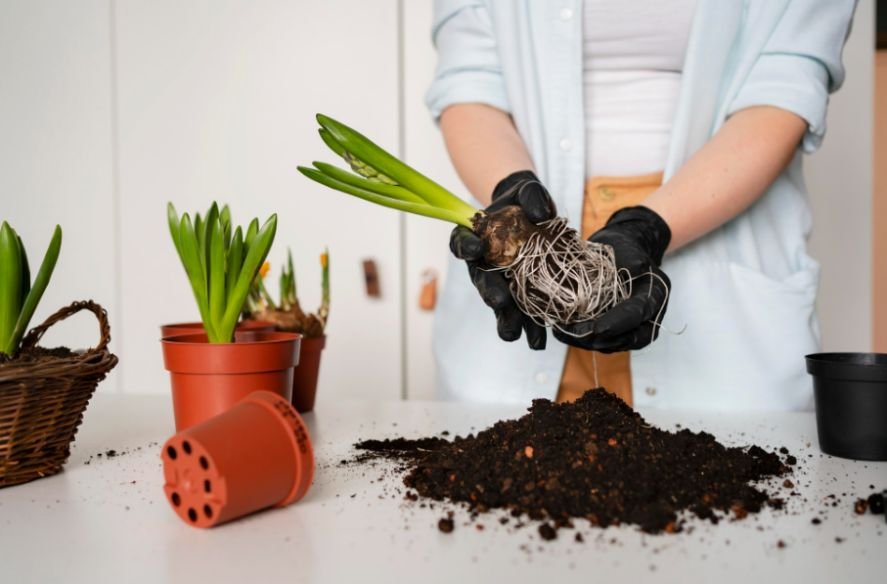
A successful herb potting mix performs several jobs at once. It supports the roots, holds nutrients, retains moderate moisture, and leaves small air pockets around the root system.
Container soil also needs to drain more efficiently than ground soil. Water cannot spread naturally through the surrounding earth when a plant is confined to a pot. Without sufficient drainage, moisture collects around the roots and creates conditions that encourage root rot, fungus, and pest problems.
The ideal mixture should contain three basic components: a moisture-retaining base, a source of gentle nutrition, and a material that improves drainage.
Moisture-Retaining Ingredients
Coconut coir and peat moss are commonly used as the base of a potting mixture. Both materials absorb water while helping the soil remain lightweight.
I prefer coconut coir when it is readily available because it rewets more easily after drying out. Peat moss can sometimes become difficult to moisten when it is allowed to dry completely.
Nutrient-Rich Ingredients
Finished compost or worm castings can provide nutrients and beneficial organic matter. However, more compost is not always better.
Too much can make a container mixture dense, wet, or overly rich. Most culinary herbs grow well with moderate nutrition, and excessive fertilizer can create rapid, soft growth with weaker flavour.
Drainage and Aeration Ingredients
Perlite, pumice, rice hulls, coarse horticultural sand, and fine pine bark can create air spaces and help water move through the pot.
Perlite is affordable, lightweight, and easy to find. Pumice is heavier and less likely to float to the surface, while coarse sand works particularly well for drought-tolerant Mediterranean herbs.
My All-Purpose Herb Potting Recipe
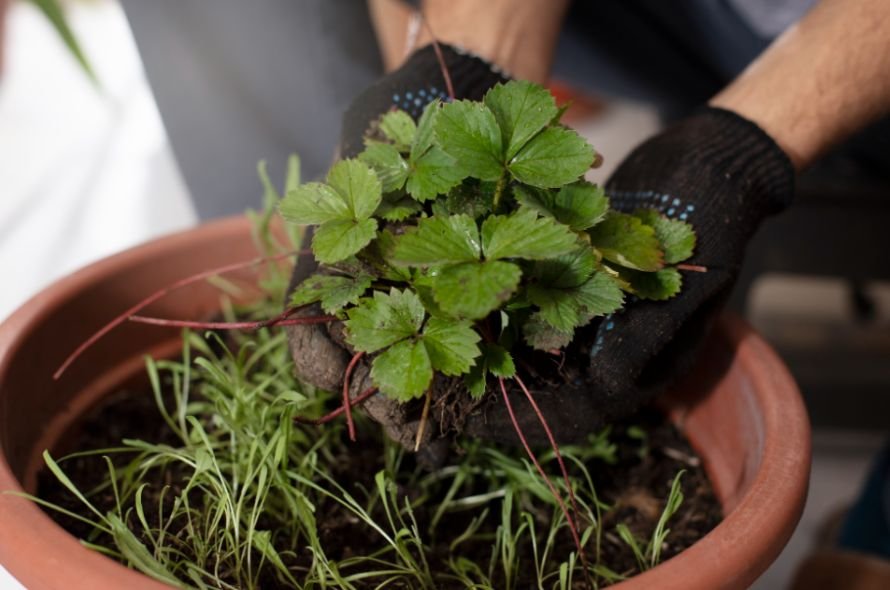
For basil, parsley, coriander, dill, chives, and similar leafy herbs, I use this straightforward mixture:
- Two parts high-quality potting mix or coconut coir
- One part finished compost
- One part perlite or pumice
I blend the ingredients thoroughly before adding them to the container. I then moisten the mixture gradually until it feels evenly damp but does not release water when squeezed.
This recipe provides enough moisture retention for leafy growth while preventing the soil from becoming waterlogged. Mint can also grow in this blend, although I usually plant it in its own pot because its spreading roots can overwhelm neighbouring herbs.
A Faster-Draining Mix for Mediterranean Herbs
Rosemary, thyme, oregano, sage, and Lavandula species originate from environments where the soil tends to drain quickly. Their roots are more vulnerable to constantly wet conditions, particularly during cool or humid weather.
For these herbs, I use:
- Two parts regular potting mix
- One part perlite or pumice
- One part coarse horticultural sand or fine bark
A cactus or succulent potting mix can also be combined with regular potting soil in equal amounts. This creates a simple alternative for gardeners who do not want to purchase several separate ingredients.
The final texture should remain loose and gritty. Water should soak through the mixture without sitting on the surface for an extended period.
Why Garden Soil Should Stay Out of Pots
Garden soil may look rich, but it behaves differently inside a container. It can become compressed after repeated watering, reducing the oxygen available to roots.
Heavy soil may also drain slowly, carry weed seeds, or introduce insects and plant diseases. Even when mixed with compost, it often remains too dense for long-term container growing.
A sterile commercial potting mixture provides a safer and lighter foundation. Garden soil is better left in garden beds, where worms, weather, and natural drainage can help maintain its structure.
How to Adjust the Mix for Different Conditions
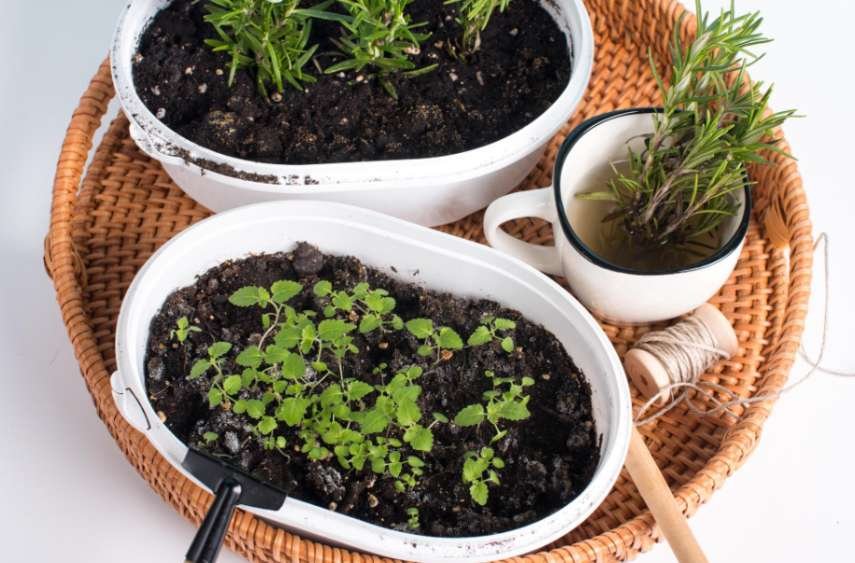
No recipe works perfectly in every climate, container, and growing location. Small adjustments can make the mixture more reliable.
Moisture retention should also be adjusted according to how quickly each container dries. Understanding how often should you water potted herbs can help you decide whether the mix needs more coir or compost for moisture retention, or additional perlite and pumice for faster drainage.
Hot and Dry Conditions
Pots lose water rapidly during warm, windy weather. I add slightly more coconut coir or compost to improve moisture retention. A larger pot can also prevent roots from drying out too quickly.
Terracotta containers are porous and lose moisture faster than plastic or glazed pots. Herbs growing in terracotta may therefore need more frequent watering.
Cool, Humid, or Indoor Conditions
Moisture evaporates more slowly in humid weather and inside rooms with limited airflow. I increase the amount of perlite or pumice and reduce the compost slightly.
Plastic and glazed ceramic containers retain water longer than terracotta. They need unobstructed drainage holes and a particularly airy mixture.
How to Choose a Store-Bought Potting Mix
A good bagged mixture should feel light instead of dense. I look for coconut coir or peat moss combined with perlite, bark, pumice, or another drainage material.
I avoid products made mainly from topsoil and mixes that contain excessive moisture-control crystals. These additives may keep the root zone wetter than rosemary, thyme, and other drought-tolerant herbs prefer.
A product labelled for containers, vegetables, or indoor plants can provide a useful starting point. I still add perlite when the mixture feels heavy or drains slowly.
Common Herb Soil Mistakes
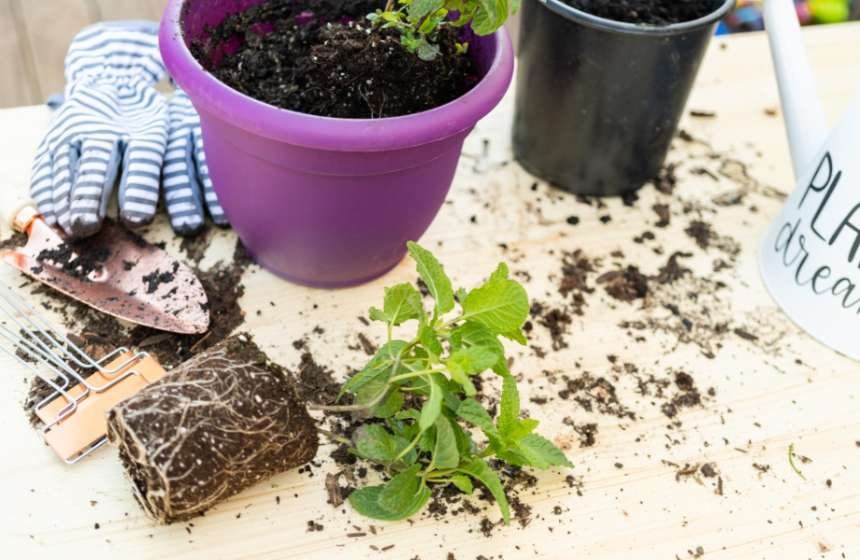
One common mistake is placing gravel at the bottom of a container. Gravel does not improve drainage inside the soil and can reduce the amount of growing space available to roots.
Another mistake is planting herbs with conflicting moisture requirements together. Basil and mint prefer more consistent moisture, while rosemary and thyme need the soil to dry more between waterings.
Keeping care requirements simple is easier when herbs with similar soil and moisture preferences are grouped together. This same principle supports many low-maintenance edible garden ideas, where compatible plants reduce watering problems, simplify feeding, and make routine maintenance more manageable.
Overfertilising is equally problematic. Fresh potting soil often contains starter nutrients, so additional feeding may not be necessary immediately. When growth slows, a diluted balanced fertiliser can be applied according to the label directions.
How to Fix Potting Soil Problems
If the soil stays wet for several days, I check the drainage holes and mix in additional perlite. Yellow leaves combined with damp soil may indicate that roots are receiving too little oxygen.
When water runs straight down the sides, the mixture may have become extremely dry and water-repellent. I water slowly in several rounds or place the pot in shallow water briefly so moisture can move upward.
Soil that has collapsed, developed a sour smell, or become densely packed should be replaced. Healthy potting material should smell earthy and maintain a loose texture.
Frequently Asked Questions
1. What is the best soil mix for growing herbs in pots?
A dependable general recipe combines two parts potting mix, one part compost, and one part perlite, although Mediterranean herbs benefit from extra grit and drainage.
2. Can I use regular potting soil for herbs?
Yes, but adding perlite or pumice can improve airflow and reduce the risk of waterlogged roots, especially in plastic or glazed containers.
3. What soil pH do most herbs prefer?
Most culinary herbs perform well in slightly acidic to neutral soil, generally around pH 6.0 to 7.0.
4. How often should I replace soil in herb containers?
Replace severely compacted or unhealthy soil. Otherwise, refresh it between growing seasons with fresh potting mix, compost, and drainage material.
Give Your Herbs Room to Breathe
Once I stopped treating every herb and container the same way, my plants became stronger and easier to maintain. The biggest improvement came from creating a lightweight mixture and adjusting its drainage to match each herb.
I now group moisture-loving plants together, give Mediterranean herbs a grittier blend, and check the texture before reaching for the watering can. Healthy herbs begin below the surface, and a balanced potting mixture gives their roots the air, moisture, and support they need to flourish.