Water standing around vegetables or flowers is more than an untidy nuisance. It pushes air from the soil and leaves roots struggling to function.
When I need to determine how to fix poor drainage in a garden bed, I never begin by adding random bags of soil. I first identify why the water cannot escape. The right repair depends on whether the problem is compaction, clay, elevation, irrigation, or runoff.
Confirm That the Garden Bed Drains Poorly
A wet bed after a heavy storm is not automatically defective. Even healthy soil may remain damp for a short period.
I become concerned when puddles remain for more than a day, soil smells sour, or plants develop yellow leaves despite regular feeding. Other warning signs include algae, moss, fungus gnats, weak growth, and roots that appear brown or soft.
Clay soil naturally drains more slowly than sandy soil. It also compacts and crusts more easily, especially when worked while wet.
Run a Simple Drainage Test
I dig a hole about 12 inches deep and 6 inches wide in an empty part of the bed. I fill it with water and allow it to drain completely.
I then refill the hole and observe the water level. Water that barely moves over several hours signals restricted drainage. This test also shows whether the problem affects the full soil profile or only the surface.
Do not perform the test immediately after several days of rain. Saturated ground can make an otherwise acceptable bed appear worse than it is.
Find Where the Water Comes From
Before changing the soil, I inspect the bed during rain or irrigation. This often reveals the real problem faster than digging.
I check for:
- Downspouts emptying near the bed
- Sprinklers applying water too quickly
- Runoff flowing from patios or slopes
- A depression where water collects
- Hard soil beneath recently added topsoil
This step matters because compost cannot solve water pouring from a roof. Likewise, a French drain is excessive when one compacted surface layer causes the puddling.
How to Fix Poor Drainage in a Garden Bed
For mild or moderate problems, improving the soil structure is usually the least disruptive answer. The goal is to restore pore spaces that carry both water and oxygen.
Compacted soil contains fewer large pores, reducing water infiltration and downward drainage.
Relieve Compacted Soil
I loosen compacted beds with a broadfork or garden fork when the ground is moist but not sticky. I insert the tines deeply, pull the handle backward slightly, and lift without turning the soil upside down.
This action creates channels while preserving much of the soil structure. I avoid walking across the bed afterward. Permanent paths and narrow planting areas prevent the same problem from returning.
Never dig or till saturated clay. Wet soil particles compress and smear together, producing a dense layer that can drain worse after cultivation.
Add Organic Matter to Heavy Clay
Well-finished compost, leaf mold, and aged organic matter improve aggregation in clay soil. Better aggregation creates spaces for air and water movement.
University of Minnesota Extension notes that organic materials can improve drainage and aeration in clay soils. USDA guidance also connects stronger soil-health practices with reduced compaction and better water management.
I usually spread 1 to 2 inches of mature compost over the bed. For a new or severely compacted bed, I gently incorporate it into the upper soil layer. In established beds, I apply it as a surface dressing and let roots, worms, and weather work it downward.
I do not add a thin layer of sand to clay. Small quantities can create a dense, concrete-like mixture instead of open soil. Compost is usually the safer amendment.
Protect the Surface With Mulch
After loosening and amending the soil, I cover it with two or three inches of shredded leaves, straw, compost, or untreated wood chips.
Mulch softens the impact of heavy rain and limits surface crusting. It also reduces foot traffic, erosion, and rapid swings between saturated and baked soil.
I keep coarse mulch away from plant stems. Direct contact can trap moisture against crowns and encourage rot.
Raise a Low-Lying Garden Bed
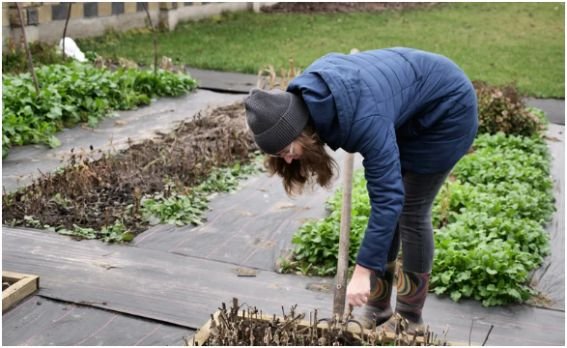
Sometimes the soil is not the main problem. The bed simply sits lower than the surrounding yard.
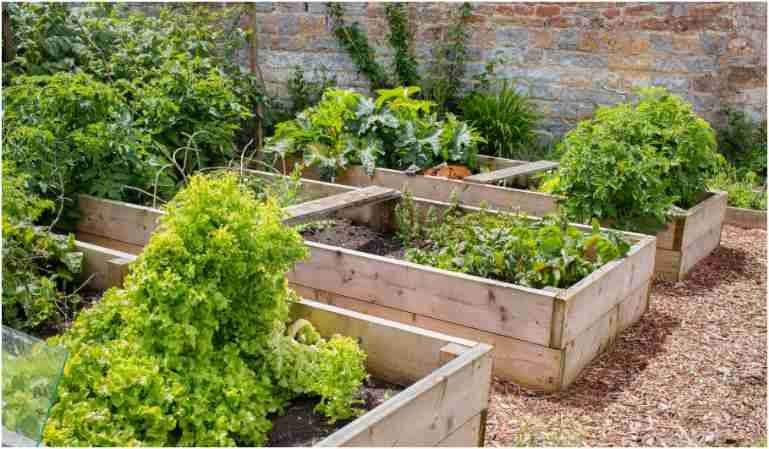
In that situation, learning how to fix poor drainage in a garden bed means changing the root-zone elevation. Raised beds can improve drainage by moving roots above dense or waterlogged ground.
Build Up the Existing Bed
For a shallow depression, I mound the bed several inches above the nearby grade. Severe sites may need a framed bed raised 8 to 12 inches.
I remove perennial weeds first, loosen the ground underneath, and avoid placing an impermeable barrier across the base. Water must still pass from the new soil into the native ground.
Gardeners creating a no-dig garden bed over grass should use overlapping cardboard, compost, and suitable growing soil without sealing the base with plastic.
Choose a Free-Draining Soil Mix
A raised bed should not contain only dense native clay. I use a balanced mixture of quality topsoil and plant-based compost.
University of Minnesota Extension suggests roughly one-half to two-thirds topsoil and one-third to one-half plant-based compost for raised beds.
Too much compost can shrink, dry unevenly, and create nutrient imbalances. A stable mineral soil component gives the bed structure and long-term volume.
Redirect Water From Severely Saturated Beds
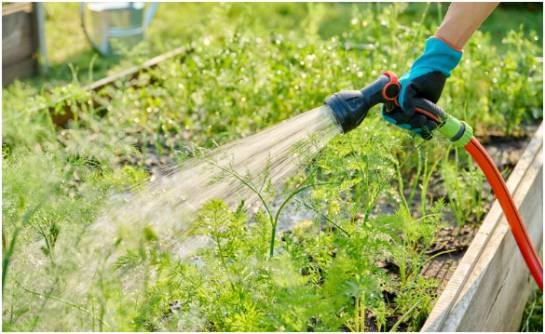
Soil improvement will not overcome a constant supply of outside water. Persistent flooding requires interception or redirection.
Move Roof and Irrigation Runoff
I start with the easiest sources. I extend downspouts away from the garden, adjust sprinkler heads, and reduce irrigation duration.
Water should never be redirected toward a neighbor’s property, septic system, foundation, or unstable slope. Local rules may also control where stormwater can discharge.
When the bed receives water from a higher lawn, a shallow swale can guide runoff around the planting area. A rock-lined dry creek can perform the same function while adding visual interest.
Install a Drainage Channel
A French drain may help where subsurface water repeatedly enters the bed. The typical system uses a sloped trench, filter fabric, washed gravel, and perforated drainage pipe.
Penn State Extension identifies French drains and drainage piping as possible solutions for maintaining drainage in damaged or compacted sites.
However, I treat this as a major repair. A pipe without a safe outlet merely relocates or stores the water. Before excavating, I identify underground utilities and confirm local drainage requirements.
Mistakes That Make Garden Drainage Worse
Several common fixes create new problems.
I avoid digging one small planting hole in heavy clay and filling it with fluffy amended soil. That hole can behave like a bowl, collecting water around the roots.
I also avoid burying rubble, adding excessive gravel beneath the bed, or installing landscape fabric between soil layers. These materials can interrupt water movement and complicate future cultivation.
Overwatering remains another frequent cause. Clay holds water longer than sand, so it normally needs less frequent irrigation.
My Three-Level Drainage Test
I use a simple decision system before spending money:
Level one: Surface puddling.
Water disappears within a day, but the surface crusts. I loosen the bed, add compost, apply mulch, and restrict foot traffic.
Level two: Root-zone saturation.
Water remains for several days and plants decline. I improve the full upper soil layer or raise the bed.
Level three: Incoming water.
Runoff visibly enters from roofs, slopes, paving, or groundwater. I redirect the source or install a properly designed drainage route.
This method prevents me from using an expensive Level Three solution for a Level One problem.
Frequently Asked Questions
1. How can I improve drainage in a garden bed with clay soil?
Loosen the soil when it is not wet, add finished compost, protect it with mulch, and keep feet and equipment off the planting area.
2. Will adding gravel improve drainage in a garden bed?
A buried gravel layer rarely fixes heavy soil and may disrupt water movement. Improve the complete root zone or raise the bed instead.
3. How deep should a raised bed be for poor drainage?
An 8-to-12-inch raised root zone works for many vegetables, although deep-rooted crops may benefit from greater soil depth.
4. Can plants recover after sitting in waterlogged soil?
They may recover if the roots remain firm and healthy. Stop irrigation, improve drainage, remove rotted roots, and monitor for continuing decline.
Send Soggy Soil Packing
Understanding how to fix poor drainage in a garden bed starts with locating the obstruction or water source. Compacted soil needs air. Heavy clay needs better structure. A depression needs elevation. Constant runoff needs redirection.
My best next step is always the simplest diagnostic one: watch the bed during rain. Once I see where the water arrives and how long it remains, the correct repair becomes much clearer.