When I first started growing plants indoors, I assumed every drooping leaf meant the plant was dying. I watered too frequently, moved pots from room to room, and chose attractive plants without considering whether my home provided suitable light. Everything became easier once I selected the best low maintenance houseplants for beginners based on their tolerance of common mistakes.
A beginner-friendly plant should handle occasional missed watering, average indoor humidity, minor temperature changes, and less-than-perfect lighting. It should also recover reasonably well when care is adjusted. The following plants offer that forgiving nature while bringing colour, texture, and life into indoor spaces.
What Makes a Houseplant Low Maintenance?
Low maintenance does not mean a plant can survive without care. It means the plant adapts well to ordinary indoor conditions and does not require constant attention.
The easiest indoor plants usually share several qualities:
- They tolerate slightly dry soil.
- They grow in a range of light levels.
- They do not require frequent repotting.
- They manage well in average household humidity.
- They show clear signs when something is wrong.
- They recover after minor care mistakes.
Your routine matters as much as the plant. Someone who forgets to water may succeed with a snake plant, while someone who waters frequently might prefer to grow a spider plant or peace lily.
15 Easy Houseplants for New Plant Owners
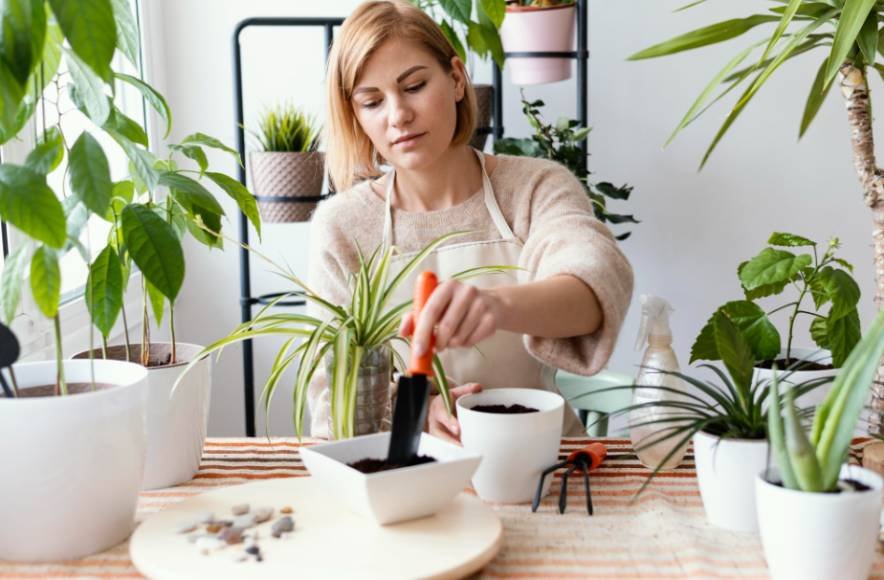
1. Snake Plant
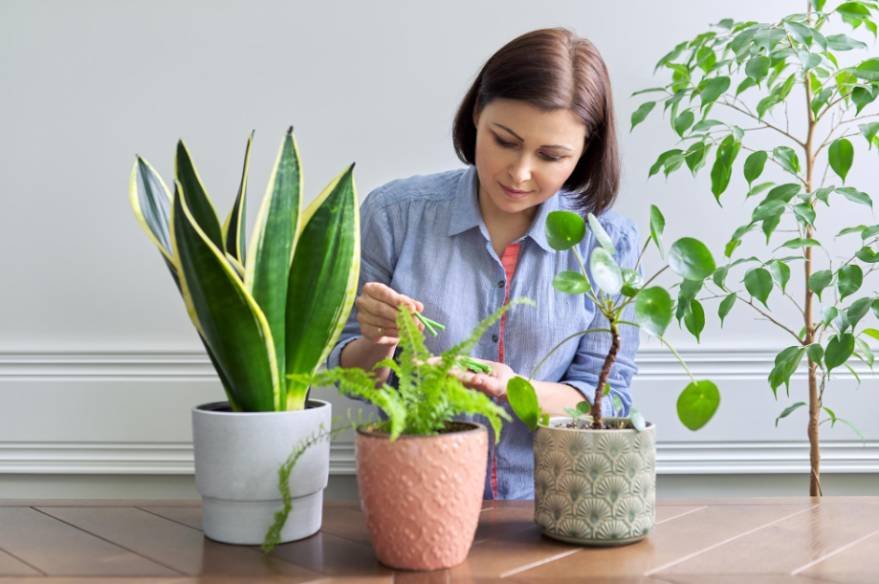
Snake plants are among the most forgiving indoor plants available. Their thick, upright leaves store moisture, allowing the soil to dry between waterings.
They grow best in bright, indirect light but can tolerate dimmer rooms. Overwatering is their greatest risk, so use a container with drainage holes and water only when the soil feels dry.
2. ZZ Plant
The ZZ plant has glossy leaves and underground rhizomes that store water. It is an excellent choice for offices, bedrooms, and rooms where natural light is limited.
Allow the potting mixture to dry before watering again. Slow growth means it rarely needs pruning or repotting.
3. Golden Pothos
Golden pothos produces trailing vines with green and yellow leaves. It adapts to shelves, hanging baskets, bookcases, and elevated planters.
Bright, indirect light supports stronger colour, although the plant can tolerate lower light. Water when the upper layer of soil becomes dry. Trim long vines to encourage fuller growth.
4. Spider Plant
Spider plants have arching leaves and produce small plantlets that hang from mature stems. They are adaptable, fast-growing, and easy to propagate.
Place one in medium to bright indirect light. Water when the upper soil begins to dry, but avoid leaving the roots in standing water.
5. Cast Iron Plant
The cast iron plant earns its name from its ability to tolerate neglect. Its dark green leaves grow slowly and remain attractive without frequent maintenance.
It performs well in low or moderate indirect light. Let the soil dry slightly between waterings and keep it away from intense afternoon sun.
6. Heartleaf Philodendron
This trailing plant has soft, heart-shaped leaves and grows well in hanging baskets or on shelves. It adapts to average indoor temperatures and moderate humidity.
Water when the top layer of soil feels dry. Pinching the growing tips can create a fuller, more compact plant.
7. Baby Rubber Plant
Baby rubber plants, or Peperomia obtusifolia, have thick leaves that hold moisture. Their compact size makes them suitable for desks, windowsills, and small apartments.
They prefer bright, filtered light and light watering. Constantly wet soil can quickly damage their roots.
8. Ponytail Palm
Despite its name, the ponytail palm is not a true palm. Its swollen trunk stores water, making it ideal for people who occasionally forget their watering routine.
Place it near a bright window and allow the soil to dry thoroughly before watering. It grows slowly and usually remains manageable indoors.
9. Chinese Evergreen
Chinese evergreens are valued for their patterned leaves and ability to tolerate moderate or lower light. They bring colour to rooms where flowering plants may struggle.
Water after the upper soil has dried slightly. Protect the plant from cold drafts and sudden temperature changes.
10. Haworthia
Haworthia is a small succulent with firm, patterned leaves. It fits neatly on sunny shelves and requires less direct light than many other succulents.
Use fast-draining soil and water only after the mixture has dried. A small pot with proper drainage helps prevent root rot.
11. Jade Plant
Jade plants have fleshy leaves and sturdy stems that can eventually resemble miniature trees. They prefer bright light and infrequent watering.
Allow the soil to dry deeply before adding more water. Rotate the pot occasionally so the plant develops evenly.
12. Hoya
Hoyas have waxy leaves, trailing stems, and clusters of fragrant flowers when conditions are suitable. Their thick foliage helps them tolerate occasional dry periods.
Provide bright, indirect light and avoid watering until part of the soil has dried. Hoyas often perform better when slightly root-bound.
13. Dracaena
Dracaenas offer upright growth and colourful, strap-shaped leaves. Different varieties suit floors, tabletops, and narrow corners.
They prefer filtered light and moderate watering. Browning leaf tips may indicate dry air, excess fertiliser, or minerals in the water.
14. Parlor Palm
The parlor palm brings a soft, tropical appearance without demanding intense sunlight. It grows slowly and remains suitable for indoor living for many years.
Keep it in moderate indirect light and water when the upper soil feels dry. Avoid placing it beside heating or cooling vents.
15. Peace Lily
Peace lilies have glossy foliage and elegant white blooms. Their leaves droop noticeably when the plant becomes thirsty, making their needs easier to recognise.
They prefer evenly moist soil but should never remain waterlogged. Bright, indirect light encourages flowering, while lower light supports foliage growth.
Choose a Plant That Matches Your Home
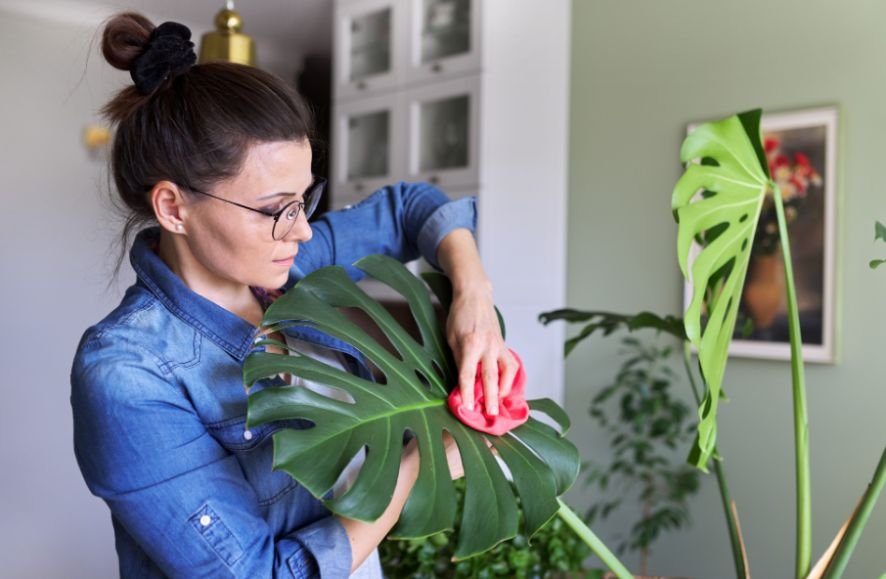
Before buying a plant, study the area where it will live. A decorative corner may look ideal but receive too little light for healthy growth.
Gardeners who want to expand beyond indoor plants can also learn how to start a no-dig garden bed over grass to create an outdoor growing area without removing turf or heavily disturbing the soil.
Check the room at different times of day. Bright indirect light usually appears near a window without strong rays striking the leaves. Low light means the room receives limited natural brightness, not complete darkness.
Also consider your habits. Choose snake plants, ZZ plants, ponytail palms, or jade plants when you often forget to water. Consider spider plants or peace lilies when you prefer checking soil more regularly.
Pet owners should research every plant before bringing it home. Pothos, philodendrons, ZZ plants, snake plants, peace lilies, dracaenas, and several other common houseplants may cause problems when chewed or swallowed.
Plant selection can also extend beyond indoor decoration. Those interested in creating a productive outdoor space can explore companion planting herbs with vegetables to learn how compatible plants may support pollinators, improve space use, and simplify garden planning.
Five Rules That Keep Houseplants Healthy
Use Pots With Drainage
Drainage holes allow excess moisture to escape. Decorative pots without holes can be used as outer covers, but standing water should always be emptied.
Check the Soil Before Watering
Do not rely entirely on a fixed calendar. Push a finger into the soil and water according to the plant’s actual moisture level.
Avoid Oversized Containers
A pot that is too large holds moisture longer than the roots can use it. Move up only one container size when repotting.
Introduce Changes Gradually
Sudden changes in light, temperature, or watering can cause leaf loss. Move plants gradually when changing their position.
Inspect New Plants
Check beneath leaves, around stems, and across the soil for pests before placing a new plant beside an established collection.
Frequently Asked Questions
1. What are the best low maintenance houseplants for beginners in low light?
ZZ plants, snake plants, cast iron plants, Chinese evergreens, and heartleaf philodendrons tolerate lower light better than many common indoor plants.
2. Which houseplants survive missed watering?
Snake plants, ZZ plants, jade plants, ponytail palms, hoyas, and haworthias store moisture and generally handle short dry periods.
3. What is the easiest houseplant to keep alive?
A snake plant is often the easiest because it tolerates varied lighting, average humidity, and infrequent watering.
4. Should beginner houseplants be watered weekly?
Not automatically. Watering depends on the plant, pot size, soil, temperature, season, and available light. Check the soil before adding water.
Final Thoughts
When I choose a new indoor plant, I now focus less on appearance alone and more on whether its natural needs match my home and routine. Starting with one or two forgiving varieties makes it easier to understand light, drainage, watering, and seasonal growth without feeling overwhelmed.
The best low maintenance houseplants for beginners are not plants that survive complete neglect. They are resilient varieties that give new growers room to learn. With a suitable pot, sensible watering, and the right location, even a first plant can become a healthy and lasting part of the home.