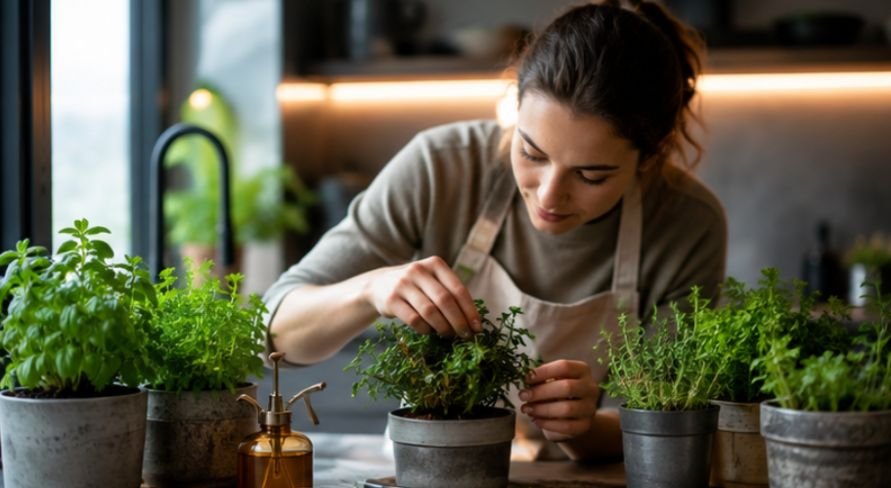
Growing mint in pots is an easy and effective way to enjoy fresh herbs while stopping the plant from spreading aggressively in your garden. To succeed, use a large pot at least ten to twelve inches wide with drainage holes, standard all-purpose potting mix, and keep the soil consistently moist. This simple practice ensures you get an endless supply of vibrant leaves for your morning teas and weekend cooking experiments.
Mint has a wild reputation for trying to take over every single inch of garden space it touches. Understanding how to grow mint in containers solves this dilemma by locking those adventurous underground roots securely behind plastic or glazed walls. You get to enjoy all the fragrant benefits without turning your entire backyard into a massive jungle of mint.
Key Takeaways
- Plant mint in containers to prevent aggressive roots from taking over your garden space.
- Choose a 10 to 12-inch wide pot with adequate drainage holes for optimal root health.
- Keep soil consistently moist using an organic potting mix amended with quality compost.
- Harvest stems frequently to encourage bushier growth and prevent early flowering.
- Provide at least six hours of sunlight daily for vibrant flavor and strong stems.
Container Gardening Saves Your Yard
Planting herbs in confined vessels protects your favorite landscape features from aggressive botanical takeover attempts. Mint sends out underground runners that easily choke out neighboring plants if given open ground. Keeping your herbs neatly isolated gives you total control over your garden layout and overall yard health.
Confined planting also makes it remarkably easy to chase the best sunlight angles across your property. You can shift your pots instantly when seasonal weather shifts or when scorching summer afternoon rays threaten tender leaves. This mobility ensures your green investments always stay comfortable and productive.
Container Control Secrets
Managing aggressive root systems is the primary reason why container planting is essential for success with this herb. Mint sends out underground runners called rhizomes that will quickly colonize nearby flower beds if given the chance. Restricting your plants to individual pots blocks these escape routes entirely.
Preventing Soil Nutrient Theft
Crowded garden beds often lead to aggressive root competition where vigorous herbs starve neighboring vegetables of vital nutrients. Setting your pots directly on patios or hardscaping ensures your mint stays isolated. This smart layout protects your delicate crops like lettuce and tomatoes from aggressive botanical bullies.
Mobility And Microclimates
Portable containers allow you to shift your herbs effortlessly as seasonal sunlight patterns change across your yard or balcony. You can easily chase the warm rays in spring or slide pots into protective shade during scorching summer afternoons. This flexibility ensures your plants stay comfortable year-round without stress.
Selecting The Ideal Pot And Soil
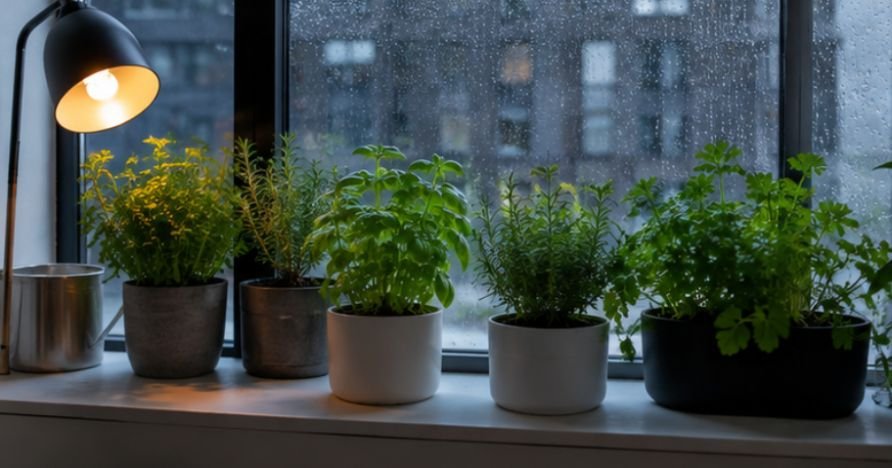
Choosing a container at least ten to twelve inches wide gives the rapid roots enough room to expand comfortably. Plastic or glazed pots work best because they hold moisture well and reduce daily watering chores.
Avoid unlined terracotta, as it dries out the soil too quickly under intense summer heat. Always make sure the bottom has clear holes so the roots do not rot in standing water. Use a rich, well-draining potting mix blended with a little organic compost to kickstart healthy leaf development.
Proper vessel selection acts as the solid foundation for all your future culinary harvests and plant vitality. When roots have enough space and clean drainage, they absorb nutrients efficiently without stress. Taking your time during this initial setup phase saves you from messy transplanting jobs later in the season.
Mastering Sunlight And Perfect Placement
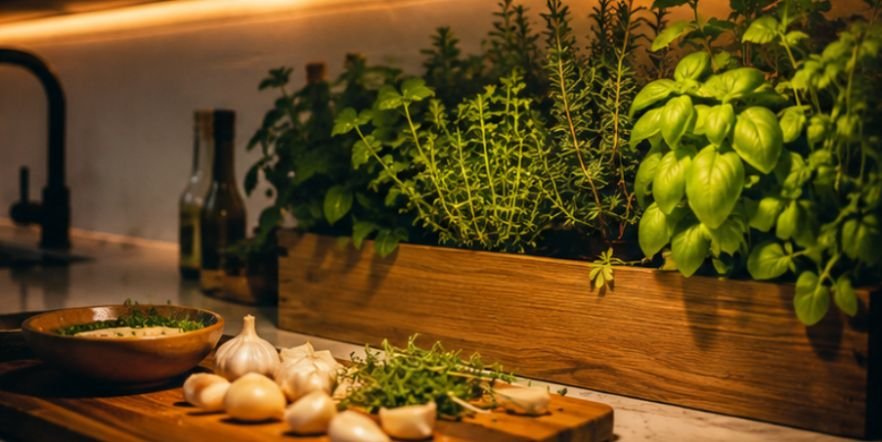
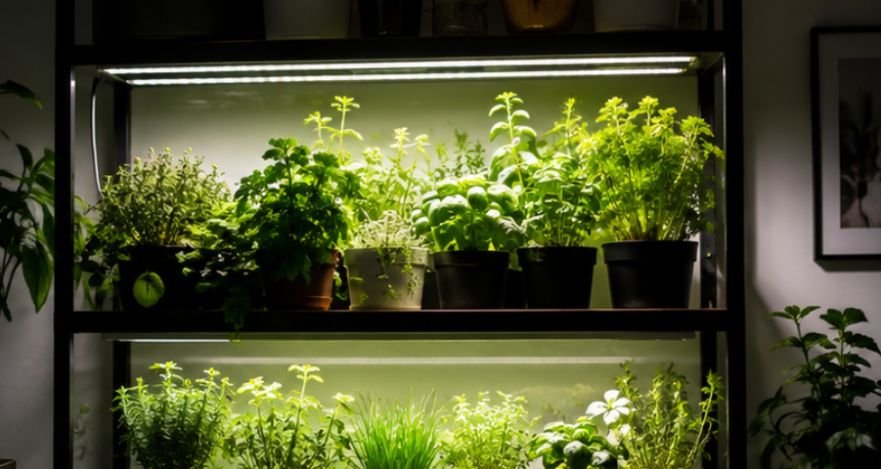
Place the pot in an area with four to six hours of direct sun daily to maximize flavorful essential oils. Morning sun and afternoon shade work best if you live in a very hot region during peak summer months. Keeping the pot outdoors is ideal, as mint struggles with low light inside standard homes unless placed under a strong grow light.
Positioning your herbs near a kitchen door or patio seating area encourages frequent daily harvesting and enjoyment. The brilliant green foliage also adds instant visual charm to dull balconies or empty porch corners. Strategic placement guarantees your plants receive the exact environmental cues they need to thrive.
Watering And Regular Maintenance Secrets
Check the top inch of soil weekly or daily during hot spells, and water deeply whenever it feels dry. Potted mint needs more water than mint planted straight in the ground because containers dry out much faster.
Harvest and trim the stems often to encourage a thick, bushy shape and to prevent the plant from flowering prematurely. Refresh the soil or divide the crowded roots into new pots every couple of years to maintain strong growth.
Consistent pruning tricks the plant into branching outward rather than stretching up toward the sky in a leggy mess. Pair your trimming routine with a light organic fertilizer once a month during spring for massive harvests. Staying proactive with hydration keeps the leaves crisp and bursting with flavor.
Frequently Asked Questions
1. Does Mint Grow Well In A Container?
Yes, mint grows exceptionally well in containers because pots successfully restrict its aggressive underground runners, keeping the plant tidy, manageable, and highly productive for everyday kitchen use right outside your door.
2. Does Mint Grow Back Every Year In Pots?
Mint is a remarkably resilient perennial plant that usually dies back during freezing winter weather before sending up fresh green shoots from its surviving underground root system every single spring.
3. Does Mint Grow Better In Plastic Or Terracotta Pots?
Plastic pots are generally superior because they retain essential moisture much longer than unlined terracotta, which tends to dry out the surrounding potting soil way too fast during warm summer days.
4. Do Coffee Grounds Help Mint Plants?
Used coffee grounds can provide mild organic matter and slight acidity to the soil when mixed in moderation with compost, helping your container mint plants stay nourished without compacting the potting mix.
Fresh Mint Magic Awaits You
Embracing how to grow mint in containers turns any sunny patio or small balcony into an abundant herb paradise. With a roomy pot, rich soil, and regular watering, you unlock endless flavor for your kitchen adventures. Start planting today and enjoy homegrown freshness right at your fingertips.