Walking into thie garden with snips brings pure joy, especially when learning how to harvest basil for continuous growth turns a single small pot into a massive leafy jungle. Fresh homemade pesto is the ultimate summer reward, and tweaking simple pruning cuts makes an incredible difference in leaf yields.
Understanding Basil Plant Growth Dynamics
Every thriving herb patch relies on basic botanical secrets to maximize leaf output.
The Magic of Leaf Nodes and Side Shoots
Pinpointing the exact spot where leaves attach to stems unlocks rapid branching potential. Every stem features joints called leaf nodes, which are the spots where main leaves connect to the central stalk. Inside the junction of these leaves sit two tiny, dormant new leaves sprouting from the side. When you cut the main stem, you send plant signals that force those two tiny side shoots to explode into two full new branches.
This natural doubling effect turns a single slender stem into a thick, bushy powerhouse over a short timeframe. Instead of growing straight up like a sparse stick, the plant spends energy building wide horizontal coverage. Understanding this anatomical trick helps you trim with complete confidence every single week.
Lower Leaves Serve as Photosynthetic Powerhouses
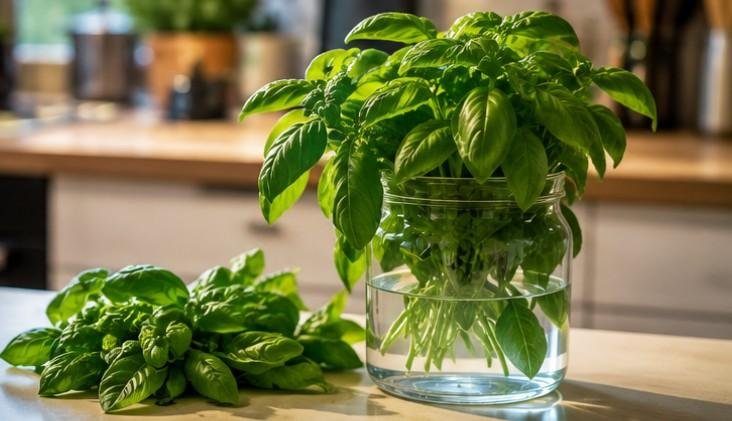
Protecting the large foliage near the soil surface keeps your plant energized for quick recovery. Beginner gardeners frequently strip the large bottom leaves because they are easy to reach. However, those wide base leaves act as primary solar panels, absorbing daylight to fuel deep root expansion. Removing them starves the plant, causing severe shock and slowing down overall plant production.
Always leave lower levels completely intact so the root system stays strong and active. These mature leaves manufacture necessary sugars that feed young side shoots after heavy clipping. Keeping bottom leaves safe guarantees fast recovery between your culinary harvests.
Soil Nutrition and Roots Fuel Bushy Stems
Sustaining continuous leaf production requires supplying the right nutrients beneath the soil surface. Frequent clipping forces the plant to consume massive amounts of energy rebuilding leaves. Top-dressing raised beds with organic compost or applying balanced liquid seaweed fertilizer replenishes vital nitrogen reserves. Healthy root systems absorb these nutrients quickly to push out vibrant new foliage after pruning.
Consistent hydration also plays a vital role in maintaining stem vigor during hot weather. Dry soil forces the herb into survival mode, which halts leaf splitting and triggers stress. Well-nourished soil paired with steady moisture creates the ideal environment for continuous herbal harvests.
Step-by-Step Guide on How to Harvest Basil for Continuous Growth
Executing exact pruning techniques guarantees your sweet basil stays bushy, healthy, and productive.
Wait Until the Plant Reaches Proper Maturity
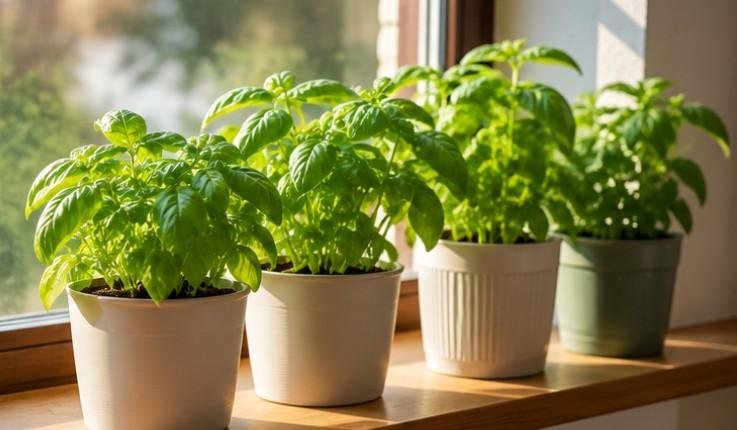
Giving young seedlings time to establish sturdy root systems prevents premature harvesting stress. Resist the temptation to pick foliage off a tiny young seedling right after planting. Wait until your basil stands six to eight inches tall and sports at least three or four leaf sets. At this stage, the root system is established enough to handle structural cuts without suffering stunted growth.
Starting too early causes severe stress that can stall development for several weeks. Waiting for proper height ensures the plant possesses enough reserves to rebound quickly. Patience during early growth sets the stage for massive herbal yields later in summer.
Locate the Exact Leaf Node for Snapping
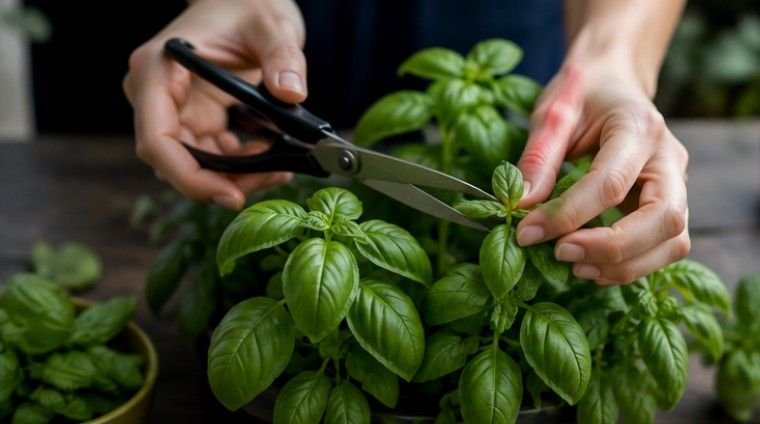
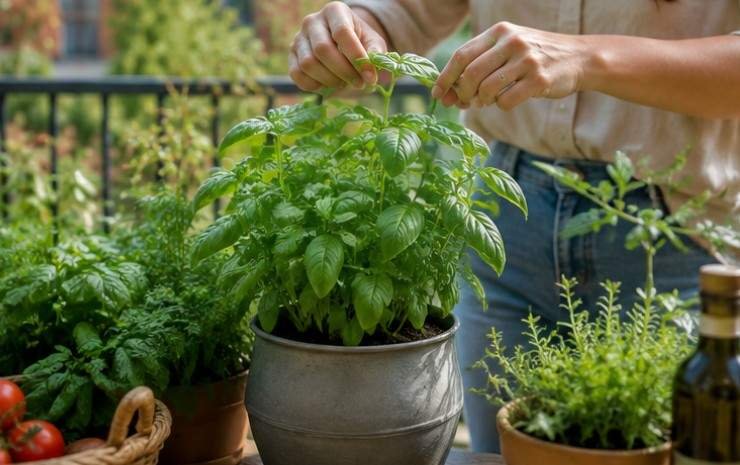
Finding the right junction on the main stem guarantees clean splits and fast recovery. Look down the central stalk from the top set of leaves until you find a healthy leaf node. Look closely for two tiny leaves sprouting from the sides of the stem junction. Position your fingers or sharp shears roughly a quarter inch directly above this leaf pair.
Cutting at this precise location leaves just enough stem tissue to protect the emerging shoots. If you cut too far above the node, the remaining stem dies back and rot can set in. Visualizing this spot before cutting keeps your plant clean, healthy, and ready to double.
Cut the Main Stem Above the Node
Using clean cutting instruments protects plant tissue from crushing and prevents moisture rot. To keep your basil growing strong, never pluck just single leaves off the stem. Instead, cut the main stem right above a leaf node using clean micro-tip shears. Watching a quick tutorial video on proper cuts can help you visualize this clean snap on your own plants.
Using dull tools or tearing stems leaves ragged edges that attract fungal pathogens and pests. Making clean cuts helps the plant heal rapidly so energy flows straight into the emerging side branches. Clean cutting habits ensure your herb stays vibrant without wasting energy recovering from tissue damage.
Harvest From the Top to Prevent Leggy Stalks
Clipping top stem sets encourages broad horizontal growth rather than tall, weak stalks. Always snip the uppermost sets of stems first during your regular harvesting routine. Trimming upper foliage stops vertical stretching and forces growth outward into a lush, rounded shape. Tall leggy stalks produce fewer usable leaves and easily fall over during summer windstorms.
Harvesting top stems keeps the plant balanced, compact, and structurally sound. This top-down cutting strategy exposes middle foliage to direct sunlight, accelerating secondary shoot growth. Consistent top trimming converts one central stalk into a sprawling, productive plant canopy.
Crucial Maintenance Rules for Unlimited Leaf Yields
Following core garden rules protects flavor and keeps foliage production running smoothly all summer.
Pinching Off Flowers to Save Leaf Flavor
Intercepting flowering spikes early preserves essential oils that deliver optimal culinary flavor. Hot summer weather prompts basil plants to produce white or purple flower buds at stem tips. If you see small flower buds forming at the top, cut them off immediately down to the next node. Flowers tell the plant to stop making tasty leaves and start making seeds, which alters the flavor.
Removing flower spikes forces energy right back into vegetative leaf production. This quick maintenance step retains sweet essential oils and delays the plant natural life cycle. Inspecting shoot tips twice a week prevents flowering before it impacts your kitchen harvests.
Following the One-Third Pruning Rule
Balancing harvest volume with remaining plant foliage prevents severe physiological shock. Never cut away more than one-third of the plant total height at any single time. Removing too much foliage starves the root system and prevents efficient solar energy conversion. Taking light, frequent cuts is far better than performing aggressive over-harvests.
Adhering to the one-third boundary allows your herb to recover within a few warm days. Leaving two-thirds of the foliage intact keeps the metabolic engine running at full speed. This simple rule guarantees a steady, reliable supply of fresh leaves without endangering plant survival.
Harvesting in Early Morning to Preserve Oil
Choosing the optimal time of day to snip foliage preserves aromatic compounds and crispness. Gather your herbal harvest during early morning hours after dew evaporates but before heavy sun hits. High afternoon temperatures cause volatile aromatic oils to evaporate, diminishing rich flavor profiles. Morning stems are fully hydrated, crisp, and packed with maximum essential oil content for your dishes.
Plucking foliage during heat waves causes rapid wilting and reduces post-harvest shelf life. Cool morning harvests keep leaves crisp longer when stored on your kitchen counter in water. Timing your garden routine elevates culinary flavor while keeping plants refreshed. You can grow mint in containers as well just the same way.
Frequently Asked Questions
1. How to pick basil so that it keeps growing?
To keep your basil growing strong, never pluck just single leaves. Cut the main stem right above a leaf node where two tiny leaves sprout. This forces one cut stem to split into two new branches for bushy growth.
2. How many times can you harvest from a basil plant?
You can harvest fresh leaves from a healthy basil plant every seven to ten days throughout the summer season. Regular weekly stem pruning keeps the herb producing vibrant new growth continuously until the first autumn frost arrives.
3. What are common basil harvesting mistakes?
Common mistakes include plucking individual foliage, stripping bottom solar leaves, tearing stems with dull tools, cutting too far above leaf nodes, taking over one-third of total growth, and allowing flowers to bloom into bitter seed heads.
4. How to continuously grow basil?
Provide six to eight hours of direct sunlight daily, water consistently at soil level, feed organic nitrogen fertilizer, and cut top stems weekly above leaf nodes while pinching off emerging flower buds immediately.
Snip Your Way to Endless Basil Happiness
Mastering how to harvest basil for continuous growth is the ultimate secret to enjoying fresh culinary herbs all season long. By making strategic cuts right above leaf nodes, removing flower buds early, and leaving lower leaves intact, you will keep your plants thriving. Grab your shears, head out to your edible garden, and enjoy an endless harvest of homegrown sweet basil!