Winter can make indoor plants seem frozen in time. The pothos stops unfurling leaves, the monstera barely changes, and the soil stays damp far longer than it did in summer. That is usually when one question starts nagging at plant owners: should you fertilize indoor plants in winter, or should the fertilizer bottle stay tucked away until spring?
I have learned that the calendar gives only half the answer. Some houseplants slow down because weaker winter light reduces their energy, while others keep growing near a sunny window or under grow lights.
The safest choice depends on what the plant is actually doing. New leaves, steady water use, healthy roots, and strong light can justify light feeding, but a resting or stressed plant usually needs less attention, not more fertilizer.
Should You Fertilize Indoor Plants in Winter?
In most cases, you should stop or significantly reduce fertilizing houseplants during winter. Plants use nutrients most efficiently when they are actively growing. During the colder months, reduced daylight often slows photosynthesis, root activity, and water consumption.
When a plant is barely growing, unused fertilizer can remain in the potting mix. Over time, fertilizer salts may build up around the roots and lead to brown leaf tips, yellow leaves, wilting, or root damage.
However, I do not automatically stop fertilizing every plant on the first day of winter. Indoor environments vary widely. A plant beside a sunny south-facing window in Arizona may receive much more winter light than a plant in a dim apartment in Michigan. Plants growing under artificial lights may also continue growing throughout the season.
The safest approach is to fertilize according to active growth rather than the month on the calendar.
Why Do Indoor Plants Need Less Fertilizer in Winter?
Houseplant growth depends heavily on light. Even when indoor temperatures remain comfortable, shorter winter days can limit the amount of energy a plant produces.
As growth slows, the plant needs less nitrogen, phosphorus, potassium, and other nutrients. Its roots also absorb water more slowly, which means fertilizer remains in the potting mix for longer periods.
This creates two common problems. First, the plant may receive more nutrients than it can use. Second, slower-drying soil increases the risk of root stress, especially if the plant is also being overwatered.
I often remind myself that fertilizer does not create energy for a plant. Light drives photosynthesis. Fertilizer only supplies nutrients that support growth. If the plant does not have enough light to grow, adding more fertilizer will not solve the problem.
How Can You Tell If a Houseplant Needs Winter Fertilizer?
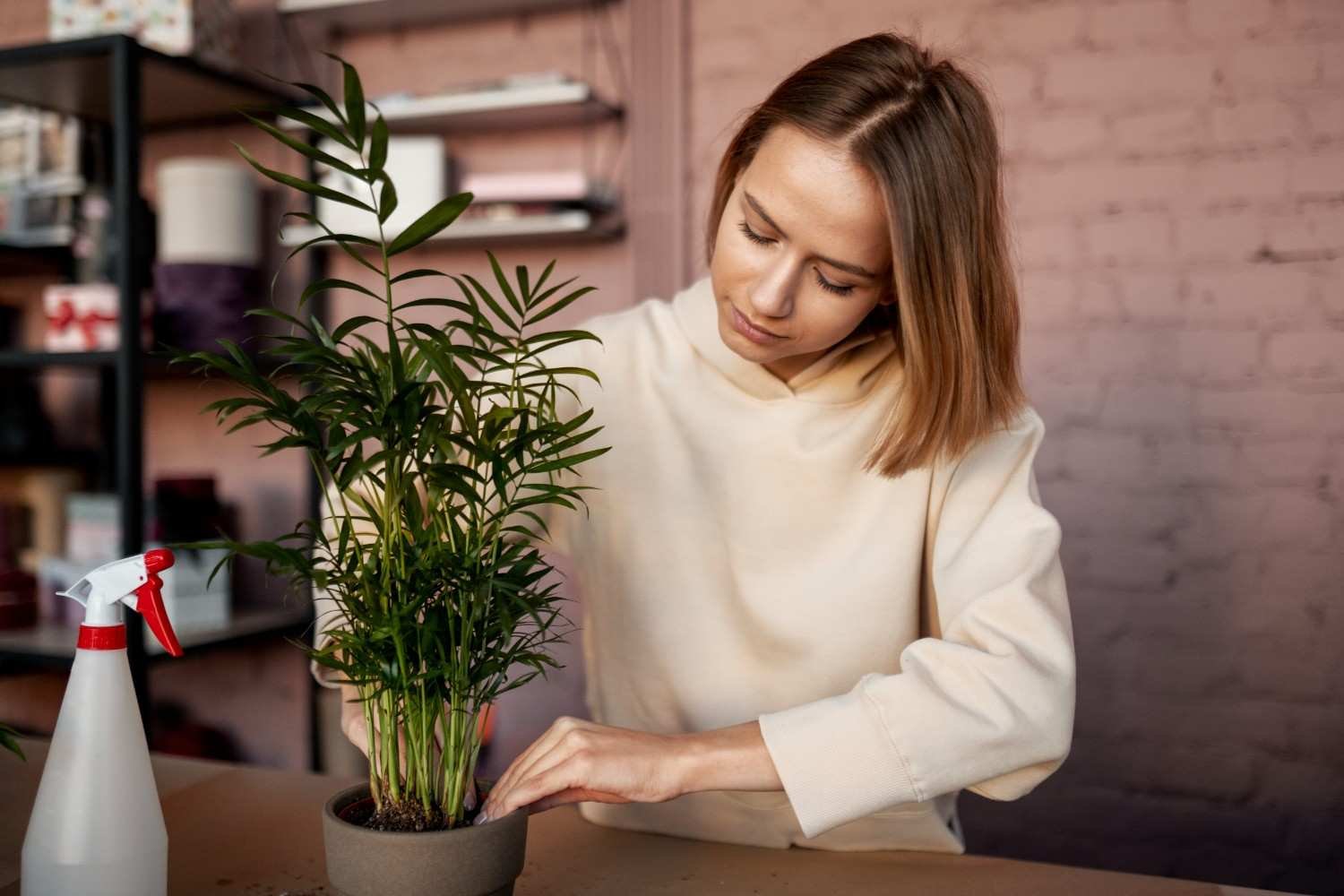
Before feeding any indoor plant in winter, I check for several signs that it is still actively growing.
Is the Plant Producing Healthy New Growth?
Fresh leaves, new stems, flower buds, or expanding shoots suggest that the plant is using nutrients. The growth should look compact, sturdy, and normally colored.
Weak, pale, or stretched growth does not necessarily mean the plant needs more fertilizer. Leggy stems often indicate insufficient light. Feeding a light-starved plant may encourage even weaker growth instead of fixing the underlying issue.
Is the Plant Receiving Enough Light?
Plants near bright south- or west-facing windows may continue growing during winter. Supplemental grow lights can also provide enough consistent light to support year-round growth.
A grow light should sit at an appropriate distance from the foliage and remain on long enough to provide useful light. Many indoor gardeners run grow lights for approximately 10 to 14 hours per day, although the correct duration depends on the plant and the strength of the fixture.
If a plant sits several feet from a dim window and has stopped growing, I usually skip fertilizer until light levels improve.
Is the Soil Drying at a Normal Rate?
Actively growing plants continue using water. If the potting mix dries at a reasonable pace and the plant needs regular watering, it may still be growing enough to use a small amount of fertilizer.
If the soil remains wet for much longer than usual, the roots may be less active. Adding fertilizer to persistently wet soil can increase root stress and salt accumulation.
Is the Plant Healthy?
I never fertilize a plant simply because it looks weak. A struggling houseplant may be dealing with pests, root rot, cold drafts, compacted soil, improper watering, or insufficient light.
Fertilizing a stressed plant can make the problem worse. I address the underlying issue first and resume feeding only after the plant begins recovering.
Which Indoor Plants May Need Fertilizer During Winter?
Some houseplants are more likely than others to continue growing or flowering through winter.
Plants Growing Under Grow Lights
Houseplants under effective grow lights may not experience the same seasonal slowdown as plants relying entirely on natural light. If they continue producing healthy foliage, I may fertilize them at a reduced strength.
I usually start with one-quarter to one-half of the normal label recommendation. I also increase the time between applications rather than following a full spring or summer feeding schedule.
Winter-Blooming Houseplants
Plants such as cyclamen, amaryllis, Christmas cactus, and certain orchids may bloom during winter. Flowering plants can use nutrients while they are actively producing buds and flowers.
However, I still avoid overfeeding. Some flowering plants have specific fertilizer needs, so I follow plant-specific guidance instead of using one universal formula.
Indoor Herbs
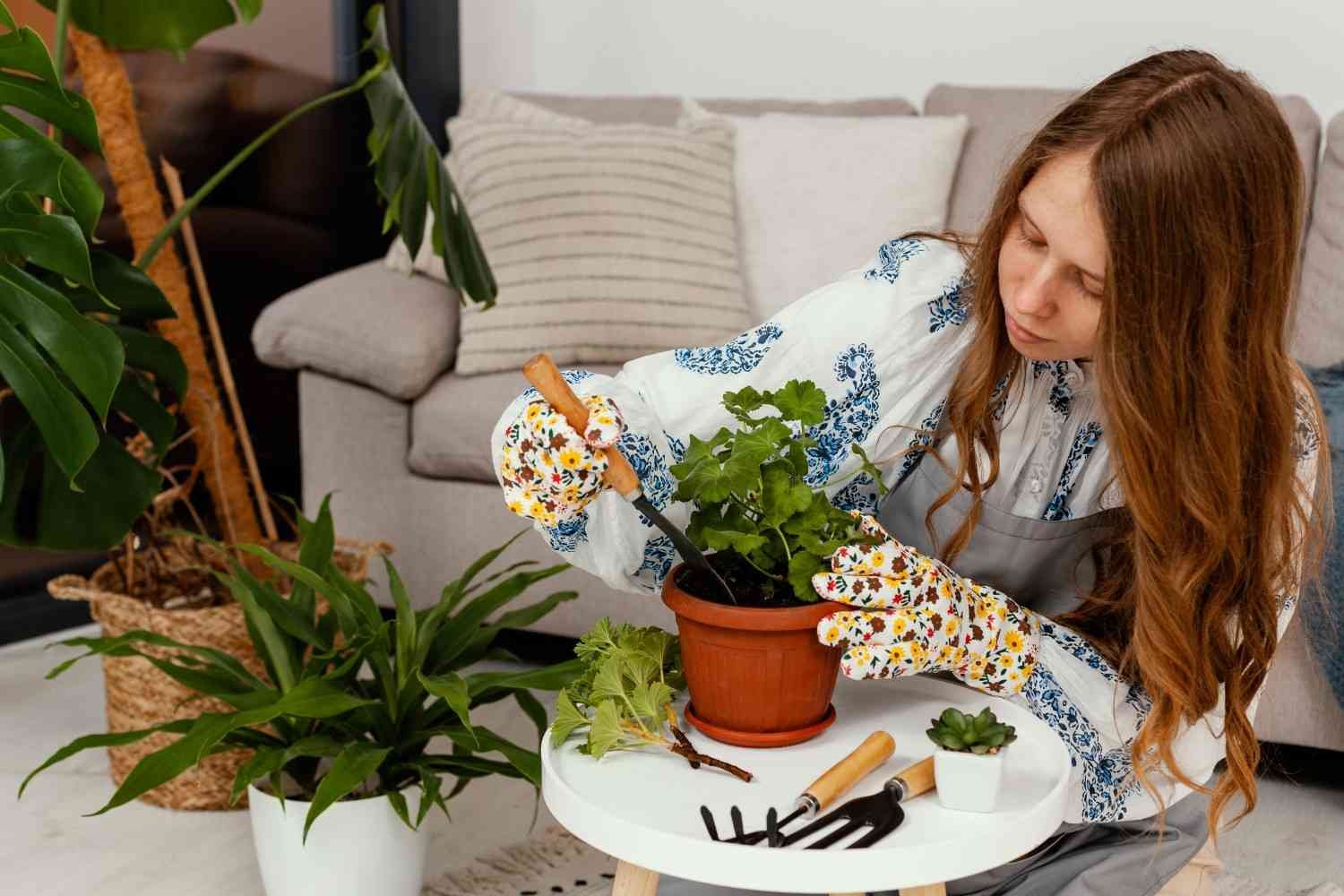
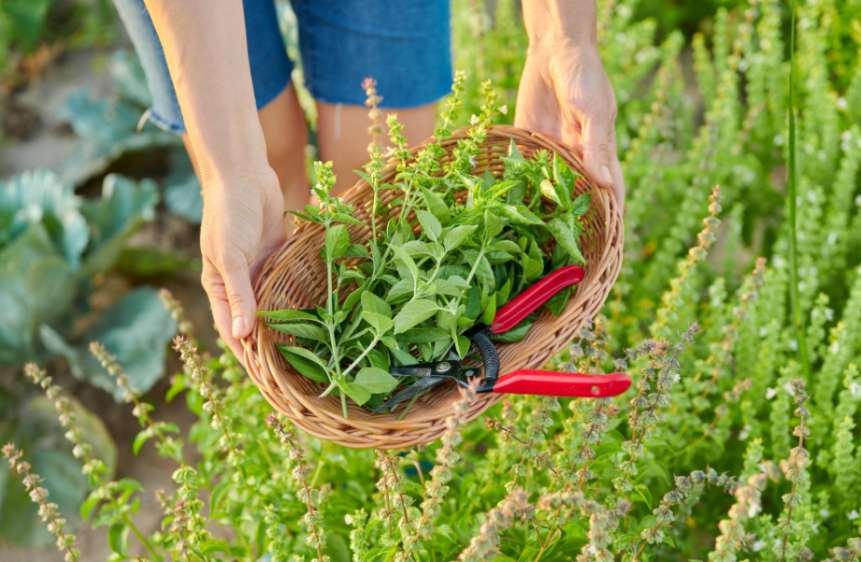
Herbs growing under strong lights may need light winter feeding because frequent harvesting removes leaves and nutrients. Basil, parsley, mint, and other indoor herbs can continue growing when they receive adequate warmth and light.
If an herb has slowed down, become leggy, or stopped producing leaves, I improve the lighting before adding fertilizer.
Indoor Citrus Plants
Indoor citrus trees may continue growing in bright conditions, particularly in sunrooms, heated greenhouses, or under grow lights. These plants may require a diluted citrus fertilizer if they remain active.
Citrus plants also need specific micronutrients, so I choose a fertilizer formulated for citrus rather than relying only on a general houseplant product.
Actively Growing Tropical Plants
Pothos, philodendrons, monsteras, peace lilies, and other tropical houseplants may continue growing in warm, bright homes. If I see healthy new leaves, I may provide a mild feeding.
If growth has stopped, I wait until late winter or spring before restarting a regular indoor plant fertilizing schedule.
When Should You Avoid Fertilizing Houseplants in Winter?
I avoid winter fertilizer when a plant has stopped growing, receives limited light, or remains in wet soil for long periods. I also skip feeding when the plant shows signs of pests, root rot, wilting, cold damage, or severe stress.
Recently repotted plants usually do not need immediate fertilizer because many commercial potting mixes already contain nutrients. Fresh roots can also be sensitive to excess salts.
I also avoid fertilizing plants that naturally enter a dormant or resting period. Some cacti, succulents, bulbs, and specialty plants require a seasonal break. Feeding them during dormancy can interfere with their natural cycle.
How Should You Fertilize Indoor Plants Safely in Winter?
When a plant clearly remains active, I use a cautious approach. I choose a balanced liquid houseplant fertilizer or a plant-specific formula and dilute it more than I would during spring or summer.
I always apply fertilizer to slightly moist soil. Fertilizing completely dry soil can expose roots to a concentrated dose and increase the chance of fertilizer burn.
I also reduce frequency. A plant that receives fertilizer every two weeks in summer may need feeding only once every four to eight weeks during winter, if it needs fertilizer at all.
The product label should remain the primary guide. More fertilizer does not produce faster or healthier growth. It often creates salt buildup and damaged roots.
What Are the Signs of Overfertilizing Indoor Plants?
Fertilizer damage can look similar to watering or lighting problems. Common signs include brown leaf tips, dry leaf edges, yellowing leaves, wilting despite moist soil, slowed growth, and a white crust on the soil surface or pot rim. Tiny black flies in houseplant soil after watering may also appear when consistently damp soil creates favorable conditions for fungus gnats.
If I suspect overfertilization, I stop feeding immediately. I may flush the potting mix with clean water, provided the container has good drainage. Water should pass through the soil and drain freely from the bottom.
For severe buildup or damaged roots, repotting into fresh soil may become necessary. However, I avoid repotting a stressed plant unless the soil condition or root damage makes it unavoidable.
When Should You Start Fertilizing Houseplants Again?
Many houseplants begin growing more actively as daylight increases in late winter or early spring. Instead of choosing a fixed date, I wait for visible signs such as new leaves, fresh shoots, longer stems, or more frequent water use.
Once active growth returns, I restart fertilizer gradually. I may begin at half strength before moving toward the regular label recommendation.
This gradual approach reduces the risk of fertilizer burn and allows me to observe how the plant responds.
Does Winter Leaf Yellowing Mean a Plant Needs Fertilizer?
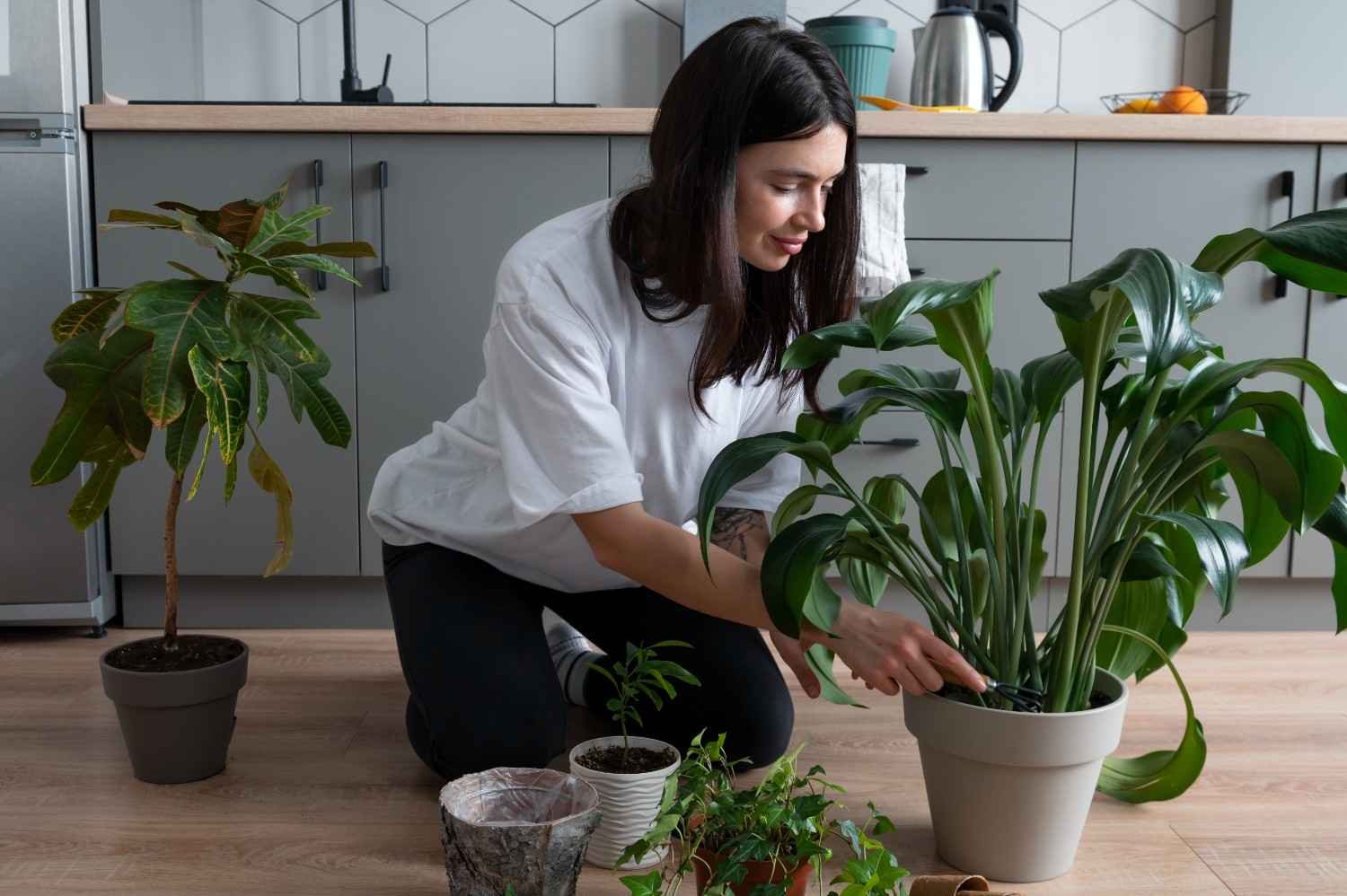
Not always. Yellow leaves can result from overwatering, poor drainage, low light, cold drafts, natural leaf aging, pests, or root problems.
Nutrient deficiency in plants is possible, but it should not be the first assumption. I check the soil moisture, root condition, light exposure, and pest activity before using fertilizer.
Feeding a plant with damaged or inactive roots will not correct the problem because those roots may be unable to absorb nutrients properly.
Frequently Asked Questions (FAQs)
1. Can I fertilize houseplants under grow lights in winter?
Yes, you can lightly fertilize houseplants under grow lights if they continue producing healthy new growth and using water normally. Reduce the strength and frequency compared with summer feeding.
2. Should I fertilize pothos in winter?
Fertilize pothos only when it continues growing in bright light. If growth has slowed or stopped, wait until brighter conditions return.
3. Should succulents be fertilized during winter?
Most succulents need little or no fertilizer during winter, especially when they enter a resting period. Follow the growth cycle of the specific succulent species.
4. How often should I fertilize indoor plants in winter?
Actively growing plants may need diluted fertilizer once every four to eight weeks. Dormant or inactive plants generally should not be fertilized.
5. Can fertilizer help a yellowing houseplant?
Fertilizer helps only when a genuine nutrient deficiency causes the yellowing. Check for overwatering, low light, pests, cold damage, and root problems first.
Let the Plant Decide, Not the Calendar
When deciding whether to feed indoor plants in winter, I pay attention to the plant rather than following a rigid seasonal rule. A healthy plant producing new growth under strong light may benefit from a small amount of diluted fertilizer. A plant resting in low light usually needs patience, careful watering, and protection from stress instead.
The best winter houseplant care often involves doing less. By watching growth, light, soil moisture, and overall health, I can provide nutrients only when the plant is ready to use them.